
Ring Mesh and Mesh Boning Aprons: The Perfect Combination for Tough Jobs
When it comes to purchasing chainmail for protection or display, it’s easy to feel overwhelmed by the wide variety of products available. Whether you’re a buyer looking for a reliable protective garment for an industrial job, a collector hunting down a rare piece, or a cosplayer searching for an accurate replica, the challenge is the same: how can you tell whether the chainmail is truly high-quality or if you’re being sold a cheap imitation?
One common frustration many buyers face is the inability to distinguish between high-quality, functional chainmail and lower-quality options that can break easily, corrode, or simply fail to meet safety standards. The fact is, if you don’t know what to look for, it’s easy to make a costly mistake. But don’t worrywhether you’re after tough, cut-resistant chainmail for industrial use, or a shiny, durable piece for cosplay or historical re-enactment, there are simple ways to ensure you get the best quality.
In this guide, I’m going to walk you through how to identify high-quality chainmail, avoiding common pitfalls that could lead to a disappointing purchase. Let’s dive into how you can inspect chainmail and assess its quality to ensure you’re getting the real deal.
Common Issues When Evaluating Chainmail Quality
When it comes to chainmail, buyers often face a few common problems. Below are the biggest pain points I’ve encountered when evaluating chainmail quality.
1. Welded Rings vs. Open Rings
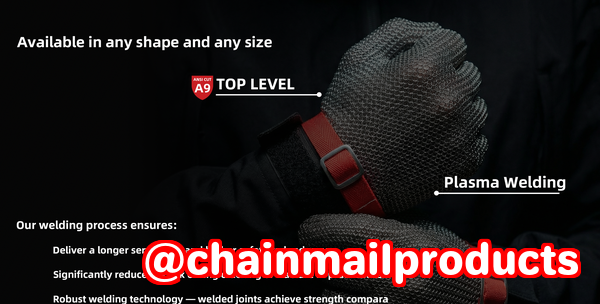
One of the most significant challenges when evaluating chainmail is distinguishing between welded and open rings. Open rings can be less durable because they are more likely to come undone or weaken with wear. Welded rings, on the other hand, are far more secure and reliable. If you’re buying chainmail for industrial use or protection, you’ll want to make sure you’re investing in welded rings for the best safety and durability.
2. Understanding Stainless Steel Grades
Not all stainless steel is created equal. The grade of steel used in chainmail can make a huge difference in its strength and corrosion resistance. The two most common grades you’ll encounter are 304 and 316 stainless steel. While both are durable, 316 stainless steel is more resistant to corrosion and is often the better choice for harsh environments, like food processing or marine industries.
3. Weak or Inconsistent Weaves
Another problem that can arise is weak or poorly woven chainmail. If the weave pattern isn’t tight or uniform, it compromises the strength of the entire piece. The European 4-in-1 weave is widely regarded as one of the strongest and most reliable patterns, but even within this style, you’ll want to inspect the consistency of the weave to ensure the chainmail is robust enough for its intended purpose.
Aegimesh Chainmail: Your Guide to High-Quality Chainmail
Aegimesh Chainmail offers a comprehensive solution to these issues. We’ve created a detailed inspection guide to help buyers, collectors, and professionals evaluate the true quality of chainmail products. Whether you’re looking to protect yourself in a hazardous work environment, add a piece to your historical collection, or wear something that will last throughout a long cosplay event, this guide has you covered.
Inspecting the Material
First things first: Always check the material. The quality of the steel directly impacts the durability of the chainmail. If you want your chainmail to stand the test of time, look for 304 or 316 stainless steel. 316 steel is especially beneficial for those needing corrosion resistance in tougher environments, such as food handling or industrial uses.
Here’s how you can quickly check:
-
304 Stainless Steel is durable and resistant to corrosion, but it may not stand up to harsh environments as well as 316.
-
316 Stainless Steel is more resistant to saltwater corrosion and is ideal for environments where chainmail will be exposed to food, chemicals, or even outdoor conditions.
Inspecting the Ring Weld
Next, look at the rings. The welding process should be tight and smooth. A good way to verify if a ring is welded is by gently pressing or pulling it. A welded ring should stay intact and not open under pressure, while an open ring will be noticeably less secure. You should also inspect the wire thickness. A thicker wire will ensure the ring is sturdier, adding to the overall strength of the chainmail.
Evaluating the Weave
Chainmail is all about the pattern. The European 4-in-1 weave is a common pattern that’s both strong and flexible, making it an ideal choice for both protective gear and decorative pieces. When inspecting a piece, pay attention to the uniformity of the weaveeach ring should fit neatly into the pattern, with no loose ends or uneven spaces. Inconsistent weaves can indicate poor craftsmanship and reduced durability.
Performing a Simple Pull Test
One simple way to test the durability of your chainmail is to perform a gentle pull test. Hold a section of the chainmail and give it a slight tug. If it holds up under pressure, it’s a good sign that the material and the weave are up to par. If the rings begin to stretch or break, then you know it’s not built to last.
Signs of Corrosion or Poor Craftsmanship
Be on the lookout for any signs of rust or discoloration. Poor-quality stainless steel can corrode easily, especially when exposed to moisture or chemicals. In addition, poor craftsmanship, such as visible weld marks, irregular ring sizes, or uneven weaving, is a clear indicator that the chainmail won’t last long.
Practical Tips for Choosing the Right Chainmail
Choosing the right chainmail can be overwhelming, but these tips will help you make a confident decision:
-
For Industrial Use: Look for chainmail made of 316 stainless steel with welded rings and a European 4-in-1 weave. These are the ideal features for durability and cut resistance.
-
For Food Processing: Stainless steel with corrosion resistance is a must. Go for 316 steel and inspect for any signs of poor welding.
-
For Cosplay or Historical Replicas: Decorative chainmail doesn’t need to be as durable, but the weave should still be tight and the rings securely welded to avoid unravelling during wear.
-
For Collectibles: If you’re purchasing chainmail as part of a collection, focus on the craftsmanship and material used. Ensure it has historical accuracy and durable construction, especially if it’s a historical piece.
Why Proper Inspection Is Crucial
Proper inspection is critical for several reasons. First and foremost, it ensures that your purchase is safe and durable. Whether you’re purchasing chainmail for industrial protection, food processing, or cosplay, you want to avoid wasting money on a low-quality product that will break down or fail when you need it most.
Moreover, inspecting your chainmail gives you the knowledge to make an informed choice, ensuring that the product meets your specific needs and standards. By following these steps, you’re ensuring that your investment is worth it in the long run.
Conclusion
When buying chainmail, always remember to take the time to inspect it thoroughly. Focus on the material, the ring welds, and the weave pattern. These simple checks can help you avoid purchasing unsafe or low-quality products. I highly recommend following these steps to ensure that any chainmail purchase you make meets the necessary safety and durability standards.
If you’re looking for high-quality chainmail, look no further than Aegimesh. We provide the tools and guidance you need to make an informed purchase, whether for industrial use, food handling, cosplay, or collectibles.
Check out our detailed chainmail inspection guide here to ensure your next purchase is the real deal.
FAQ
How can I tell if a chainmail ring is welded or open?
Welded rings will appear seamless and smooth, while open rings will have a noticeable gap that may be visible even under close inspection.
Which stainless steel grade is best for long-lasting chainmail?
For long-lasting chainmail, 316 stainless steel is the best option as it provides superior corrosion resistance compared to 304 stainless steel.
How do I inspect the weave pattern for strength?
Look for tight, uniform weaves. The European 4-in-1 weave is considered one of the strongest and should be consistent throughout the piece.
What are the signs of low-quality or unsafe chainmail?
Signs include rust, inconsistent weave patterns, poorly welded rings, and weak or brittle rings that can snap under pressure.
Can decorative chainmail be used for protective purposes?
While decorative chainmail is often made with lighter materials, it can still provide some protection. However, it may not offer the same level of safety or durability as industrial-grade chainmail.
How do I choose the right chainmail for industrial vs cosplay use?
For industrial use, prioritize 316 stainless steel with welded rings and tight European 4-in-1 weaves. For cosplay, while you may not need the same level of durability, focus on craftsmanship and accuracy in the weave pattern.
Tags or Keywords
-
Chainmail quality
-
Welded rings
-
Stainless steel chainmail
-
Cut-resistant chainmail
-
Chainmail inspection
-
European 4-in-1 weave