
The Science Behind Ring Mesh and Its Role in Mesh Boning Aprons
When you’re looking to purchase a chainmail apron or protective gear, it can feel like a challenge to distinguish between high-quality, durable products and low-cost, low-performance imitations. Whether you’re in the industrial sector needing cut-resistant gear, a collector seeking an authentic piece, or a cosplayer aiming for both authenticity and safety, the quality of your chainmail is paramount. But how do you tell the difference between a piece that will hold up under pressure and one that’s just for show?
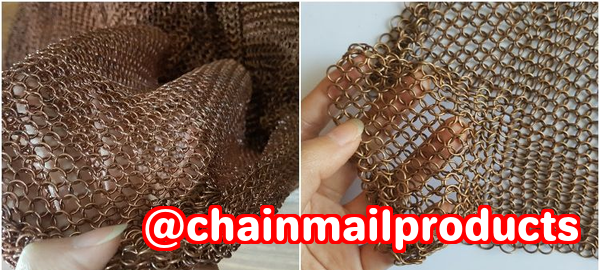
As someone who’s spent years working with chainmail, I know how overwhelming it can be to make the right choice. The good news is that with a few simple inspection methods, you can become a pro at evaluating chainmail quality. In this article, I’ll walk you through how to examine the most critical aspects of chainmail, such as the material, welding, ring diameter, and weave patterns. These factors will help you make an informed decision, whether you’re buying for industrial, cosplay, or display purposes.
The Common Pitfalls: What Makes Chainmail Hard to Evaluate?
Let’s start by addressing a few pain points that often trip people up when evaluating chainmail. I’ve seen it countless times, whether through customer inquiries or personal experience, and these are the biggest hurdles:
-
Distinguishing Between Welded and Open Rings
A common issue for buyers is knowing whether the rings in their chainmail are welded or simply open. Open rings can separate over time, especially with heavy use, which weakens the structure. Meanwhile, welded rings offer much more durability and safety, particularly in high-stress environments like industrial applications or food handling.
-
Choosing the Right Stainless Steel
When it comes to stainless steel, not all grades are created equal. The most common are 304 and 316 stainless steel, and they each have their own strengths and weaknesses. Knowing the difference can make or break the longevity of your chainmail. If you’re buying for industrial use, for example, corrosion resistance should be a key factor, and 316 stainless steel is far superior in this regard.
-
Weave Patterns and Durability
While chainmail might look simple at first glance, the pattern in which the rings are woven can dramatically affect its strength. The European 4-in-1 weave is a widely trusted pattern, and for good reason. Understanding the weave is essential for assessing how well the chainmail will hold up to wear and tear.
How to Inspect Chainmail for Quality: Step-by-Step Guide
With these challenges in mind, here are the steps I recommend you take when evaluating the quality of any chainmail product, whether it’s for industrial use, cosplay, or a collector’s piece.
1. Check the Material: 304 vs. 316 Stainless Steel
The first thing I look for when inspecting chainmail is the material. Stainless steel is the most common material used, but not all stainless steel is created equal. You’ll often find two main grades of stainless steel used in chainmail: 304 and 316.
-
304 Stainless Steel is more common and less expensive, but it’s less resistant to corrosion than 316. It’s generally fine for most purposes but might not hold up as well in food processing or outdoor environments where rusting is a concern.
-
316 Stainless Steel, on the other hand, is highly resistant to corrosion and is often used in marine environments. This makes it an excellent choice for industrial or food handling applications, where you need your chainmail to withstand exposure to moisture and chemicals.
Tip: If you’re unsure about the material, ask the seller directly or check the product’s description for details about the steel grade.
2. Inspect the Ring Welding: Is It Welded or Open?
The next thing to look for is whether the rings are welded or simply open. I can’t stress enough how important this is for durability. Open rings are weaker and can become undone over time, especially when the chainmail is under stress. On the other hand, welded rings are far more durable and safe for high-risk environments.
To check this:
-
Look closely at the ringswelded rings will show a small seam where the two ends of the ring are fused together.
-
Gently tug on a few rings. If they bend or separate, then they’re likely open rings, which are not ideal for industrial or safety-related purposes.
3. Wire Thickness and Ring Diameter
Once you’ve established that the material and welding are up to standard, the next step is to evaluate the wire thickness and ring diameter. These two factors will greatly influence the strength of the chainmail.
-
Wire Thickness: Thicker wire typically means more durability. However, if the wire is too thick, it can become rigid and uncomfortable to wear, so it’s essential to find the right balance. For heavy-duty use, a wire thickness of around 0.8mm to 1.2mm is common.
-
Ring Diameter: The diameter of the rings impacts how tightly the rings fit together, which directly affects the weave’s strength. Generally, a smaller ring diameter provides a tighter, more resilient weave.
Tip: To check the thickness and diameter, use a caliper or ruler to measure a few random rings. If the measurements are inconsistent, the product is likely poorly made.
4. Evaluate the Weave Pattern
The weave pattern is where the true artistry and functionality of chainmail come into play. The European 4-in-1 weave is the standard for a reason: it’s incredibly durable and provides a good balance between flexibility and protection.
To test the quality of the weave:
-
Look for consistent ring placement. The rings should be evenly spaced and aligned.
-
Check that each ring is interwoven in the correct pattern without any loose or skipped rings.
-
Assess the overall density of the weavemore densely woven chainmail will offer better protection.
If you’re purchasing for cosplay or display purposes, a looser weave might be acceptable, but if you’re buying chainmail for industrial or food-handling use, you need to ensure that the weave is tight and sturdy.
Why Proper Chainmail Inspection Matters
At this point, you might be wondering, “Why go through all this trouble?” The truth is, chainmail that isn’t properly inspected can be a serious safety risk, especially if you’re buying it for industrial purposes or food handling. Poor-quality chainmail could fail under pressure, leaving you vulnerable to cuts or other injuries.
Beyond safety, inspecting the quality ensures that you’re getting the best value for your money. Purchasing low-quality chainmail means you’ll likely need to replace it sooner, which results in additional costs down the line. With proper inspection, you can avoid these headaches and ensure that your purchase will last.
Conclusion: How to Avoid the Pitfalls and Choose Quality Chainmail
In conclusion, choosing high-quality chainmail requires a bit of diligence, but it’s worth it for safety, durability, and long-term value. Start by verifying the material (304 vs 316 stainless steel), inspecting the welding, checking the wire thickness and ring diameter, and evaluating the weave pattern. By following these simple steps, you can be confident that your chainmail will perform as expected, whether you need it for industrial cut protection, cosplay, or historical reenactments.
I highly recommend following these steps to ensure any chainmail purchase meets safety and durability standards. Don’t cut corners when it comes to your safety or the longevity of your investment.
For more information on identifying high-quality chainmail products, check out our detailed inspection guide at Aegimesh Chainmail.
Frequently Asked Questions
-
How can I tell if a chainmail ring is welded or open?
Look for a visible seam in the ring. If the ring is welded, it will have a small fused area where the ends meet. Open rings will have visible gaps.
-
Which stainless steel grade is best for long-lasting chainmail?
For maximum corrosion resistance and durability, 316 stainless steel is ideal, especially for industrial or food handling purposes. 304 stainless steel is also good for general use but offers less corrosion resistance.
-
How do I inspect the weave pattern for strength?
Look for a consistent and tightly woven pattern, such as the European 4-in-1. Ensure the rings are evenly spaced and interwoven without gaps.
-
What are the signs of low-quality or unsafe chainmail?
Look for inconsistent welding, weak or open rings, irregular wire thickness, and a loose or uneven weave pattern. These issues can compromise safety and durability.
-
Can decorative chainmail be used for protective purposes?
Decorative chainmail is often made with lighter materials and looser weaves, which may not provide adequate protection. For protective use, always ensure the chainmail is made from durable materials with a strong, tight weave.
-
How do I choose the right chainmail for industrial vs cosplay use?
For industrial use, prioritize durable materials like 316 stainless steel, tight weaves, and welded rings. For cosplay, you can opt for lighter, less durable chainmail, but be sure it still meets safety standards for wearability.
Learn more about identifying high-quality chainmail products: Aegimesh Chainmail
Check out our detailed chainmail inspection guide today!