
How Stainless Steel Chainmail Protects You from Workplace Hazards
When you think about workplace hazards, the first thing that probably comes to mind is something like slips, trips, or falls. But for those of us who work in industries like food processing, metalworking, or even historical reenactment, there’s an often-overlooked dangercut hazards. Whether you’re handling sharp tools, slicing through meat, or even working with raw metals, cut-resistant gear is a must. And when it comes to cut protection, stainless steel chainmail is one of the most reliable options out there.
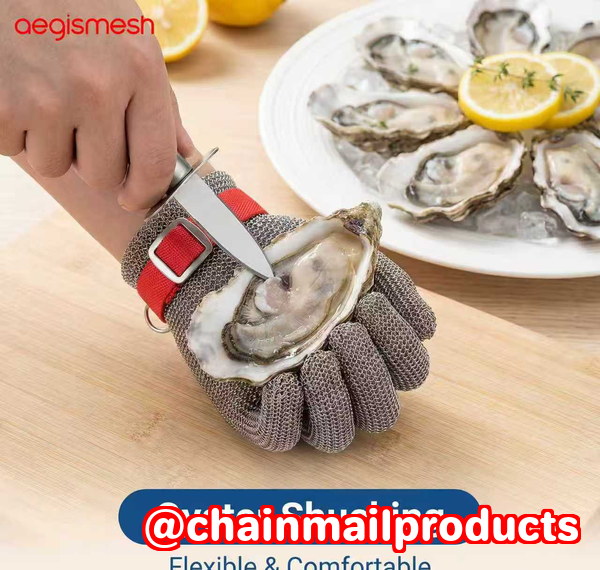
However, not all chainmail is created equal. In fact, distinguishing between high-quality, durable chainmail and flimsy imitations can be a real challenge. Have you ever found yourself looking at a piece of chainmailwhether for industrial use or cosplayand wondering if it’s the real deal? How can you be sure it will hold up when it really counts?
If you’re in this situation, you’re not alone. Many buyers face the same dilemma. Whether you’re sourcing chainmail for workplace protection, cosplay, or even as a collector’s item, the risk of purchasing low-quality or unsafe products is always present. But don’t worry! This guide will walk you through the key factors to look for when evaluating stainless steel chainmail and how to make an informed decision.
Common Pain Points When Buying Chainmail
1. Distinguishing Between Welded Rings and Open Rings
One of the most significant hurdles when evaluating chainmail is figuring out whether the rings are welded or open. Open rings are less durable and can break apart under stress, while welded rings provide superior strength and integrity. Without understanding this difference, you could easily buy a chainmail product that looks good but won’t offer the protection you need.
2. The Mystery of Stainless Steel Grades
Another challenge is understanding the differences between stainless steel grades. Chainmail can be made from various types of stainless steel, with the two most common being 304 and 316. The grade of stainless steel used plays a huge role in the chainmail’s durability, resistance to corrosion, and overall lifespan. But how do you know what’s best for your needs?
3. Weak or Inconsistent Weaves
The weave pattern of chainmail also plays a vital role in its overall strength. Some weaves, like the European 4-in-1, are designed for maximum durability, while others may be weaker or more decorative. Without a basic understanding of these patterns, you might end up with a product that’s not up to the task.
The Solution: Aegimesh Chainmail Inspection Guide
At Aegimesh, we’ve created a comprehensive guide to help buyers, collectors, and professionals evaluate chainmail products based on key indicators like ring type, material grade, wire thickness, and weave pattern. By following this guide, you can confidently choose high-quality chainmail that will stand the test of time. Here’s how to inspect chainmail like a pro:
1. Check the Material Type
The first thing you should do is verify the material. High-quality chainmail should be made from durable stainless steel. There are two common grades you’ll encounter:
-
304 Stainless Steel: This is the most widely used grade and is often sufficient for general use, including decorative purposes or cosplay. However, it’s not as resistant to corrosion as 316.
-
316 Stainless Steel: This is the top choice for industrial and food processing environments. It’s more resistant to corrosion, especially in harsh environments, and offers superior durability.
For food handling, industrial cut protection, and other critical uses, 316 stainless steel is usually the better choice.
2. Inspect the Ring Welding
Next, look at the rings. Are they welded shut, or are they simply bent? Welded rings are the hallmark of high-quality chainmail. These rings are fused together at the seam, which prevents them from coming apart, even under pressure. Open rings, on the other hand, can easily separate and compromise the strength of the entire chainmail.
To check if the rings are welded, you can simply inspect the seam. If it’s smooth and doesn’t show any gaps, the rings are likely welded.
3. Evaluate Wire Thickness and Inner Diameter
The thickness of the wire used in the rings also affects the strength of the chainmail. Thicker wire provides better protection, especially in industrial settings. Check the wire gauge to ensure it meets the necessary strength requirements for your specific use.
Additionally, the inner diameter of the rings matters. If the diameter is too large, the chainmail may lose its ability to stop cuts. A small, tight weave will provide better protection, so make sure the rings are tightly woven and not too loose.
4. Inspect the Weave Pattern
One of the most reliable indicators of strong, high-quality chainmail is the weave pattern. The European 4-in-1 weave is the most common and one of the strongest patterns, offering excellent protection against cuts and abrasions. This pattern means each ring passes through four others, providing a stable, interlocking structure that resists tearing or separating.
When inspecting the weave, check for consistency. Inconsistent or uneven weaves could signal poor craftsmanship and weak spots that may not provide adequate protection.
The Benefits of Proper Chainmail Inspection
Knowing how to properly inspect chainmail brings multiple benefits:
-
Safety Assurance: When you check the material and construction quality, you can ensure the chainmail you’re purchasing will hold up to its intended use. Whether for industrial or food-processing tasks, you’ll avoid buying unsafe products.
-
Durability: A quality piece of chainmail will last longer and offer better protection. Proper inspection means you’re investing in a product that will not only meet but exceed your needs.
-
Cost Savings: Identifying low-quality chainmail upfront can save you from wasting money on products that don’t perform as expected. In the long run, high-quality chainmail is more economical because it offers superior protection and longer lifespan.
Step-by-Step Chainmail Inspection Tips
-
Perform a Pull Test: Gently pull on individual rings to ensure they’re securely welded. If any of the rings feel loose or come apart, it’s a sign of low-quality construction.
-
Look for Corrosion: Stainless steel should resist rust and corrosion, but not all stainless steel is equal. Look for signs of discoloration, rust spots, or weak spots where corrosion might be taking hold.
-
Check the Weight: Good chainmail should feel substantial and sturdy. Lightweight chainmail may indicate thinner wire or poor quality.
-
Know Your Purpose: Make sure the chainmail suits your specific needs. For industrial use, you need something durable and cut-resistant, while decorative pieces for cosplay may be lighter and less robust.
Conclusion: Protect Yourself with Quality Chainmail
After following the steps in this guide, you should feel confident in your ability to evaluate and choose high-quality chainmail for any purpose, whether for industrial safety, cosplay, or as a collector’s item. I highly recommend taking the time to inspect chainmail before making a purchase. Don’t rely solely on looksmake sure it’s safe, durable, and built to last.
If you’re ready to dive deeper into chainmail inspection and find top-quality products, check out our detailed chainmail inspection guide here. Make informed decisions and keep yourself safe with the right chainmail!
FAQ
-
How can I tell if a chainmail ring is welded or open?
-
Inspect the ring seam. If it’s smooth and free from gaps, it’s welded. Open rings will have visible separations.
-
-
Which stainless steel grade is best for long-lasting chainmail?
-
For industrial and food processing uses, 316 stainless steel is ideal due to its superior corrosion resistance.
-
-
How do I inspect the weave pattern for strength?
-
Look for a consistent European 4-in-1 weave, where each ring is interlocked with four others, providing maximum strength.
-
-
What are the signs of low-quality or unsafe chainmail?
-
Inconsistent rings, weak welds, thin wire, or irregular weaves are signs of poor-quality chainmail.
-
-
Can decorative chainmail be used for protective purposes?
-
While decorative chainmail may look nice, it usually isn’t made from strong materials and shouldn’t be relied on for safety. Always choose chainmail designed for protection if you need it.
-
-
How do I choose the right chainmail for industrial vs cosplay use?
-
For industrial use, choose chainmail made from thicker, corrosion-resistant materials like 316 stainless steel with tight, durable weaves. For cosplay, you can opt for lighter chainmail made from 304 stainless steel for aesthetic purposes.
-
Tags/Keywords: chainmail quality, welded rings, stainless steel chainmail, cut-resistant chainmail, chainmail inspection, European 4-in-1 weave