
Exploring the Advantages of Ring Mesh in Mesh Boning Aprons
When you’re in the market for a high-quality mesh boning apron, one of the most crucial factors to consider is the material’s durability and protection level. Whether you’re working in a professional kitchen, handling sharp objects in industrial settings, or creating a cosplay piece, ensuring that your chainmail apron is up to the task is vital. But here’s the issue many of us face: How do you tell if a chainmail product is truly worth the investment, especially when it’s made of welded rings, stainless steel, or features a weave pattern like European 4-in-1?
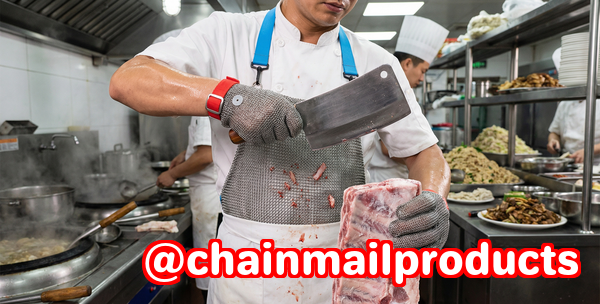
In this article, I’ll walk you through the key factors to consider when evaluating chainmail products for protection, durability, and style. We’ll focus on mesh boning aprons specifically, though these tips apply to all types of chainmail products. By the end of this post, you’ll feel confident in your ability to inspect and select the highest-quality chainmail for any usewhether it’s for cut resistance in an industrial kitchen or as part of a historical costume.
The Struggle: How Can I Identify Quality Chainmail?
When I first started working with chainmail for industrial and personal use, one of the biggest hurdles was distinguishing between high-quality, durable chainmail and low-quality, decorative imitations. Sure, all chainmail looks cool, but can it really protect me from cuts or be used in a professional kitchen?
Many buyers, myself included, often make the mistake of assuming that all chainmail is the same, but that couldn’t be further from the truth. After purchasing several aprons that seemed promising online, I quickly realized that the quality wasn’t as high as I had hoped. Some were too flimsy, others rusted quickly, and a few didn’t even provide the level of protection I needed for a fast-paced kitchen environment.
So how can you avoid falling into the same trap? Let me share some tried-and-true methods for evaluating chainmail and understanding what makes one product stand out from the rest.
Pain Points and Solutions: How to Evaluate Chainmail Quality
Evaluating chainmail isn’t as straightforward as it might seem. If you’re buying a mesh boning apron or any other chainmail product, there are a few common pitfalls to avoid:
-
Welded Rings vs. Open Rings
One of the first things you should look at when assessing chainmail is whether the rings are welded or open. Welding creates a much stronger bond, which means the rings are less likely to pull apart under stress. Open rings, on the other hand, are often cheaper and less durable. If you’re looking for protection or a durable piece, welded rings should always be a priority.
-
Stainless Steel Grade Matters
Not all stainless steel is created equal. The two most common grades you’ll encounter in high-quality chainmail are 304 and 316 stainless steel. While 304 steel is good for many applications, 316 steel is far more resistant to corrosion, making it ideal for food handling, outdoor use, or environments where moisture is present. If you’re going to invest in chainmail, make sure you’re getting the right grade for your needs.
-
Weave Patterns and Wire Thickness
The weave pattern and wire thickness of the chainmail significantly affect its strength and durability. For instance, the European 4-in-1 weave is one of the most commonly used patterns for strength and flexibility, as each ring is interlocked four times. A thicker wire also increases the durability and resistance to wear. Inspect the weave and ensure the wire is of an appropriate thickness for your intended use.
How Aegimesh Can Help You Choose the Right Chainmail
At Aegimesh, we’ve made it easier to identify high-quality chainmail through our guide and inspection tool. This tool helps buyers, collectors, and professionals evaluate the true quality of chainmail products by focusing on the following:
-
Material Type: Learn how to choose the best stainless steel grade for your application.
-
Welded Rings: Discover how to tell if the rings are welded or open and why it matters.
-
Wire Thickness: Find out how to assess wire thickness for maximum durability.
-
Ring Diameter: Learn how to inspect the inner diameter of rings to ensure a secure weave.
-
Weave Patterns: Understand why certain weave patterns, like the European 4-in-1, offer superior strength.
Our guide ensures that you can distinguish high-quality, safe chainmail from low-quality or decorative imitations, which can save you money and prevent potential safety risks. With the right knowledge, you can avoid purchasing chainmail that’s not up to standard, whether it’s for industrial use, food processing, cosplay, or historical reenactments.
Practical Tips for Inspecting Chainmail
To ensure you’re getting the best product for your needs, here are some practical tips for evaluating chainmail:
-
Pull Test: One simple way to test the strength of the chainmail is by gently pulling at the rings. If the rings feel loose or there’s any give, this could indicate that they’re poorly welded or made from inferior material.
-
Corrosion Check: Pay attention to any signs of corrosion or rust. Stainless steel is designed to resist corrosion, but lower-grade steel may start showing signs of wear over time.
-
Weave Check: Examine the weave closely. If it looks inconsistent or weak, the chainmail might not offer the durability and protection you’re looking for.
Choosing the Right Chainmail for Your Needs
Different uses require different qualities in chainmail. Here’s how to match the right type of chainmail to your needs:
-
Industrial Cut Protection: Look for chainmail with a European 4-in-1 weave, welded rings, and 316 stainless steel for the best cut resistance.
-
Food Processing: Again, 316 stainless steel is the best choice here, as it resists corrosion and is easy to clean.
-
Cosplay: If you’re making a historical or fantasy costume, you’ll likely want chainmail that looks authentic. You may be able to go with a lighter, decorative weave, but it’s still crucial to check the quality of the rings.
-
Historical Replicas: For historical replicas, accuracy is key. Ensure the weave pattern matches the historical example and that the materials and craftsmanship are of high quality.
Conclusion: Why Quality Chainmail is Worth the Investment
When it comes to purchasing chainmail, quality really does matter. Whether you’re using it for industrial protection, food safety, cosplay, or as a collectible, a well-made chainmail product can provide years of service, while a low-quality one can end up being a dangerous waste of money.
I highly recommend following the steps I’ve outlined above to inspect and evaluate chainmail before making a purchase. Trust me, the effort you put into choosing the right product will pay off in the long runwhether you’re keeping your team safe in a kitchen or showcasing your costume at a convention.
Learn more about identifying high-quality chainmail products: Aegimesh Chainmail
Check out our detailed chainmail inspection guide today!
FAQs
-
How can I tell if a chainmail ring is welded or open?
The easiest way to tell is by visually inspecting the rings. Welded rings have a smooth, continuous seam, while open rings may show a gap where the ends meet.
-
Which stainless steel grade is best for long-lasting chainmail?
For most applications, 316 stainless steel is the best choice, especially in environments where corrosion is a concern, such as food handling.
-
How do I inspect the weave pattern for strength?
A strong weave, like the European 4-in-1, involves each ring being woven through four others. Ensure the rings fit tightly and there’s no slack in the weave.
-
What are the signs of low-quality or unsafe chainmail?
Look for loose rings, poor welding, visible corrosion, or uneven weaving. These can compromise the protection and longevity of your chainmail.
-
Can decorative chainmail be used for protective purposes?
While decorative chainmail can be attractive, it may not offer the same level of protection as properly woven, industrial-grade chainmail. Always check the material and weave before using it for protection.
-
How do I choose the right chainmail for industrial vs cosplay use?
For industrial use, prioritize strength, welded rings, and corrosion resistance (316 stainless steel). For cosplay, focus on aesthetics and fit, though it’s still important to ensure the rings are well-constructed.
Tags or Keywords
chainmail quality, welded rings, stainless steel chainmail, cut-resistant chainmail, chainmail inspection, European 4-in-1 weave