
The Best Features of Cut-Resistant Stainless Steel Chainmail
When purchasing chainmail for protection, display, or cosplay, many people face a common dilemma: how can you be sure you’re buying a high-quality product that will serve its intended purpose? Whether you’re looking for industrial-grade cut protection, a durable food handling solution, or an eye-catching piece for your next cosplay project, it can be tough to distinguish between authentic, high-quality chainmail and low-quality imitations.
I’ve been in the market for chainmail for years, and over time, I’ve learned the hard way that not all chainmail is created equal. So, if you’re wondering how to evaluate the quality of a chainmail product, you’re in the right place. In this guide, I’ll walk you through the essential steps for inspecting and identifying the best chainmail features, from understanding the material to inspecting the weave pattern.
The Importance of Chainmail Quality
The main reason to focus on chainmail quality is safety and durability. For industrial or food processing applications, weak or poorly made chainmail could be unsafe, leading to accidents or even legal problems. For cosplay, decorative chainmail that falls apart on the first wear can be frustrating and costly. Whether you’re buying for a serious purpose or as a collectible, understanding how to assess quality will save you time, money, and headaches.
Let’s dive into the key features you should look for when evaluating chainmail products, and I’ll explain how Aegimesh Chainmail can help ensure that you’re getting the real deal.
Common Pitfalls When Evaluating Chainmail
Here are a few of the most common problems people face when buying chainmail:
-
Welded vs. Open Rings: Many low-quality chainmail products feature open rings instead of welded ones. Open rings can quickly fall apart under stress, leading to reduced protection or an unreliable aesthetic.
-
Confusion About Stainless Steel Grades: Not all stainless steel is created equal. Some chainmail is made with cheaper grades that rust or corrode easily. You need to know the difference between 304 and 316 stainless steel to ensure long-lasting durability.
-
Weak Weaves: Some manufacturers cut corners by using weaker weaves or inconsistent ring sizes. This can make the chainmail look good at first glance but leave you with an unreliable product that doesn’t hold up under pressure.
Aegimesh Chainmail: Your Go-To for High-Quality Products
Aegimesh Chainmail is the solution to these common chainmail issues. Our products are designed to meet the highest standards for safety, durability, and aesthetic appeal. Whether you need industrial-strength protection or just want a beautifully crafted cosplay piece, Aegimesh offers chainmail that stands the test of time. But how do you make sure you’re purchasing the right product? Here’s a step-by-step guide on how to evaluate the quality of any chainmail.
Step 1: Check the Material
The type of stainless steel used in chainmail makes a huge difference in its strength and longevity. You may be familiar with the two main types of stainless steel used in chainmail products: 304 and 316.
-
304 Stainless Steel: This is the most common grade and works well for decorative purposes and light-duty applications. However, it may be prone to corrosion in high-moisture environments or under heavy stress.
-
316 Stainless Steel: Known for its superior resistance to corrosion and strength, 316 stainless steel is ideal for industrial applications, food handling, and any situation where durability is key. It’s more expensive, but it’s worth the investment for long-lasting protection.
When inspecting chainmail, always check the product specifications to verify the stainless steel grade. Aegimesh only uses premium 316 stainless steel for products meant for industrial or heavy-duty use, ensuring reliability and resistance to corrosion.
Step 2: Inspect the Rings
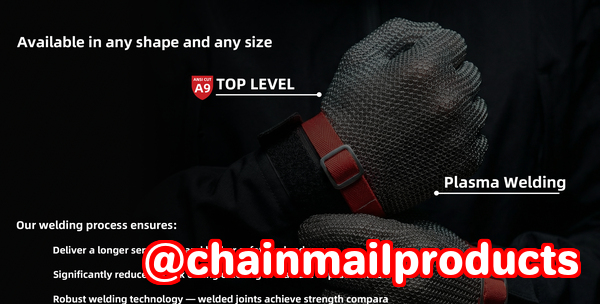
One of the most crucial aspects of chainmail quality is the way the rings are welded. Look closely to see if the rings are welded or open. Open rings are more common in cheap chainmail, and while they may look similar to welded rings, they will eventually fail under stress. A welded ring is far more secure and durable, ensuring the rings won’t come apart under pressure.
Here’s how to check:
-
Gently pull on a few rings to see if they open up or if they stay securely closed.
-
Examine the welding. A well-welded ring should have a smooth, continuous seam without any gaps.
When inspecting an Aegimesh product, you’ll find that all rings are securely welded, offering superior protection and longevity.
Step 3: Check the Wire Thickness
The thickness of the wire used in chainmail also impacts its durability. Thicker wire means stronger chainmail that can withstand more pressure and wear. On the other hand, thinner wire can cause the chainmail to weaken over time, making it unsuitable for high-risk tasks like industrial cut protection.
To assess wire thickness:
-
Compare the wire diameter to the intended use of the chainmail. For instance, industrial cut-resistant chainmail should have thicker wire than a decorative piece for cosplay.
-
Look for any signs of inconsistent wire thickness, which may indicate poor craftsmanship.
Aegimesh uses high-quality, consistently thick wire to ensure each piece of chainmail is durable and effective for its intended purpose.
Step 4: Inspect the Ring Diameter and Weave Pattern
The size of the rings and the weave pattern are crucial to the overall strength of the chainmail. Different weaves offer different benefits, with some patterns providing more durability and protection than others.
-
European 4-in-1 Weave: This is one of the most popular and strongest weave patterns. It’s used in industrial-grade chainmail for its excellent flexibility and durability. It also distributes stress evenly across the surface, which helps prevent the rings from breaking under force.
-
Other Weave Patterns: While European 4-in-1 is the most reliable, other weaves, like 6-in-1 or 8-in-1, are stronger but less flexible. These are often used for heavier protection but can be stiffer, making them less ideal for cosplay.
To inspect the weave pattern:
-
Check if the rings lie flat and are evenly spaced.
-
Run your fingers across the weave to feel for any uneven tension or loose rings.
Aegimesh Chainmail products are crafted with the European 4-in-1 weave for maximum strength and flexibility, ensuring you get a high-quality product every time.
Step 5: Perform a Simple Pull Test
A quick and easy way to test chainmail durability is to perform a pull test. Gently pull on a section of the chainmail and see if the rings stay intact. A good-quality product should resist pulling and remain intact under moderate pressure. If the rings start coming apart or the weave loosens, you may be dealing with low-quality chainmail.
Step 6: Look for Signs of Corrosion or Poor Craftsmanship
One of the biggest indicators of low-quality chainmail is corrosion. Rust is a sure sign that the stainless steel grade used is inferior, or that the chainmail wasn’t properly treated or maintained. Even the best-quality chainmail can develop rust if exposed to moisture or left untreated, but high-quality products like Aegimesh are made with materials resistant to rust and corrosion.
Check the following:
-
Look for any spots of rust or discoloration.
-
Ensure that the product has been properly treated for corrosion resistance.
Conclusion: Ensuring Quality and Safety in Your Chainmail Purchase
In conclusion, evaluating chainmail quality doesn’t have to be a daunting task. By focusing on key aspects such as material, weld quality, wire thickness, weave pattern, and corrosion resistance, you can easily distinguish between high-quality and low-quality products. I highly recommend following these steps to ensure any chainmail purchase meets safety and durability standards.
When it comes to choosing chainmail for any purpose, whether for industrial cut protection, cosplay, or collectibles, always look for products like Aegimesh Chainmail. Our products are crafted with premium materials and quality craftsmanship, ensuring you get the best value for your money.
Learn more about identifying high-quality chainmail products: https://www.aegimesh.com/
Check out our detailed chainmail inspection guide today!
Frequently Asked Questions (FAQ)
1. How can I tell if a chainmail ring is welded or open?
Check for a visible seam where the ring is welded. If the ring is open, you may be able to separate the ends with a slight tug. Welded rings won’t pull apart easily.
2. Which stainless steel grade is best for long-lasting chainmail?
For maximum durability and corrosion resistance, 316 stainless steel is the best choice. It’s ideal for industrial applications and food handling.
3. How do I inspect the weave pattern for strength?
Look for evenly spaced rings that are tightly woven together. A strong weave like the European 4-in-1 provides excellent flexibility and strength.
4. What are the signs of low-quality or unsafe chainmail?
Signs of poor-quality chainmail include rust, loose rings, inconsistent wire thickness, and weak welding.
5. Can decorative chainmail be used for protective purposes?
It depends on the material and construction. Decorative chainmail is typically made for aesthetic purposes and may not provide adequate protection for industrial or safety applications.
6. How do I choose the right chainmail for industrial vs cosplay use?
For industrial use, focus on strong materials like 316 stainless steel and secure weaves like European 4-in-1. For cosplay, aesthetics and comfort may be more important, so choose lighter materials and flexible designs.
Tags or Keywords:
chainmail quality, welded rings, stainless steel chainmail, cut-resistant chainmail, chain