
Mesh Boning Aprons with Ring Mesh Ideal for Harsh Environments
When purchasing chainmail, whether for industrial purposes, cosplay, or even a historical replica collection, it’s crucial to know how to identify high-quality pieces that will meet your needs. For those unfamiliar with the nuances of chainmail products, it can be challenging to differentiate between low-quality and durable, long-lasting pieces. If you’re not sure what to look for when evaluating a chainmail apron or protective gear, this guide will help you identify what matters most: material quality, durability, and craftsmanship.
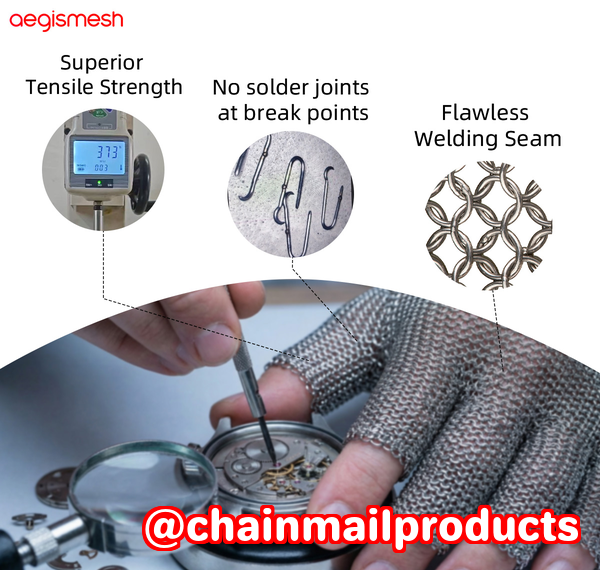
As someone who has spent years working with chainmail, I understand how easy it is to overlook key inspection points when evaluating products. But trust me, a little attention to detail can save you time, money, and frustration in the long run. In this post, I’ll walk you through the critical factors to look for when inspecting chainmail for qualityespecially for items like mesh boning aprons used in harsh environments.
Why Chainmail Quality Matters
Imagine you’re working in a food processing facility or industrial kitchen, where the risk of cuts is always present. You might think all chainmail aprons are the same, but not all of them are built to handle the intense, high-stress environments of industrial work. Similarly, cosplayers and collectors often spend a lot of time and money on decorative chainmail, only to find it doesn’t have the durability or authenticity they were hoping for. Whether it’s protection or display, knowing how to inspect chainmail quality ensures you’re getting exactly what you need.
When it comes to chainmail, there are several factors that determine whether a product is worth purchasing or not. These include the type of material used, the method of ring construction, wire thickness, and even the weave pattern. In this article, we’ll explore how to evaluate each of these factors and make an informed decision.
Common Pain Points in Evaluating Chainmail
Before diving into how to inspect chainmail quality, let’s first take a look at some of the common issues buyers face when evaluating chainmail products:
1. Welded vs Open Rings
A common issue is distinguishing between welded and open rings. Open rings are often used in cheaper chainmail products, and they tend to break or lose integrity faster. This is particularly dangerous in applications that require cut resistance, like industrial settings. If you’re looking for durability, welded rings should be your top choice.
2. Material Confusion: 304 vs 316 Stainless Steel
Not all stainless steel is created equal, and it’s crucial to understand the difference between the two most commonly used types: 304 and 316. While 304 is a general-purpose material, 316 offers superior corrosion resistance, especially in environments exposed to harsh chemicals, saltwater, or extreme temperatures.
3. Weak or Inconsistent Weaves
Another challenge is identifying weak or inconsistent weaves, which can compromise the strength of the chainmail. Inconsistent or poorly woven chainmail is more likely to break under pressure, making it unsuitable for protection. Whether it’s European 4-in-1, the most common weave pattern, or other patterns, each weave style should offer a specific level of durability and flexibility.
How to Evaluate Chainmail Quality
Let’s break down the steps you can take to evaluate the quality of chainmail products, ensuring you choose items that meet your needs.
1. Check the Material Type
The first step in evaluating chainmail quality is to determine the type of material used. The most commonly used metals for high-quality chainmail are stainless steel and aluminum. However, when it comes to industrial use or safety gear, stainless steel is the best choice.
304 Stainless Steel: This is the more basic, general-purpose stainless steel. It’s resistant to corrosion but may not stand up as well to extreme conditions such as exposure to chemicals or high humidity.
316 Stainless Steel: If you are purchasing chainmail for industrial or food handling purposes, 316 stainless steel is the better choice. It’s more resistant to corrosion, especially in environments where saltwater or harsh chemicals may be present.
2. Inspect the Ring Construction: Welded vs Open Rings
As mentioned earlier, welded rings offer far more strength and durability than open rings. To check if the rings are welded, simply give them a slight tug. Welded rings should hold tight and show no signs of separation. Open rings, on the other hand, might bend or separate under pressure.
3. Measure the Wire Thickness and Inner Diameter
Wire thickness plays a crucial role in chainmail’s overall strength. A thicker wire will generally provide more durability and resistance to cutting. The diameter of the rings also affects how tightly the chainmail is woven, contributing to its protection capabilities. The larger the diameter, the weaker the structure might become, particularly in environments requiring cut resistance.
To evaluate the wire thickness, you can use a simple micrometer or caliper to measure the diameter. Ensure the wire thickness is consistent throughout the entire piece of chainmail.
4. Inspect the Weave Pattern
The weave pattern is another important aspect to inspect. The most common and strongest weave is the European 4-in-1 weave, which is used for everything from protective gear to historical reenactment pieces. When inspecting the weave, check for consistency in the number of rings that interlock and ensure no rings are out of place or weak.
A good test to perform is a pull test: grab a section of the chainmail and gently pull. The rings should remain tightly interwoven and not shift or pop out. If you notice any gaps or loose rings, that could indicate a poor-quality product.
5. Look for Signs of Corrosion or Poor Craftsmanship
Even stainless steel can suffer from corrosion if the quality is poor. Inspect the surface of the chainmail closely, looking for rust spots or signs of pitting. This can be especially important for food handling or industrial uses, where even small imperfections can be problematic.
Pay attention to the overall craftsmanship as well. Poorly welded rings or uneven weaving will often show up during inspection. These imperfections compromise both the safety and aesthetics of the product.
Practical Tips for Chainmail Inspection
Now that you know what to look for, here are some practical tips to make sure you’re getting the best possible product:
-
Perform a pull test: Grab a section of the chainmail and tug gently. Welded rings should stay intact. If open rings come loose, that’s a sign of lower quality.
-
Check for consistency: A well-made piece of chainmail should have uniform wire thickness, consistent ring diameter, and tight weaves with no gaps or loose rings.
-
Use a magnifying glass: To spot small imperfections or signs of poor craftsmanship, a magnifying glass can help you spot even the tiniest flaws in the weave or welding.
Conclusion: How to Make an Informed Purchase
Evaluating chainmail quality is essential to ensuring you’re getting a product that will meet your needs and provide the protection or durability you’re seeking. Whether you’re using it for industrial cut protection, food handling, cosplay, or historical replicas, following these steps will help you avoid poor-quality products and make an informed decision.
I highly recommend following these inspection steps before making any purchase to ensure that you’re investing in high-quality, durable chainmail. Don’t compromise on safety or durabilitywhether you’re in an industrial setting or looking for a high-quality display piece.
Learn more about identifying high-quality chainmail products: Aegimesh Chainmail Guide
FAQ
How can I tell if a chainmail ring is welded or open?
Perform a simple pull test. Welded rings won’t separate under pressure, whereas open rings will bend or break.
Which stainless steel grade is best for long-lasting chainmail?
For industrial use or harsh environments, 316 stainless steel is ideal due to its superior corrosion resistance. For general purposes, 304 stainless steel can work.
How do I inspect the weave pattern for strength?
Check for consistent interlocking of rings and a uniform pattern, such as the European 4-in-1 weave. Perform a pull test to ensure no rings are loose.
What are the signs of low-quality or unsafe chainmail?
Signs include loose or inconsistent rings, poor welding, corrosion, and weak weaves that can’t handle pressure.
Can decorative chainmail be used for protective purposes?
Decorative chainmail may not offer the same level of durability or protection as industrial-grade chainmail. Be sure to check material and construction if you’re planning to use it for safety.
How do I choose the right chainmail for industrial vs cosplay use?
For industrial use, prioritize welded rings, thicker wire, and 316 stainless steel. For cosplay, you may prioritize aesthetics but still check for basic durability and consistent weave.
Tags
-
chainmail quality, welded rings, stainless steel chainmail, cut-resistant chainmail, chainmail inspection, European 4-in-1 weave