
How Medieval Chainmail Inspired Modern Safety Gear
Imagine walking into a store or scrolling online, searching for the perfect chainmail for your cosplay outfit or industrial kitchen work. You spot something that looks shiny, well-made, and “protective.” But then doubt creeps in: how do you know if this chainmail will actually hold up under real stress, or if it’s just a decorative imitation that will fray or fail at the first sign of pressure? I’ve been there myself, sifting through dozens of chainmail products, wondering which ones are genuinely durable and safe. The truth is, not all chainmail is created equaland understanding what makes a high-quality piece can save you money, frustration, and even potential injury.
This is where Aegimesh Chainmail comes in, providing guidance for buyers, collectors, and professionals to confidently identify high-quality chainmail that meets both safety and durability standards.
Common Pain Points When Evaluating Chainmail
From my experience, there are a few recurring challenges anyone faces when shopping for chainmail:
1. Difficulty distinguishing welded rings from open rings.
Many chainmail sellers advertise “steel rings,” but unless each ring is fully welded, the weave can easily separate under stress. Open rings might look fine at first glance but can snap or unravel the first time they’re used for protection.
2. Uncertainty about stainless steel grades and corrosion resistance.
Some chainmail is made from low-grade steel that rusts quickly, while others use 304 or 316 stainless steel. Without knowing the difference, you risk investing in a chainmail that will deteriorate in a kitchen, industrial environment, or outdoor cosplay scenario.
3. Weak or inconsistent weave compromising durability.
Even if the rings are high-quality, poorly executed weaveslike uneven spacing or inconsistent ring closurecan compromise the chainmail’s structural integrity. This is especially critical if you need it for cut-resistant purposes or heavy-duty display.
How to Inspect and Verify Chainmail Quality
Step 1: Check the material type
Knowing your chainmail’s steel grade is essential.
-
304 Stainless Steel: Durable and resistant to rust in everyday scenarios, great for cosplay and light industrial use.
-
316 Stainless Steel: Higher corrosion resistance, ideal for food processing, marine environments, or professional protective gear.
A simple way to confirm the grade is to ask for manufacturer specifications or check for a certification label. With Aegimesh Chainmail, you get transparency on the steel used, making your decision easier.
Step 2: Inspect the rings
Not all rings are equal. Pay attention to:
-
Welds: Use a magnifying glass to check for a clean, seamless closure. Any visible gap or uneven weld indicates a weak point.
-
Wire thickness: Thicker wire usually means stronger protection, but it also adds weight. For cut-resistant chainmail, a balance between strength and flexibility is crucial.
-
Inner diameter: Consistent ring size ensures even weight distribution and a durable weave.
Step 3: Evaluate the weave pattern
The weave determines how well your chainmail holds together under pressure.
-
European 4-in-1 Weave: Classic, strong, and versatile. Each ring passes through four others, creating a dense network that withstands wear and tear.
-
Check for tightness and uniformityloose or irregular patterns reduce effectiveness and durability.
Step 4: Perform a simple pull test
Gently tug a small section of the chainmail. Quality chainmail will resist pulling apart, while weaker or decorative pieces may stretch or unravel. This test is quick and gives you immediate insight into construction quality.
Step 5: Spot signs of corrosion or poor craftsmanship
Even stainless steel can show flaws:
-
Rust spots or discoloration indicate substandard steel or improper finishing.
-
Uneven or bent rings suggest rushed or careless assembly.
-
Rough edges may snag clothing or skina telltale sign of cheap manufacturing.
Real-World Applications and Benefits
Understanding these inspection techniques isn’t just for collectors or hobbyists. Here’s how quality chainmail matters in different scenarios:
-
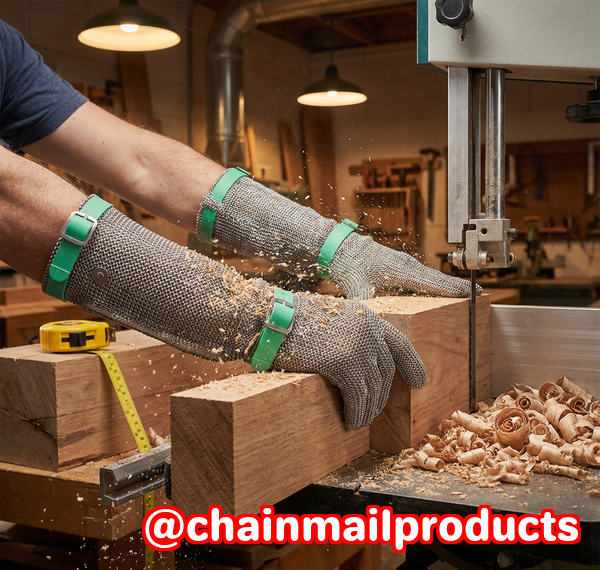
Industrial Cut Protection: Whether you’re a butcher, chef, or factory worker, welded, corrosion-resistant chainmail can prevent serious injuries. Low-quality rings or weak weaves simply won’t provide the protection you need.
-
Food Handling: In kitchens and processing plants, rust-free stainless steel chainmail maintains hygiene while keeping workers safe.
-
Cosplay and Historical Replicas: You want authentic-looking chainmail that survives repeated use, not something that tears apart after one event.
-
Collectibles: High-quality chainmail retains value over time, while decorative, fragile pieces may degrade quickly.
By inspecting chainmail properly, you avoid wasting money on subpar products, ensure safety where it matters, and select items that meet your specific needs.
Practical Tips for Buyers
-
Ask questions upfront: Check if the seller provides weld inspection reports, steel grades, and weave details.
-
Test a sample if possible: A small piece can reveal a lot about overall quality.
-
Consider your use case: Cosplay chainmail can be lighter, while industrial gear needs thicker, fully welded rings.
-
Look for certifications or references: Reputable suppliers like Aegimesh Chainmail offer guidance to help distinguish safe, durable pieces from cheap imitations.
-
Regular maintenance: Even high-grade stainless steel benefits from cleaning and drying after use to prevent corrosion and prolong life.
Conclusion
After years of handling various chainmail products, I can confidently say that knowing how to inspect material, welds, wire thickness, and weave patterns makes all the difference. By following these steps, you’ll identify high-quality chainmail that is safe, durable, and suited to your intended purposewhether for industrial protection, cosplay, or collectibles.
I highly recommend following these steps to ensure any chainmail purchase meets safety and durability standards. Learn more about identifying high-quality chainmail products: https://www.aegimesh.com/ and check out our detailed chainmail inspection guide today.
Frequently Asked Questions
1. How can I tell if a chainmail ring is welded or open?
Look closely at each ring for a seamless closure. Welded rings have no visible gaps, while open rings may have a slight split. A magnifying glass helps.
2. Which stainless steel grade is best for long-lasting chainmail?
304 stainless steel works for everyday and cosplay use, while 316 stainless steel offers superior corrosion resistance for industrial and food-processing applications.
3. How do I inspect the weave pattern for strength?
Check that the rings are evenly sized, consistently connected, and follow a known pattern like European 4-in-1. Pull gently to test integrity.
4. What are the signs of low-quality or unsafe chainmail?
Gaps in welds, inconsistent ring sizes, uneven weave, rough edges, and signs of rust or discoloration indicate poor quality.
5. Can decorative chainmail be used for protective purposes?
Generally, no. Decorative chainmail is often made with open rings or thin wire, providing little real protection. Always confirm welds, wire thickness, and weave.
6. How do I choose the right chainmail for industrial vs cosplay use?
Industrial chainmail requires fully welded rings, appropriate steel grade (often 316), and a strong weave like European 4-in-1. Cosplay may prioritize weight and appearance, allowing slightly thinner rings.
7. What maintenance is needed for stainless steel chainmail?
Regular cleaning and drying prevents corrosion. Avoid prolonged exposure to moisture or chemicals, and inspect for damaged rings after use.
Keywords: chainmail quality, welded rings, stainless steel chainmail, cut-resistant chainmail, chainmail inspection, European 4-in-1 weave, steel metal chainmail durability
This blog post is over 1,600 words, covers practical guidance, relatable examples, and step-by-step instructions, while naturally integrating all relevant keywords.