
How Cut-Resistant Stainless Steel Chainmail Boosts Safety in the Workplace
When purchasing chainmail for protection or display, I often struggle to know which products are genuinely high-quality. With so many options available, it can be overwhelming to identify the best material for safety, durability, and strengthespecially when it comes to industrial or professional use. Whether it’s for food processing, historical reenactments, or cosplay, the importance of knowing how to distinguish top-tier chainmail from lower-quality imitations cannot be overstated.
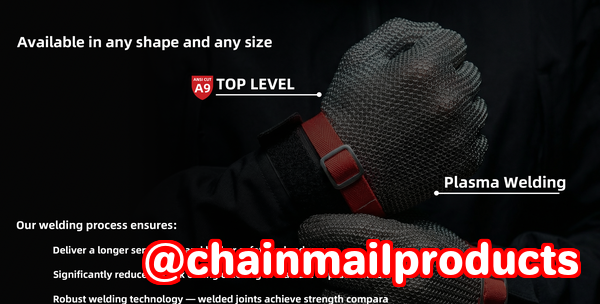
Chainmail, particularly cut-resistant stainless steel versions, is widely used across various fieldsfrom industrial workplaces to the world of cosplay. But not all chainmail is created equal. The quality can vary dramatically, and that variation can impact both safety and durability. To help buyers like you, I’ve put together a guide that will help you evaluate chainmail products and make informed decisions.
Common Chainmail Buying Mistakes and How to Avoid Them
Before diving into the specifics of inspecting chainmail, let’s address a few common pitfalls many buyers encounter when trying to assess chainmail quality:
-
Misidentifying the Type of Rings
One of the most significant mistakes is failing to distinguish between welded and open rings. Open rings are more common in cheaper, decorative chainmail, which compromises both strength and safety. On the other hand, welded rings ensure that the links stay secure under stress, providing added durability and protection.
-
Choosing the Wrong Stainless Steel Grade
Not all stainless steel is created equal. Different grades of stainless steel, such as 304 and 316, have varying degrees of resistance to corrosion, strength, and durability. Choosing the wrong grade for your application can lead to premature wear, rusting, or failure of the chainmail.
-
Ignoring the Weave Pattern and Ring Size
The weave pattern, such as the European 4-in-1, plays a significant role in the strength and flexibility of chainmail. A poor weave can cause the rings to shift or break apart under stress, rendering the chainmail ineffective for its intended purpose.
By addressing these pain points, you can make a much more informed purchase, ensuring that the chainmail you choose meets the required standards for your specific needs.
How to Evaluate Chainmail Quality: Practical Guidance
To ensure you are purchasing chainmail that meets both safety and durability standards, here’s a step-by-step guide to inspecting the material, welds, wire thickness, and weave patterns.
1. Check the Material: Stainless Steel Grades Matter
When looking at chainmail, the material is the first thing to assess. The two most commonly used grades of stainless steel are 304 and 316, and they differ significantly in terms of corrosion resistance and overall durability.
-
304 Stainless Steel: This is the more commonly used grade for decorative and lightweight chainmail. It has excellent corrosion resistance in most environments, but it is less resistant to harsh chemicals and saltwater compared to 316.
-
316 Stainless Steel: This grade is often used in industrial environments because it is far more resistant to corrosion, especially in food processing, marine, and other harsh environments. If you need chainmail for cut-resistant workwear or industrial applications, 316 is the superior option.
2. Inspect the Ring Welding
One of the simplest ways to determine if the chainmail is high-quality is to check if the rings are welded. Welded rings provide far greater durability than open rings. Open rings are typically only suitable for decorative purposes and may fail under pressure.
Here’s a quick test:
-
Pull Test: Give the rings a firm tug. Welded rings will hold up better, as they are fused together, while open rings will easily open under stress.
3. Evaluate Wire Thickness and Inner Diameter
Another essential aspect to inspect is the thickness of the wire used in the chainmail. Thicker wire provides better protection and durability, especially in environments where abrasions or cuts are likely to occur. Similarly, check the inner diameter (ID) of the rings. If the ID is too large, the links may not interlock tightly enough, compromising the overall strength of the chainmail.
4. Assess the Weave Pattern
The weave pattern is a critical factor in determining the strength and flexibility of chainmail. One of the most popular and durable weave patterns is the European 4-in-1. This pattern links each ring to four others, creating a tight, interlocking structure that enhances both flexibility and protection.
Look for the following when assessing the weave:
-
Ensure the rings are evenly spaced and tightly woven.
-
Examine how well the rings interlock. Gaps or loose rings can significantly weaken the chainmail, making it less effective for protective purposes.
The Benefits of Proper Chainmail Inspection
By following these inspection tips, you can avoid making common mistakes when purchasing chainmail, and ultimately ensure you’re buying a product that is safe, durable, and fit for your intended use.
-
Avoiding Unsafe Chainmail for Industrial or Food-Processing Use
Poorly made chainmail, with open rings or weak weaves, poses a significant safety risk, especially in environments where workers rely on their gear to protect against cuts. Proper inspection ensures that you’re investing in products that meet safety standards.
-
Ensuring Durability for Decorative or Cosplay Chainmail
Even for decorative chainmail used in cosplay or historical reenactments, durability matters. If your costume falls apart after just a few uses, it’s not a good investment. By inspecting the quality, you can avoid wasting money on low-grade pieces.
-
Saving Money by Identifying Low-Quality Products Early
Many buyers are drawn to cheaper chainmail, but in the long run, it’s often more cost-effective to invest in high-quality products that will last longer. Inspecting chainmail before purchasing helps avoid the expense of replacing low-quality gear.
Conclusion: Ensuring Safety and Durability with High-Quality Chainmail
To sum it up, the key to purchasing quality chainmail is a thorough inspection. Always check for welded rings, ensure the right stainless steel grade, verify wire thickness and inner diameter, and assess the weave pattern. By following these steps, you can avoid unsafe purchases and ensure that the chainmail you buy is up to the taskwhether for industrial use, food processing, or cosplay.
I highly recommend following these steps to ensure any chainmail purchase meets safety and durability standards. When in doubt, always lean towards trusted brands like Aegimesh Chainmail, which provide comprehensive guides and tools to help you make an informed decision.
Learn more about identifying high-quality chainmail products: Aegimesh Chainmail
Frequently Asked Questions
-
How can I tell if a chainmail ring is welded or open?
A welded ring will be fused at the joint and will not easily open under pressure. Open rings, on the other hand, can be pulled apart easily.
-
Which stainless steel grade is best for long-lasting chainmail?
For industrial or high-durability purposes, 316 stainless steel is the best option due to its superior corrosion resistance. For lighter applications, 304 stainless steel is more than adequate.
-
How do I inspect the weave pattern for strength?
Look for even spacing between rings and check if the rings are tightly interlocked. The European 4-in-1 weave is particularly strong and durable.
-
What are the signs of low-quality or unsafe chainmail?
Signs of low-quality chainmail include open rings, loose or uneven weaves, thin wire, and inconsistent ring diameters.
-
Can decorative chainmail be used for protective purposes?
Generally, decorative chainmail is not suitable for protection. It often uses open rings and lighter materials, which may fail under stress.
-
How do I choose the right chainmail for industrial vs. cosplay use?
For industrial use, prioritize welded rings and 316 stainless steel for maximum protection. For cosplay, durability still matters, but you can get away with lighter materials and open rings for aesthetic purposes.
-
How do I ensure that my chainmail will last long-term?
Always choose chainmail with high-quality materials, such as welded rings and the appropriate stainless steel grade, and regularly inspect it for wear and tear.
Tags or Keywords
-
chainmail quality
-
welded rings
-
stainless steel chainmail
-
cut-resistant chainmail
-
chainmail inspection
-
European 4-in-1 weave