
Cut-Resistant Stainless Steel Chainmail Perfect for Extreme Work Environments
When it comes to purchasing chainmail, especially for safety-critical environments like industrial work or food processing, the difference between low-quality and high-quality chainmail can be a matter of life and death. Whether you’re buying chainmail for yourself, for a team, or for a project, making the wrong choice could lead to injury or wasted investment. As someone who has spent time evaluating and using chainmail in various scenarios, I’ve learned firsthand that not all chainmail is created equal. It’s easy to feel overwhelmed by the wide variety of options available, but with a little knowledge, you can confidently choose the right one.
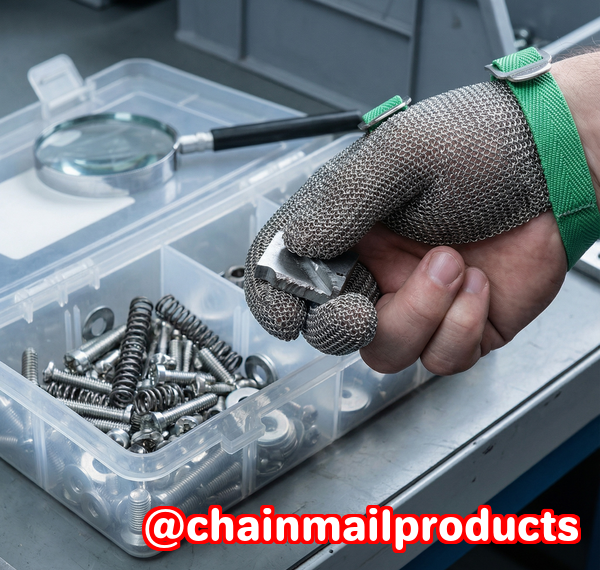
In this article, I’ll take you through a step-by-step guide on how to identify high-quality, durable, and safe chainmail, specifically focusing on Aegimesh Chainmail, a product that excels in extreme work environments. We’ll dive into the specifics of what to look for when inspecting chainmail, so you can avoid common mistakes and make an informed purchase.
The Problem: Why It’s Hard to Tell Good Chainmail From Bad
It’s not uncommon for buyers to face confusion when evaluating chainmail. The market is flooded with products that seem similar on the surface, but they can vary greatly in quality. Whether you’re a professional in need of reliable cut-resistant protection, a food worker who requires sanitary equipment, or a cosplayer trying to get the perfect costume, knowing how to distinguish genuine chainmail from cheap imitations is crucial.
Here are some pain points I’ve encountered:
-
Welded vs. Open Rings: One of the first things you’ll come across when inspecting chainmail is the ring type. Many low-quality chainmail products use open rings, which aren’t nearly as strong or durable as welded rings. Open rings can come apart easily, compromising the integrity of the chainmail.
-
Stainless Steel Grades: Another challenge is choosing the right stainless steel. Not all stainless steel is created equal, and the difference between a low-quality grade like 304 and a more durable one like 316 can make or break the product. Corrosion-resistant qualities are crucial, especially in industries like food processing.
-
Weave Inconsistencies: Not all weave patterns are the same. For instance, a European 4-in-1 weave is a hallmark of high-quality chainmail, providing excellent durability and protection. But not all manufacturers use this weave, and some may cut corners with a weaker pattern.
If any of these issues sound familiar, don’t worry. The good news is that with a little guidance, you can easily assess the quality of chainmail before making a purchase.
The Solution: How to Inspect and Verify Chainmail Quality
At Aegimesh, we’ve developed a comprehensive guide to help you determine the quality of any chainmail product. Our guide focuses on four key areas: the material used, the quality of the rings, the wire thickness, and the weave pattern. Let’s break these down so you can easily apply these tips when inspecting chainmail.
1. Material: Stainless Steel Grades (304 vs. 316)
The first step in evaluating chainmail is understanding the material. Stainless steel is widely used because of its strength, corrosion resistance, and durability. But not all stainless steel is created equal. When choosing chainmail, pay attention to the grade of stainless steel.
-
304 Stainless Steel: This is the most common grade of stainless steel. It’s highly resistant to rust and corrosion but is less ideal for extremely harsh environments.
-
316 Stainless Steel: This is the top-tier grade used in high-end chainmail products. It has superior corrosion resistance, especially against chlorides and other aggressive chemicals, making it the best choice for environments like food processing or marine work.
I recommend always looking for chainmail made from 316 stainless steel, especially if it’s going to be exposed to extreme conditions. If the product you’re eyeing doesn’t specify the grade, it’s a red flag.
2. Ring Type: Welded vs. Open Rings
One of the most noticeable differences in chainmail quality is the type of rings used. High-quality chainmail typically uses welded rings, while lower-quality products may use open rings.
-
Welded Rings: These are created by fusing the ends of the rings together with heat, making them incredibly strong and secure. Welded rings prevent the chainmail from coming apart over time.
-
Open Rings: These rings are simply bent into shape, leaving a gap. Over time, these gaps can widen, causing the chainmail to unravel and lose its protective qualities.
To check if a chainmail product uses welded rings, simply look closely at the ends of the rings. If you can see that they’ve been fused together, you’re dealing with a high-quality product.
3. Wire Thickness and Inner Diameter
The wire thickness and inner diameter of the rings play a crucial role in the durability and effectiveness of the chainmail. Thicker wire means stronger, more durable chainmail that can withstand wear and tear.
-
Wire Thickness: The thicker the wire, the more durable the chainmail. Aegimesh chainmail, for instance, uses wires of optimal thickness to balance weight and durability.
-
Inner Diameter: This is the internal measurement of the rings. A larger inner diameter can reduce the overall strength of the weave, so it’s essential to ensure that the rings are appropriately sized to ensure maximum strength.
Performing a simple pull test can help you gauge the strength of the rings. Grip the chainmail firmly and pull in different directions. If the rings start to bend or separate, it’s likely low-quality material.
4. Weave Pattern: European 4-in-1 Weave
The weave pattern is another critical factor that affects the overall durability and protection of the chainmail. The European 4-in-1 weave is one of the strongest and most widely used weave patterns. It consists of four rings interwoven through each ring in a tightly-knit pattern, creating a solid, flexible structure.
A weak or inconsistent weave can lead to gaps, which could be problematic in both protective and decorative uses.
Practical Tips for Inspection
Here are a few practical tips that can help you ensure your chainmail is of the highest quality:
-
Inspect the rings: Look for welded rings and avoid open rings, especially if you need the chainmail for protective purposes.
-
Perform a pull test: Apply a little force to see if the rings stay intact or if the weave starts to loosen.
-
Check for corrosion: Make sure the chainmail doesn’t show signs of rust or pitting, particularly if it’s made from 304 stainless steel.
-
Check the weave pattern: Ensure the weave is tight and consistent, especially if you need it for protective purposes.
-
Understand your use case: If you’re buying chainmail for cosplay, the weave and material may not need to be as durable as if you were buying it for industrial use.
Conclusion: Making Informed Choices
By following these steps, you’ll be able to confidently identify high-quality chainmail that meets safety and durability standards. Whether you’re purchasing chainmail for industrial use, food processing, cosplay, or historical reenactments, the quality of the product should always be your top priority.
I highly recommend following these inspection methods to ensure any chainmail purchase meets your needs, whether you’re looking for safety, durability, or aesthetic appeal.
Learn more about identifying high-quality chainmail products: https://www.aegimesh.com/
Check out our detailed chainmail inspection guide today.
FAQs
1. How can I tell if a chainmail ring is welded or open?
Check the ends of the rings. Welded rings will have fused ends, while open rings will have a visible gap.
2. Which stainless steel grade is best for long-lasting chainmail?
316 stainless steel is ideal for harsh environments due to its superior corrosion resistance. It’s the best option for food handling and industrial work.
3. How do I inspect the weave pattern for strength?
Look for a tight, consistent weave such as European 4-in-1. A weak or uneven weave pattern can compromise the chainmail’s strength.
4. What are the signs of low-quality or unsafe chainmail?
Signs include open rings, rust, inconsistent weave patterns, and weak or thin wire thickness. If the chainmail feels flimsy or bends under pressure, it’s low quality.
5. Can decorative chainmail be used for protective purposes?
While decorative chainmail can look great, it’s not always suitable for protection. It may not be made with welded rings or durable materials like 316 stainless steel.
6. How do I choose the right chainmail for industrial vs cosplay use?
For industrial use, prioritize strength, welded rings, and high-grade stainless steel. For cosplay, aesthetic appeal and comfort may be more important, but durability should still be considered.
Tags or Keywords
-
chainmail quality
-
welded rings
-
stainless steel chainmail
-
cut-resistant chainmail
-
chainmail inspection
-
European 4-in-1 weave