
Why Steel Metal Chainmail Demand Is Growing
When I first started looking into chainmail products, I had no idea how challenging it would be to determine which ones were genuinely high-quality. I remember standing in front of a display at a medieval fair, surrounded by dozens of chainmail shirts, gloves, and accessories. Some looked well-made, others seemed flimsy. But how could I tell the difference between a high-quality piece and a low-cost imitation? Unfortunately, I wasn’t the only one facing this dilemma. Buyers, collectors, and even industrial users often struggle with this issue.
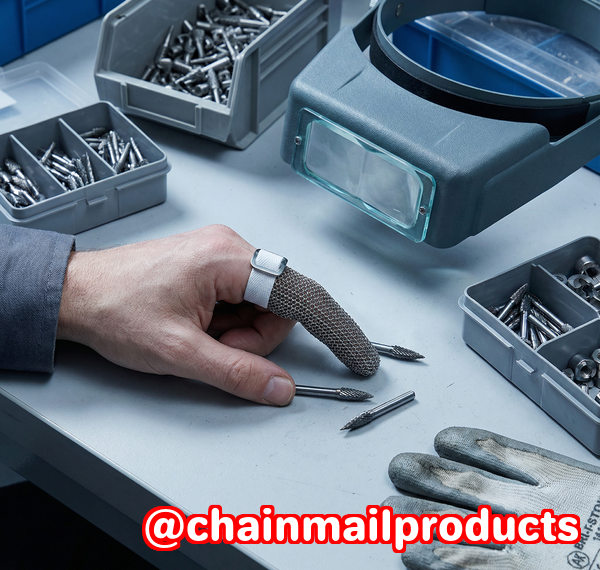
In recent years, the demand for high-quality steel chainmail has grown significantly, particularly in industries like food processing, construction, and historical reenactments. But despite its increasing popularity, distinguishing between top-notch chainmail and subpar products is still difficult. Whether you’re looking for cut-resistant gear for industrial work or a decorative piece for cosplay, it’s essential to understand how to inspect and evaluate chainmail quality. That’s where Aegimesh Chainmail can help.
Understanding the Importance of Chainmail Quality
Chainmail isn’t just a relic from medieval timestoday, it plays a critical role in various industries. From providing cut-resistant protection in food processing to adding historical authenticity to cosplay costumes, chainmail serves many purposes. But just because a product looks like chainmail doesn’t mean it will offer the level of protection or durability you expect. That’s why inspecting quality is crucial.
When you invest in chainmailwhether it’s for professional use, cosplay, or collectingyou want something that will stand the test of time and deliver on its promises. But how do you ensure you’re getting a durable, safe, and high-quality product? Let’s walk through the common pitfalls when purchasing chainmail and how to identify quality products like Aegimesh Chainmail.
Common Problems When Evaluating Chainmail
-
Welded Rings vs. Open Rings: How to Tell the Difference
One of the most common mistakes buyers make is confusing welded rings with open rings. Open rings, often used in lower-quality chainmail, are simply bent wire loops that can easily come apart. On the other hand, welded rings are permanently fused together, making them far more durable and secure.
-
Understanding Stainless Steel Grades
Not all stainless steel is created equal. For example, the two most common grades of stainless steel used in chainmail are 304 and 316. Grade 304 is a general-purpose steel that resists corrosion but may not be suitable for heavy-duty industrial environments. On the other hand, 316 steel is highly resistant to corrosion and ideal for more demanding uses.
-
Weak Weaves That Can Compromise Durability
Chainmail can be constructed in a variety of weave patterns, each offering different levels of strength and flexibility. A common pattern is the European 4-in-1 weave, known for its strength and durability. However, poorly executed or inconsistent weaves can lead to weak points in the chainmail, making it less effective at providing protection or resisting wear and tear.
How to Inspect Chainmail Quality
So, how do you make sure you’re getting high-quality chainmail that will meet your needs? Let’s break it down with a simple step-by-step guide for inspecting chainmail quality.
1. Check the Material Type (304 vs. 316 Stainless Steel)
Stainless steel is the material of choice for high-quality chainmail, but not all stainless steel is equal. If you’re looking for durability and resistance to corrosion, especially in industrial environments, you’ll want to go with 316 stainless steel. This grade is perfect for situations where the chainmail might be exposed to moisture or harsh chemicals. If corrosion resistance isn’t as critical, 304 stainless steel will do the job for decorative or lighter-use purposes.
2. Inspect the Rings: Welding vs. Open Rings
The next step is checking the rings themselves. To do this, simply look closely at the ring’s construction. If you see any signs of a weak, open seam, the chainmail is made with open rings, which can easily break apart. High-quality chainmail, like Aegimesh Chainmail, uses welded rings that are much stronger and more durable.
3. Measure Wire Thickness and Inner Diameter
The thickness of the wire used in the chainmail is another critical factor. A thicker wire means greater strength, which is essential for industrial or protective uses. To inspect the wire, use a micrometer to measure the thickness. Also, check the inner diameter of the rings, which affects the overall flexibility and strength of the weave. If the rings are too small or too large, the chainmail may not function as intended.
4. Evaluate the Weave Pattern
The weave pattern of the chainmail also impacts its strength and flexibility. The European 4-in-1 weave is one of the most popular and strongest weaves available. This pattern links four rings together in a way that offers excellent protection and durability. If the weave seems inconsistent or loosely connected, it could indicate poor craftsmanship and a lower-quality product.
5. Test the Chainmail
Once you’ve visually inspected the chainmail, it’s time for a practical test. Perform a simple pull test to see if the rings hold up under tension. If you notice any of the rings coming apart or weakening under pressure, the product may not be of sufficient quality for industrial or protective use.
The Benefits of Proper Chainmail Inspection
Taking the time to properly inspect chainmail products has several benefits. First and foremost, it helps ensure safety. Low-quality chainmail can be a hazard in environments like food processing, where cut-resistant gloves or sleeves are essential. Poorly constructed chainmail is also more likely to wear out faster, costing you more in the long run.
By identifying high-quality chainmail upfront, you save money by avoiding low-cost imitations that won’t stand the test of time. Whether you’re a cosplayer, collector, or professional user, knowing what to look for ensures you’re making an informed decision and getting the best value for your money.
Conclusion
After diving into the world of chainmail, I can confidently say that understanding how to evaluate chainmail quality is the key to making the right purchase. By checking the material, inspecting the rings, measuring the wire thickness, and evaluating the weave pattern, you can ensure you’re investing in durable, safe, and high-quality chainmail. I highly recommend following these inspection steps before making any chainmail purchase to guarantee you’re getting a product that meets your safety and durability standards.
If you’re still unsure about how to identify high-quality chainmail or need more information, Aegimesh Chainmail offers detailed guides and tools to help you make an informed decision. Learn more about identifying top-tier products and how they can protect you or enhance your collection by visiting Aegimesh’s website.
FAQs
1. How can I tell if a chainmail ring is welded or open?
Look closely at the ring’s seam. Welded rings will have a smooth, consistent finish, while open rings will often have visible gaps or weak seams.
2. Which stainless steel grade is best for long-lasting chainmail?
For long-lasting chainmail, particularly for industrial or outdoor use, 316 stainless steel is ideal due to its high resistance to corrosion.
3. How do I inspect the weave pattern for strength?
Examine the pattern closely. The European 4-in-1 weave is known for its strength and durability. If the rings seem loosely connected or inconsistent, it could indicate a weaker weave.
4. What are the signs of low-quality or unsafe chainmail?
Signs of low-quality chainmail include open rings, inconsistent weaves, thin wire, and a lack of corrosion resistance. If the chainmail seems flimsy or weak under pressure, it may not be safe for use.
5. Can decorative chainmail be used for protective purposes?
While decorative chainmail looks great, it may not be strong enough for protective uses like cut resistance. Make sure to choose chainmail that’s specifically designed for industrial or safety purposes if you need it for protection.
6. How do I choose the right chainmail for industrial vs. cosplay use?
For industrial use, prioritize chainmail made from durable materials like 316 stainless steel with welded rings. For cosplay, you can opt for lighter, more decorative chainmail, though it should still be well-constructed.
Tags/Keywords: chainmail quality, welded rings, stainless steel chainmail, cut-resistant chainmail, chainmail inspection, European 4-in-1 weave, chainmail durability
Explore Aegimesh Chainmail Software at: https://www.aegimesh.com/