
Why Ring Mesh is a Game-Changer for Mesh Boning Aprons in High-Risk Environments
When you work in high-risk environments like food processing, industrial settings, or even cosplay and historical reenactments, safety is a top priority. Whether you’re a butcher handling sharp knives, a collector in need of durable protective wear, or a cosplayer trying to mimic the strength of medieval armor, choosing the right chainmail can be a challenge. One of the biggest questions people often face is how to determine whether the chainmail they’re buying is truly up to the jobwhether that job is protecting from cuts, adding authenticity to a costume, or holding up in heavy-duty industrial environments.
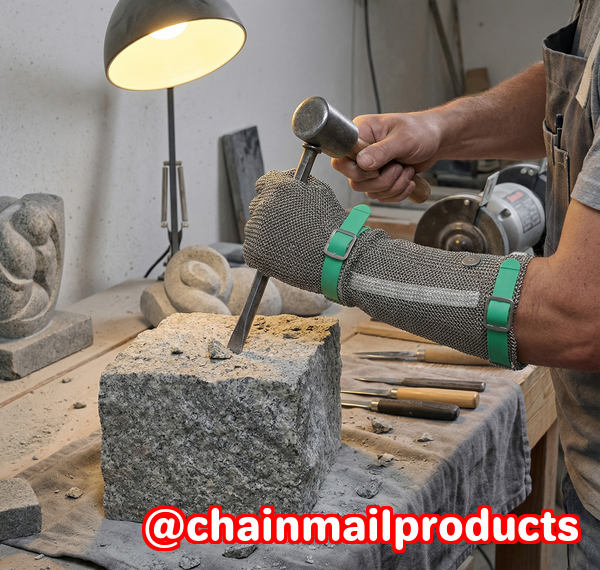
I’ve been there before: standing in front of racks of chainmail or scouring online stores, unsure which products are genuinely worth investing in. It’s easy to be lured by shiny, promising images, but when it comes to chainmail, looks can be deceiving. That’s why in this guide, I’ll show you how to spot high-quality chainmail and why ring mesh, in particular, can be a game-changer for your mesh boning aprons, especially in high-risk environments.
Common Issues When Evaluating Chainmail Quality
When you’re purchasing chainmail, whether for professional use or personal interest, the struggle to distinguish between quality products and low-quality ones can be frustrating. Here are some common pitfalls to look out for:
-
Welded vs. Open Rings: A huge difference exists between welded rings and open rings. Open rings are often cheaper but can fall apart easily, especially under pressure or heavy use.
-
Stainless Steel Grades: Not all stainless steel is created equal. Some products may use lower-grade steel, which isn’t as resistant to corrosion or wear.
-
Weak Weaves: Sometimes, manufacturers cut corners on the weaving process, resulting in fragile or inconsistent weaves that fail to protect you when you need it most.
Let’s explore how you can evaluate chainmail products properly so that you don’t fall into these traps.
Step-by-Step Guide to Evaluating Chainmail Quality
Here’s how I recommend you evaluate chainmail to ensure you’re getting a product that’s as tough as it looks. I’ll break it down into simple steps that you can follow, even if you’re not a materials expert.
1. Material: Stainless Steel 304 or 316?
The first thing you should check is the material the chainmail is made of. When it comes to chainmail, you want something that’s durable and resistant to corrosion, especially in high-risk or industrial environments.
-
304 Stainless Steel: This is a common material used in chainmail, but it’s generally best suited for decorative pieces or cosplay. It’s corrosion-resistant but might not be the most durable in environments that involve heavy wear and tear.
-
316 Stainless Steel: This is the higher-end choice and provides better protection against corrosion, especially in food processing and industrial environments. It’s more resistant to rust, making it ideal for places with high humidity or where moisture is a concern.
Always ask the supplier what type of stainless steel is used. If they can’t answer, you’re likely dealing with a lower-quality product.
2. Welded Rings vs. Open Rings
One of the most important things you’ll want to look for is whether the chainmail rings are welded or open. Welded rings are far stronger and more reliable than open rings because they don’t open up over time under stress.
-
Welded Rings: These are the gold standard for durability. They’re stronger, won’t come apart easily, and are perfect for high-risk environments where protection is essential.
-
Open Rings: While these can still be used for decorative purposes or lighter applications, they’re not suitable for industrial-grade safety or long-term use.
A quick visual inspection can often reveal the difference: welded rings will have a smooth seam where the two ends meet, while open rings might show signs of the gap where they were bent and closed.
3. Wire Thickness and Ring Diameter
Inspecting the wire thickness and ring diameter is another way to assess chainmail quality. If you’re looking for durability, thicker wires and smaller ring diameters will offer more protection.
-
Thicker Wire: Provides greater durability and cut resistance. It’ll last longer, especially under the strain of frequent use.
-
Ring Diameter: A smaller diameter generally increases the density of the weave, providing stronger protection. A larger diameter might look more authentic for historical pieces but can leave you more exposed in dangerous situations.
4. Weave Patterns European 4-in-1
The weave pattern of chainmail directly impacts its strength. The European 4-in-1 weave, where each ring is woven through four others, is one of the most commonly used and strongest weaves.
-
European 4-in-1: This is the most reliable pattern for both cut resistance and structural integrity. The rings interlock securely, providing a solid, uniform surface that enhances protection.
-
Other Weaves: Some manufacturers use alternative weaves for aesthetic reasons, but they might not offer the same durability or protection, especially in professional use cases like food processing or industrial environments.
When buying chainmail, ask about the weave pattern. A high-quality piece should feature a dense, consistent weave like European 4-in-1 for maximum strength.
5. Perform a Simple Pull Test
To test how well the chainmail holds up, try a simple pull test. Grab a section of the chainmail and apply force. If the rings come apart easily or the weave starts to loosen, that’s a red flag. High-quality chainmail should feel sturdy and hold together even when under tension.
Why Aegimesh Chainmail is Your Go-To Solution
Now that you know what to look for, let’s talk about why Aegimesh Chainmail is an excellent choice for anyone looking for high-quality chainmail products. Aegimesh has made it easier for buyers to assess chainmail quality with our guide and inspection tool, which breaks down the process into easy steps. Whether you’re a professional in need of cut-resistant chainmail for industrial use or a cosplayer looking for historical accuracy, Aegimesh helps you choose the best materials, ring types, and weave patterns to ensure durability and safety.
By using our inspection guide, you can avoid buying subpar products and instead invest in chainmail that’s built to last. Whether you’re handling food, dealing with dangerous machinery, or simply building a costume, Aegimesh offers peace of mind that your purchase is of the highest standard.
Conclusion: Ensure Your Chainmail Meets Safety and Durability Standards
In summary, if you’re buying chainmail for protection, whether it’s for industrial use, food handling, or cosplay, quality matters. Always inspect the material, welds, wire thickness, ring diameter, and weave pattern to ensure you’re getting a product that can stand the test of time. I highly recommend following these steps to avoid unsafe, low-quality chainmail that could compromise your safety or investment.
Learn more about identifying high-quality chainmail products: Aegimesh. Check out our detailed chainmail inspection guide today and make sure you’re getting the best protection available.
Frequently Asked Questions (FAQ)
-
How can I tell if a chainmail ring is welded or open?
A welded ring will have a smooth seam where the ends meet, while an open ring will have a visible gap where the ring was bent and closed.
-
Which stainless steel grade is best for long-lasting chainmail?
316 stainless steel is the best choice for industrial or food-handling applications because it’s more resistant to corrosion than 304 stainless steel.
-
How do I inspect the weave pattern for strength?
Look for a tight, consistent pattern like the European 4-in-1, where each ring is interwoven with four others. This weave provides excellent strength and durability.
-
What are the signs of low-quality or unsafe chainmail?
Look for weak or inconsistent welds, open rings, poor weave patterns, and signs of corrosion or rust.
-
Can decorative chainmail be used for protective purposes?
Decorative chainmail, especially with open rings or weak materials, should not be used for protective purposes in high-risk environments. It may not offer sufficient protection.
-
How do I choose the right chainmail for industrial vs cosplay use?
For industrial use, prioritize durable, cut-resistant chainmail made from welded 316 stainless steel. For cosplay, aesthetic quality and historical accuracy might take precedence, but you should still ensure the chainmail is durable enough for the intended use.
Tags or Keywords:
chainmail quality, welded rings, stainless steel chainmail, cut-resistant chainmail, chainmail inspection, European 4-in-1 weave