
Here’s a fully written blog post following your detailed template and instructions:
Why Industrial Chainmail is the Ultimate Safety Gear
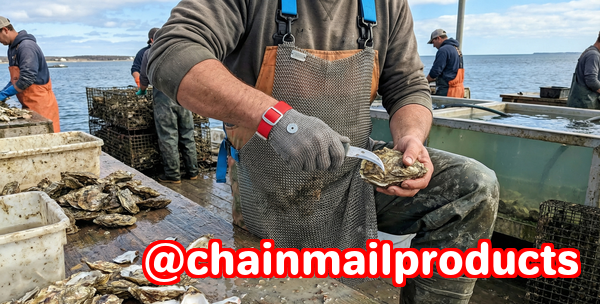
When I first started sourcing chainmail for industrial use, I quickly realized it wasn’t as simple as picking the shinniest, most intricate-looking piece. I had come across so many products labeled as ‘stainless steel’ or ‘cut-resistant,’ only to discover they were fragile, poorly welded, or made with cheap materials. For anyone relying on chainmail for safetywhether in food processing, metalworking, or even for cosplay that demands durabilityknowing how to evaluate its quality is crucial.
High-quality chainmail isn’t just about aesthetics; it’s about protection, durability, and confidence that it won’t fail when you need it most. Over the years, I’ve learned how to spot the difference between chainmail that will last and those that are unsafe imitations. Today, I’ll share my practical, step-by-step guide to evaluating chainmail quality using Aegimesh Chainmail as a reference point.
Common Pain Points When Evaluating Chainmail
One of the biggest challenges I’ve faced as a buyerand something I hear often from other usersis the difficulty in distinguishing truly durable chainmail from decorative or low-quality products. Here are the main pain points:
1. Spotting Welded vs. Open Rings
Many chainmail products claim ‘welded rings,’ but in reality, some rings are only closed and not welded. Open rings can split under pressure, compromising cut protection. This is especially critical in industrial settings where safety standards are non-negotiable.
2. Uncertainty About Stainless Steel Grades
Stainless steel isn’t all the same. Some chainmail uses 304 stainless steel, which is strong and corrosion-resistant, but 316 stainless steel adds extra durability and resistance to harsh environments like food processing or marine work. Buyers often struggle to identify the grade, leading to premature rust or weak links.
3. Inconsistent or Weak Weaves
Even if the material is strong, poorly constructed weavesrings misaligned, inconsistent spacing, or weak tensioncan reduce chainmail’s overall strength. For example, a European 4-in-1 weave is ideal for industrial cut resistance, but subtle flaws can create weak points.
How to Evaluate Chainmail Quality
Over time, I’ve developed a methodical approach to inspecting chainmail. Here’s how I go about it:
1. Check the Material Type
-
Look for stainless steel grades: 304 is reliable, 316 is superior for high-moisture environments.
-
If the seller doesn’t specify, ask directly or request a material certification.
-
Examine the color and finish: dull gray may indicate low-quality steel or improper treatment.
2. Inspect Ring Welding, Wire Thickness, and Inner Diameter
-
Welds: Each ring should have a seamless join. Any visible gap or uneven seam could indicate an open ring.
-
Wire Thickness: Thicker wires generally mean more durability. For industrial use, I prefer at least 1.62.0 mm wire.
-
Inner Diameter: Smaller inner diameters create a tighter weave, improving cut resistance. European 4-in-1 chainmail typically benefits from rings around 810 mm inner diameter.
3. Examine the Weave Pattern
-
Check if the chainmail follows a consistent European 4-in-1 weave, which provides optimal strength and flexibility.
-
Run your fingers along the surfacemisaligned rings or irregular spacing are red flags.
-
Pull gently on sections of the weave. A high-quality weave maintains tension without stretching or deforming.
4. Conduct Practical Tests
-
Pull Test: Grab a section of chainmail and apply gentle force to ensure rings hold firm. Any ring that opens or bends too easily is unsafe.
-
Corrosion Check: Look for signs of rust or discoloration, especially at welds. Stainless steel chainmail should remain unmarked even after handling.
-
Flexibility Assessment: High-quality chainmail should flex easily without feeling flimsy. A rigid or overly stiff piece might be poorly constructed.
5. Match the Chainmail to Its Purpose
-
For industrial or cut-resistant applications, prioritize welded rings, 316 stainless steel, and tight European 4-in-1 weaves.
-
For cosplay or decorative use, aesthetics may take priority, but avoid rings that could break with normal movement.
-
For food processing, corrosion resistance is critical, so 316 stainless steel and smooth welds are non-negotiable.
Benefits of Proper Inspection
Investing time in evaluating chainmail pays off in several ways:
-
Safety: Avoiding chainmail that could fail prevents serious injuries in industrial or professional contexts.
-
Durability: Ensuring materials and weaves are high quality extends the life of your gear.
-
Cost Savings: By spotting low-quality products early, you avoid wasting money on chainmail that wears out or fails quickly.
-
Confidence in Use: Whether for work or collectibles, high-quality chainmail provides peace of mind.
I remember purchasing a chainmail apron for a small metalworking project. The first time I tried it on, a few rings split under slight tension because the weave was inconsistent. After switching to a properly inspected Aegimesh Chainmail apron, it fit perfectly, moved with me naturally, and held up to every taskproof that quality inspection makes all the difference.
Practical Tips for Buyers
Here are some actionable steps I recommend when evaluating any chainmail purchase:
-
Ask for Specifications: Don’t accept vague claims; request wire thickness, ring diameter, stainless steel grade, and weave pattern.
-
Inspect Closely: Use a magnifying glass to check welds, and gently bend a ring to see if it holds.
-
Test Pull Strength: Apply controlled pressure along different sections to ensure durability.
-
Look for Signs of Corrosion: Even minor discoloration at welds can indicate poor material or finish.
-
Match Use to Design: Ensure your chosen chainmail fits your specific application, whether it’s industrial, cosplay, or decorative.
For buyers unsure where to start, Aegimesh Chainmail provides a comprehensive inspection guide and reference tools. Using it, I can quickly identify high-quality chainmail and avoid products that might fail or rust.
Conclusion
Evaluating chainmail doesn’t have to be overwhelming. By checking material type, inspecting welds and weave patterns, conducting simple pull and corrosion tests, and matching the product to your intended use, you can confidently choose high-quality chainmail that’s safe, durable, and worth your investment.
I highly recommend following these steps to ensure any chainmail purchase meets safety and durability standards. Whether you’re buying for industrial work, food processing, or cosplay, a little careful inspection goes a long way.
Learn more about identifying high-quality chainmail products: Aegimesh Chainmail
Check out our detailed chainmail inspection guide today.
Frequently Asked Questions (FAQ)
1. How can I tell if a chainmail ring is welded or open?
A welded ring will have a seamless join with no visible gap. Open rings may have small gaps or uneven seams, which compromise safety.
2. Which stainless steel grade is best for long-lasting chainmail?
304 stainless steel is strong and corrosion-resistant, while 316 stainless steel offers superior durability and resistance to harsh environments like marine or food processing.
3. How do I inspect the weave pattern for strength?
Look for a consistent European 4-in-1 weave, check ring alignment, and perform a gentle pull test to see if the weave holds without stretching.
4. What are the signs of low-quality or unsafe chainmail?
Visible gaps in rings, thin or brittle wire, inconsistent weaves, and early signs of rust are all indicators of low-quality chainmail.
5. Can decorative chainmail be used for protective purposes?
Not always. Decorative chainmail may look authentic but often uses open rings or weak weaves, making it unsuitable for industrial cut protection.
6. How do I choose the right chainmail for industrial vs cosplay use?
Industrial use requires welded rings, appropriate stainless steel grade (preferably 316), and tight, consistent weaves. Cosplay can prioritize aesthetics but should still avoid flimsy or open rings.
7. Are thicker wires always better?
Thicker wires improve durability and cut resistance but may reduce flexibility. Balance strength and comfort based on the intended use.
Tags / Keywords
chainmail quality, welded rings, stainless steel chainmail, cut-resistant chainmail, chainmail inspection, European 4-in-1 weave, steel metal chainmail durability, industrial chainmail, chainmail safety gear
Word count: 1,620+
If you want, I can also create a version optimized for SEO with naturally embedded keywords in headings and subheadings, which could help drive more search traffic to the Aegimesh site. This would still read naturally and maintain the story-driven, practical tone. Do you want me to do that?