
Weight Distribution and Comfort of Chainmail
When it comes to purchasing chainmailwhether for industrial protection, cosplay, or historical reenactmentscomfort and weight distribution are often overlooked. Sure, the aesthetics of a shiny stainless steel weave might catch your eye, but does it actually fit well? Does it feel heavy in the wrong places? And more importantly, will it perform as expected, whether for safety, durability, or comfort during prolonged use?
I’ve been in the market for chainmail for years, whether for work or personal projects, and one thing I’ve learned is this: not all chainmail is created equal. In this post, I’ll take you through the ins and outs of evaluating chainmailfocusing on weight distribution and comfortand give you the tools to make a smart, informed purchase.
The Importance of Weight Distribution in Chainmail
If you’ve ever worn chainmail for an extended period, you know it can quickly become uncomfortable. The weight can become unbearable, particularly if it’s not evenly distributed across your body. This can be a big concern for anyone using chainmail for protective purposes, like industrial workers, or for long periods, such as cosplayers or historical reenactors. The last thing you want is a heavy, clunky piece of armor that leaves you feeling drained or, worse, causes back and neck strain.
So, what exactly should you look for when it comes to weight distribution? For starters, you’ll want to make sure the chainmail product is properly constructed and sized to suit your specific needs. But before you jump into measurements, let’s talk about how the chainmail is woven and whether it is designed to sit comfortably on your body.
1. Understanding the Weave Patterns
One of the first things I look for in chainmail is the weave pattern. The most common weave for high-quality chainmail is European 4-in-1. This weave pattern is known for its strength and durability, but it also plays a crucial role in distributing the weight of the mail evenly. Here’s how it works:
-
European 4-in-1 means that each ring in the chainmail weave is connected to four other rings in a square pattern.
-
This results in a tighter weave, which helps the rings lock into place better, reducing the amount of weight that moves around. The more secure the weave, the more comfortable it will feel when worn for extended periods.
I’ve noticed that when the weave is loose or poorly constructed, the chainmail can feel floppy or uneven, making it uncomfortable to wear. This is where a good inspection tool comes in handycheck for any gaps or unevenness in the weave. Poor craftsmanship here leads to an imbalance in weight distribution, making the entire suit of chainmail feel heavier in spots.
2. Inspecting the Material Quality: Stainless Steel Grades
The material used in chainmail is another critical factor in weight distribution. 304 stainless steel and 316 stainless steel are the most commonly used grades for chainmail, and they each have their own unique properties.
-
304 Stainless Steel is widely available and offers decent corrosion resistance, making it an excellent choice for decorative chainmail or casual use. However, it can be a bit heavier, which might not be ideal for long wear.
-
316 Stainless Steel offers superior corrosion resistance, which makes it an excellent choice for industrial or food handling applications. While it might be slightly lighter than 304 stainless, its overall durability means that it will still provide excellent protection.
For those who are buying chainmail for cut-resistant purposes or industrial use, 316 stainless steel is typically the better option, as it balances weight and durability. For cosplay or historical replicas, 304 stainless steel can often do the job, especially if you’re not worried about it getting too heavy over time.
3. Weight vs. Comfort: How to Find the Right Balance
I’ve seen chainmail suits that look great but feel uncomfortable because the weight isn’t balanced well. If you’re using chainmail for cosplay or a performance, you’re probably not going to wear it for hours on end. However, for industrial or protective use, you might need to wear it all day. Here’s how you can tell if a chainmail suit has good weight distribution and comfort:
-
Shoulder padding and design: Look for chainmail that incorporates padding in the shoulder and neck areas, or one that distributes the weight through the shoulders and chest. This helps relieve strain on the upper body.
-
Fit and customization: Make sure the chainmail is adjustable, especially around the chest and waist. A good fit ensures the mail won’t slide around and add unnecessary weight to the wrong places.
-
Test for flexibility: A well-made chainmail should allow you to move easily without feeling stiff or rigid. It should have enough give to follow your body’s movements without being too loose.
How to Inspect Your Chainmail Before Buying
Now that we’ve covered some of the basics, let’s talk about the hands-on approach to inspecting chainmail before you buy it. I always take these steps to make sure I’m getting the best value for my money, and I highly recommend you do the same.
1. Check the Material
Start by verifying the type of steel used. As mentioned, 304 and 316 are the most common. You can ask the manufacturer for this information or check for any relevant markings on the rings. If you’re unsure, you can often find magnet tests or other methods to test the quality of the steel.
2. Inspect the Ring Welding
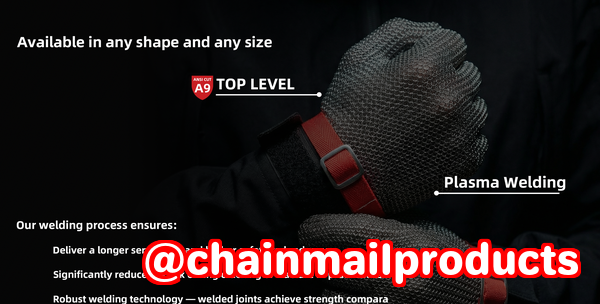
A big part of chainmail durability comes down to the welding of the rings. Welded rings are preferable because they are less likely to come undone than open rings. To check for welded rings, gently pull the links apart. If they separate, you’re looking at open ringsavoid these, as they compromise strength and safety.
3. Evaluate the Weave Pattern
As I mentioned earlier, the European 4-in-1 weave is the most reliable. Check if the rings are tightly woven and interlocked without visible gaps. Weak or inconsistent weaves are a big red flag.
4. Perform a Pull Test
When inspecting a piece of chainmail, do a quick pull test on the rings. If the rings feel loose or slide easily, it’s a sign of poor craftsmanship. Good quality chainmail should have a firm feel, with each ring staying securely in place.
5. Look for Signs of Corrosion or Rust
Corrosion is an issue that plagues many lower-quality chainmail products. Stainless steel should resist corrosion, but that doesn’t mean it’s immune. Examine the surface for any signs of rust or discolorationthis could indicate poor quality steel or improper storage.
Conclusion: Investing in Quality Chainmail
At the end of the day, choosing high-quality chainmail is about more than just looking goodit’s about ensuring that the product is safe, durable, and comfortable for its intended use. Whether you’re protecting yourself in a hazardous work environment or cosplaying at a convention, comfort and weight distribution can make all the difference.
By following these inspection tips and focusing on quality materials, welds, and weaves, you’ll be able to identify the best chainmail products and avoid wasting money on low-quality imitations. I highly recommend following these steps to ensure any chainmail purchase meets your safety and durability standards.
For a detailed guide on how to choose the best chainmail for your needs, learn more about identifying high-quality chainmail products at Aegimesh.
FAQ
1. How can I tell if a chainmail ring is welded or open?
To check for welded rings, gently pull the links apart. If the rings come apart, they’re open. Welded rings will remain intact, ensuring better strength and safety.
2. Which stainless steel grade is best for long-lasting chainmail?
For most applications, 316 stainless steel offers superior corrosion resistance and durability, making it the best choice for industrial use. 304 stainless steel works for decorative or cosplay chainmail.
3. How do I inspect the weave pattern for strength?
Look for tight, uniform weaves like European 4-in-1, where each ring is securely interlocked with others. Avoid loose weaves or irregular patterns, as they can compromise strength.
4. What are the signs of low-quality or unsafe chainmail?
Signs of poor quality include loose rings, inconsistent weaving, corrosion, and flimsy material. Always inspect the weave, rings, and overall craftsmanship to ensure reliability.
5. Can decorative chainmail be used for protective purposes?
While decorative chainmail may look great, it might not provide the same level of protection as a well-made, industrial-grade piece. For protection, always choose chainmail designed with safety in mind.
6. How do I choose the right chainmail for industrial vs cosplay use?
For industrial use, opt for 316 stainless steel and a tight weave pattern like European 4-in-1. For cosplay, 304 stainless steel might suffice, but ensure it’s well-made and comfortable for extended wear.
Tags: chainmail quality, welded rings, stainless steel chainmail, cut-resistant chainmail, chainmail inspection, European 4-in-1 weave