
The Weathering Resistance of Stainless Steel Chainmail
When I first started exploring chainmail, I was overwhelmed by the variety of options available in the market. Whether you’re looking for protective gear for industrial work, a costume piece for cosplay, or an authentic historical replica, chainmail is a unique and versatile product. However, one of the biggest challenges many buyers face is determining which chainmail products are truly high-quality and safe for use. The last thing you want is to spend money on a decorative piece of chainmail that won’t hold up to everyday wear or, worse, isn’t safe for its intended use.
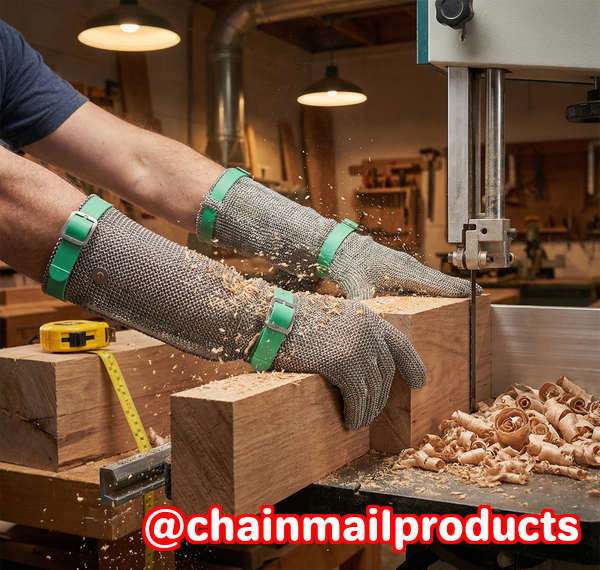
One major aspect of chainmail that often gets overlooked is the material’s ability to withstand weathering. Stainless steel, the most common material for chainmail, comes in different grades, each with its own set of properties that affect strength, durability, and resistance to corrosion. In this post, we’ll dive into how to evaluate the weathering resistance of stainless steel chainmail and ensure that you’re investing in a product that meets both your aesthetic and functional needs.
Understanding Stainless Steel Grades: 304 vs 316
Stainless steel chainmail is available in various grades, but two of the most common are 304 and 316 stainless steel. The key difference between the two lies in their composition and resistance to corrosion.
-
304 Stainless Steel: This is the most commonly used stainless steel for chainmail. It contains chromium and nickel, which give it good corrosion resistance. However, it’s more prone to rust in environments with high salt content, such as coastal areas, or where it’s exposed to harsh chemicals.
-
316 Stainless Steel: Often referred to as “marine grade” stainless steel, this alloy includes molybdenum, which significantly enhances its corrosion resistance. 316 stainless steel is ideal for environments where chainmail might be exposed to saltwater, extreme weather, or harsh chemicals. It’s often the preferred choice for high-quality, long-lasting chainmail.
When purchasing chainmail, it’s crucial to know which grade of stainless steel is used. While 304 might work for decorative purposes or indoor settings, 316 is the better choice for environments where weathering, rust, and corrosion are concerns.
Welding and Ring Quality: How to Spot the Difference
Another important factor when evaluating chainmail quality is the welding of the rings. High-quality chainmail will feature welded rings, which provide much greater durability than open rings.
-
Welded Rings: These rings are permanently joined by a small weld, ensuring they won’t easily pull apart under stress. Welded rings are essential for chainmail used in protective applications, such as industrial work or food processing. They can withstand much more wear and tear compared to open rings, which can be pulled apart more easily.
-
Open Rings: Open rings are typically found in lower-quality or decorative chainmail. While they might look the part, open rings are not as strong and may fail when put under stress. If you’re looking for chainmail that will protect you or serve a long-term purpose, make sure the rings are welded.
To check for welded rings, simply look for a small seam where the two ends of the ring meet. If there’s a visible gap, the rings are likely open, and you might want to look elsewhere for a more durable product.
Evaluating Wire Thickness and Ring Diameter
When inspecting chainmail, two other crucial aspects to consider are the wire thickness and the inner diameter of the rings. These factors can drastically affect both the strength and weight of the chainmail.
-
Wire Thickness: The thicker the wire, the stronger and more durable the chainmail will be. If you’re purchasing chainmail for industrial protection, like cut-resistant gloves or sleeves, you’ll want to look for thicker wires to ensure maximum protection. Thin wires may be fine for cosplay or historical replicas, but they won’t provide much resistance against cuts or impacts.
-
Ring Diameter: The diameter of the rings affects how closely the rings fit together. A smaller diameter typically means a tighter, more protective weave, which is ideal for industrial or protective chainmail. If the rings are too large, the weave will be looser, and the chainmail won’t provide as much protection.
A good rule of thumb is to look for chainmail with rings that have a diameter that’s roughly 3-4 times the thickness of the wire. This ensures a balanced, strong, and flexible weave.
Weave Patterns: European 4-in-1 for Strength
The weave pattern of a chainmail product plays a significant role in its overall strength and flexibility. One of the most common and strongest patterns used in high-quality chainmail is European 4-in-1. This weave is made up of four rings passing through a central ring, creating a strong, interlocking pattern.
European 4-in-1 weave is not only visually appealing but also highly functional. The interlocking rings create a strong barrier that resists cutting, tearing, and impact. It’s particularly useful in protective chainmail, such as for industrial or food processing applications, where durability is paramount.
Other weave patterns, like 4-in-2 or 6-in-1, may be suitable for decorative purposes but tend to be weaker and less flexible than 4-in-1. Always check the weave pattern to ensure you’re getting the level of strength you need.
Practical Tips for Inspecting Chainmail
Now that we’ve covered the key aspects of chainmail quality, here are a few practical tips for inspecting chainmail before making your purchase:
-
Perform a Pull Test: Give the rings a gentle pull to check for any movement or weakness. High-quality chainmail will be tightly woven, and the rings will not shift or pull apart easily.
-
Look for Signs of Corrosion: Inspect the chainmail closely for any signs of rust or discoloration. While a small amount of discoloration may be normal, rust or pitting is a red flag, especially in stainless steel products.
-
Check the Material: Ensure the material is clearly labeled as 304 or 316 stainless steel. If it’s not, ask the seller for clarification. If the seller doesn’t know, it may be a sign of low-quality chainmail.
-
Inspect the Rings: As mentioned earlier, make sure the rings are welded, not open. The rings should be smooth and free from any visible gaps or flaws.
-
Consider the Purpose: Be sure to select the right chainmail for your intended use. If it’s for protective gear, look for thicker wires, smaller ring diameters, and a strong weave pattern like European 4-in-1.
Conclusion: Invest in High-Quality Chainmail
The key to purchasing durable, safe, and high-quality chainmail lies in knowing what to look for. By following the steps outlined in this guide, you’ll be able to identify high-quality chainmail that will withstand wear and weathering, providing both protection and longevity.
I highly recommend following these steps to ensure any chainmail purchase meets safety and durability standards. Whether you’re buying for cosplay, historical replicas, or industrial use, investing in quality chainmail will save you money in the long run by avoiding low-quality products that won’t stand up to the test of time.
Learn more about identifying high-quality chainmail products: Aegimesh Chainmail Guide
Check out our detailed chainmail inspection guide today!
FAQ
1. How can I tell if a chainmail ring is welded or open?
Look closely at the ring. If the ends are fused together with no visible gap, it’s welded. If you can see a small gap, it’s likely an open ring.
2. Which stainless steel grade is best for long-lasting chainmail?
For maximum durability and weathering resistance, 316 stainless steel is the best option. It’s ideal for harsh environments or applications requiring high corrosion resistance.
3. How do I inspect the weave pattern for strength?
Look for the European 4-in-1 weave, which provides the strongest and most durable pattern. Weaves like 6-in-1 or 4-in-2 are weaker and more decorative.
4. What are the signs of low-quality or unsafe chainmail?
Signs of low-quality chainmail include open rings, thin wire, large ring diameters, rust, or inconsistent weaves. Always check the material and inspect the product carefully.
5. Can decorative chainmail be used for protective purposes?
While decorative chainmail may look good, it’s usually not suitable for protective uses due to weaker materials and weaves. For protection, always choose chainmail designed for industrial or safety purposes.
6. How do I choose the right chainmail for industrial vs cosplay use?
For industrial use, look for thicker wire, welded rings, and a tight, strong weave like European 4-in-1. For cosplay, you can opt for lighter, more flexible chainmail with a looser weave.