
The Top Benefits of Using Stainless Steel Chainmail in Safety Gear
When it comes to protective gear, chainmail has long been a trusted material for safeguarding against cuts and abrasions. Whether you’re in industrial settings, food processing, or even engaging in cosplay or historical reenactments, the quality of chainmail can make or break your safety and experience. However, many buyers struggle to distinguish high-quality chainmail from low-quality alternatives, putting themselves at risk. This blog will guide you through how to identify top-notch stainless steel chainmail for your needs, ensuring both durability and safety.
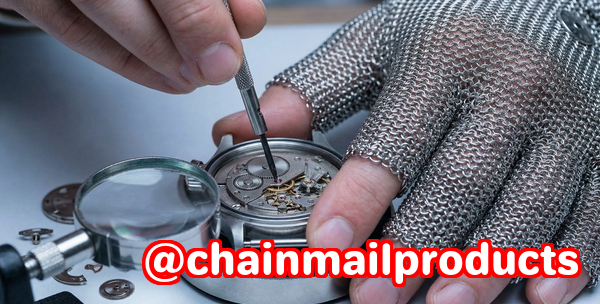
The Chainmail Dilemma: How to Know What’s High Quality?
If you’ve ever been in the market for chainmailwhether for work, protection, or even as a collectoryou might have felt overwhelmed by the sheer variety of products available. From food-processing gloves to cosplay armor, chainmail is used in many industries, and the price can vary dramatically from one product to another. But how can you be sure that the chainmail you purchase is of high quality?
Take a real-life scenario: you’re buying a new set of chainmail gloves for food prep. After reading a glowing review online, you order the gloves, excited to receive them. Upon arrival, you notice the rings seem flimsy, and the gloves feel lightweightperhaps too lightweight. When you inspect them more closely, you discover that the chainmail rings are open, not welded, and there are signs of corrosion. Your excitement quickly turns into concern, as you wonder if the product will protect you from sharp knives and food-related accidents.
This type of disappointment is more common than you think, and it often stems from a lack of knowledge on how to evaluate chainmail quality. In this blog, I’ll walk you through the key things to look for when inspecting chainmail to ensure you’re buying something that will last and offer real protection.
Pain Points of Evaluating Chainmail Quality
The world of chainmail can be tricky to navigate, especially when you’re unsure of what quality indicators to look for. Some of the most common challenges buyers face when evaluating chainmail include:
-
Distinguishing between welded and open rings
Not all chainmail rings are created equal. Open rings may look similar to welded rings, but they offer much less protection. Open rings can loosen over time, causing the weave to fall apart. This means they’re unsuitable for heavy-duty work or protective gear.
-
Uncertainty about stainless steel grades
Chainmail made from stainless steel is highly durable, but not all stainless steel is the same. 304 stainless steel is commonly used, but it’s not as resistant to corrosion as 316 stainless steel. Choosing the wrong grade could result in a chainmail product that doesn’t perform as well in harsh conditions.
-
Weak or inconsistent weaves
Chainmail is made by weaving metal rings together. A common weave pattern is European 4-in-1, which provides a good balance of flexibility and strength. However, not all chainmail weaves are created equal. Some weaves may be loose, which compromises the overall durability and protective qualities.
While these challenges are common, they are easy to overcome once you know what to look for. Aegimesh Chainmail offers a useful guide and inspection tool that can help you avoid the pitfalls of poor-quality products. Let’s dive into how you can evaluate your chainmail purchase for quality.
How to Inspect Chainmail Quality: A Step-by-Step Guide
Knowing how to inspect chainmail is your best defense against buying subpar products. Here’s how you can assess chainmail for quality:
1. Check the Material: Stainless Steel Grade Matters
One of the first things to look for when evaluating chainmail is the material used. Stainless steel is the most common and most durable option for chainmail, but there are different grades that offer varying levels of corrosion resistance.
-
304 Stainless Steel is the most affordable and widely used grade. It’s corrosion-resistant but not immune to rust in highly acidic or salty environments.
-
316 Stainless Steel is a more premium option, offering superior resistance to corrosion. It’s ideal for applications that expose the chainmail to moisture or chemicals, like in food processing or industrial settings.
When shopping for chainmail, look for clear information about the grade of steel used. If you’re unsure, reach out to the supplier or manufacturer for clarification.
2. Examine the Ring Welding
It’s essential to inspect the rings to ensure they’re welded, not open. Welding adds extra strength to the chainmail, making it far more durable and less likely to unravel over time.
To check if the rings are welded, look for a small visible seam where the ends of the ring meet. If the rings are not welded, the seam will often be rough, and you might even be able to pull the rings apart with minimal effort. This is a huge red flag for safety gear, especially in high-risk environments.
3. Measure the Wire Thickness and Ring Diameter
The thickness of the wire and the inner diameter of the rings affect the overall strength of the chainmail. Thicker wire generally results in stronger, more durable chainmail. Similarly, the size of the rings will affect the flexibility and effectiveness of the weave.
-
Wire thickness: Look for chainmail with a consistent wire thickness that’s appropriate for your intended use. For industrial protection, you’ll need thicker wire, while cosplay might allow for a more delicate weave.
-
Ring diameter: The inner diameter of the rings should be appropriate for the weave. European 4-in-1 weave typically works best with rings that are neither too large nor too small. Too small, and the weave will be stiff; too large, and the weave could compromise strength.
4. Inspect the Weave Pattern
The weave pattern is another important factor when evaluating chainmail. A common weave pattern used in high-quality chainmail is the European 4-in-1. In this weave, four rings interlock with a single ring at the center, creating a solid yet flexible mesh. This pattern is ideal for balancing strength and flexibility.
Check the pattern to ensure it’s tight and consistent. Inconsistent weaves can create weak spots that are prone to failure.
Benefits of Proper Chainmail Inspection
So, why does it matter if you take the time to properly inspect your chainmail? Here’s what’s at stake:
-
Avoid Unsafe Purchases: Proper inspection ensures you’re not investing in chainmail that could fail during use, leading to safety risks, especially in industrial or food-related environments.
-
Ensure Durability: High-quality chainmail lasts longer and withstands wear and tear, saving you money in the long run by reducing the need for replacements.
-
Make Informed Choices: Knowing how to inspect your chainmail means you’ll make better purchasing decisions, whether it’s for cosplay, industrial use, or historical reenactments.
-
Save Money: Recognizing low-quality products early helps you avoid wasting money on chainmail that doesn’t meet your needs.
Conclusion: How to Avoid Costly Mistakes
As you can see, inspecting chainmail is crucial to ensuring you make an informed purchase. By checking the material, welding, wire thickness, ring diameter, and weave pattern, you can easily identify high-quality products that will provide durability, protection, and peace of mind.
I highly recommend following these steps when purchasing chainmail. Whether you’re looking for industrial safety gear, a durable cosplay costume, or a historical replica, knowing what to look for will help you avoid costly mistakes and ensure you get a product that lives up to its promises.
Learn more about identifying high-quality chainmail products here. Check out our detailed chainmail inspection guide today to make sure your next purchase is the right one!
FAQ
-
How can I tell if a chainmail ring is welded or open?
Welded rings will have a small visible seam, while open rings will have rough edges and might easily be pulled apart.
-
Which stainless steel grade is best for long-lasting chainmail?
316 stainless steel offers superior corrosion resistance and is the best choice for long-lasting, durable chainmail. -
How do I inspect the weave pattern for strength?
Look for a tight, consistent weave pattern. European 4-in-1 is commonly used for its strength and flexibility.
-
What are the signs of low-quality or unsafe chainmail?
Look for signs like open rings, inconsistent weave patterns, or signs of rust and corrosion.
-
Can decorative chainmail be used for protective purposes?
While decorative chainmail may look good, it often lacks the durability and strength required for protective uses. Always check the quality before using it in high-risk environments.
-
How do I choose the right chainmail for industrial vs. cosplay use?
For industrial use, prioritize durability and corrosion resistance (look for welded rings and 316 stainless steel). For cosplay, aesthetic appeal might take precedence, but durability and comfort should still be considered.
Tags: chainmail quality, welded rings, stainless steel chainmail, cut-resistant chainmail, chainmail inspection, European 4-in-1 weave