
The Role of Chainmail in Modern Military Gear
When it comes to protecting yourself in hazardous environmentswhether you’re working in industrial settings, handling food, or engaging in historical reenactmentschoosing the right protective gear is crucial. One piece of protective equipment that stands the test of time is chainmail. However, with the variety of products available, it can be tough to know which ones actually provide the protection and durability you need.
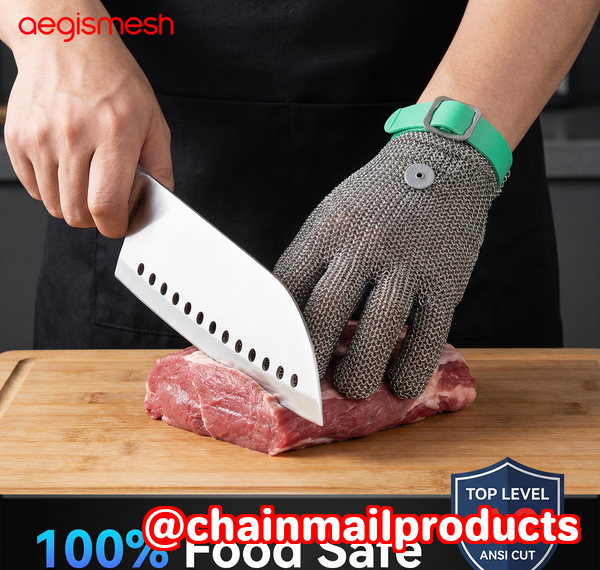
I’ve heard countless stories from buyers who regret their chainmail purchases because they didn’t know what to look for. From subpar craftsmanship to mismatched materials, identifying high-quality chainmail is a lot trickier than it seems. So, how can you avoid falling into the trap of buying a low-quality product that could compromise your safety or fail to meet your expectations? Let’s dive into how to inspect and evaluate chainmail products to make sure you’re getting the real deal.
Common Pain Points When Evaluating Chainmail
If you’ve been shopping for chainmail, you might have experienced these common frustrations:
-
Welded Rings vs Open Rings: It’s often hard to distinguish between welded rings, which are stronger and more secure, and open rings, which can easily come apart. This mistake can mean the difference between a safe product and one that could break under pressure.
-
Material Confusion: Not all stainless steel is created equal. Some sellers may not specify whether their chainmail is made from 304 or 316 stainless steel, which directly impacts its strength, durability, and resistance to corrosion. This can be especially important if you’re using the chainmail in harsh environments, like food processing or outdoor work.
-
Weak Weaves: Weave patterns like the popular European 4-in-1 are meant to offer flexibility and strength. But a poor-quality weave can reduce durability and create weak points that fail under stress.
At Aegimesh, we’ve created a detailed inspection guide to help you make sense of these potential issues, so you can buy with confidence. Let’s break down how you can verify chainmail quality and avoid making costly mistakes.
Aegimesh’s Guide to Identifying Quality Chainmail
When you’re evaluating chainmail, there are several things you should look for to ensure you’re getting a high-quality product. Here are the key factors to consider:
1. Material Type: 304 vs 316 Stainless Steel
One of the most important decisions you’ll need to make when buying chainmail is which grade of stainless steel to go for.
-
304 Stainless Steel: It’s more common and affordable but has slightly less corrosion resistance compared to 316. For indoor or light-duty use, 304 can be perfectly fine.
-
316 Stainless Steel: If you’re in a more demanding environment, such as food processing or marine applications, 316 is the better choice because it’s highly resistant to corrosion and oxidation.
At Aegimesh, we recommend choosing 316 stainless steel for heavy-duty and industrial uses due to its superior resistance to rust and wear. For cosplay or decorative purposes, 304 may suffice, but always check the grade before purchasing.
2. Inspecting Ring Welding
The way the rings are welded is another critical factor. You should look for chainmail made with welded rings, as they are far more durable than open rings, which are prone to separation under stress.
Here’s a quick test: If you can see a gap between the ends of the ring, it’s an open ring. Welded rings, on the other hand, will be solid, with no visible gap.
-
Welded Rings: Offer greater strength and are more secure.
-
Open Rings: Are generally weaker and more likely to fail under pressure.
Aegimesh’s chainmail products use welded rings to ensure safety and durability.
3. Wire Thickness and Ring Diameter
The thickness of the wire and the diameter of the rings play a significant role in the overall durability of the chainmail. Here’s why:
-
Wire Thickness: Thicker wire increases the strength of the chainmail. But keep in mind, it also makes the mail stiffer and heavier.
-
Ring Diameter: The size of the rings affects how closely the mail links together. Smaller rings (with a smaller inner diameter) will result in a denser, more protective weave, while larger rings can leave gaps and compromise protection.
If you’re looking for cut-resistant chainmail, aim for a denser weave with thicker wires and smaller ring diameters. Aegimesh offers chainmail with optimal wire thickness and ring size to ensure both durability and comfort.
4. Evaluating the Weave Pattern
The pattern of the weave is another important indicator of quality. The European 4-in-1 weave is one of the strongest and most flexible weaves, providing excellent protection. When inspecting the chainmail, check to see if the rings are woven tightly, with no gaps or loose sections.
-
European 4-in-1 Weave: Known for its balanced combination of strength, flexibility, and appearance, this pattern is ideal for both protective and decorative uses.
If you’re not sure, Aegimesh’s products feature reliable European 4-in-1 weaves that offer a high level of strength and flexibility.
Practical Tips for Inspecting Chainmail
Now that you know what to look for, here are some practical tips you can use to inspect chainmail before buying:
-
The Pull Test: Grab a section of chainmail and pull it apart gently. A well-made chainmail should not easily stretch or break. If the rings start separating or the weave begins to pull apart, it’s a red flag.
-
Check for Corrosion: Especially with stainless steel, look for signs of rust or discoloration. Poor-quality steel or improper treatment can result in corrosion, even in products marketed as rust-resistant.
-
Look for Weak Spots: Examine the weave closely for any gaps or loose links. A good chainmail product will have a uniform, tight weave without any loose rings or weak points.
-
Feel the Weight: If the chainmail feels too light, it could be made from cheap materials that won’t hold up over time. Higher-quality chainmail will have a bit of weight to it, as the material and rings need to be strong.
-
Choose the Right Type for Your Use: If you’re using the chainmail for industrial purposes, like cut protection in a warehouse, or handling food in a kitchen, you’ll need a product that’s designed for strength and durability. For cosplay or historical reenactments, you might prioritize appearance and comfort over extreme durability.
By following these simple steps, you’ll be well on your way to making a safe and informed purchase. At Aegimesh, we’ve made sure our products meet the highest standards of quality, durability, and craftsmanship.
Conclusion
In conclusion, buying high-quality chainmail doesn’t have to be a confusing or frustrating process. By inspecting material quality, checking ring welding, evaluating wire thickness, and assessing the weave pattern, you can avoid the common pitfalls that many buyers face. Whether you’re looking for industrial cut protection, food handling gear, cosplay accessories, or historical replicas, following these steps will help you make sure your chainmail is safe, durable, and reliable.
I highly recommend following these inspection tips to ensure that any chainmail you purchase meets the necessary safety and durability standards. It will not only save you money but also ensure your safety in critical environments.
Learn more about identifying high-quality chainmail products: https://www.aegimesh.com/
Check out our detailed chainmail inspection guide today!
FAQ
-
How can I tell if a chainmail ring is welded or open?
-
Look for a visible gap between the ends of the ring. If the ends are joined without a gap, it’s a welded ring. Open rings will show a noticeable space.
-
-
Which stainless steel grade is best for long-lasting chainmail?
-
316 stainless steel is the best for durability and corrosion resistance, especially in harsh environments. 304 stainless steel is suitable for light use or decorative purposes.
-
-
How do I inspect the weave pattern for strength?
-
Check for a tight, uniform weave without gaps. The European 4-in-1 weave is highly regarded for its strength and flexibility.
-
-
What are the signs of low-quality or unsafe chainmail?
-
Look for weak, loose links, poor welding, or rust. If the chainmail feels lightweight or too flimsy, it may be made from low-quality materials.
-
-
Can decorative chainmail be used for protective purposes?
-
Decorative chainmail may not provide adequate protection, as it may be made from lighter materials with looser weaves. Always choose protective chainmail that is specifically designed for your intended use.
-
-
How do I choose the right chainmail for industrial vs cosplay use?
-
For industrial use, prioritize durability, such as 316 stainless steel with tight weaves and thick wire. For cosplay, focus on comfort and appearance, as long as the chainmail meets basic durability standards.
-
Tags or Keywords
-
Chainmail quality
-
Welded rings
-
Stainless steel chainmail
-
Cut-resistant chainmail
-
Chainmail inspection
-
European 4-in-1 weave