
The Future of Steel Metal Chainmail in Industrial Safety
When it comes to purchasing chainmail for either industrial protection, cosplay, or decorative purposes, it can often feel overwhelming. You might wonder, “How do I know if the chainmail I’m buying will provide the durability and safety I need?” Whether you’re a collector looking for historical replicas, a professional in need of cut-resistant protection, or a cosplayer seeking something both authentic and reliable, the questions around chainmail quality are the same. How do you distinguish between high-quality chainmail and imitations that won’t stand the test of time or provide the protection you require?
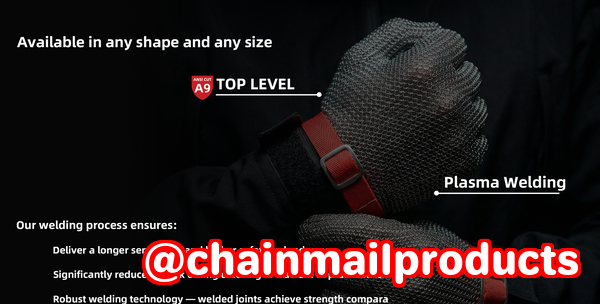
In this post, I’ll break down the process of evaluating chainmail quality. I’ll share practical, easy-to-follow tips on what to look for when inspecting your chainmail purchases. Plus, I’ll explain why these steps are critical in helping you avoid unsafe or low-quality products.
Common Chainmail Inspection Challenges
When inspecting chainmail, whether for industrial, food-processing, or cosplay purposes, buyers often encounter a few common challenges. Knowing what to look for can make all the difference in ensuring your purchase meets safety standards and provides long-lasting durability.
1. Difficulty Telling Welded Rings from Open Rings
This is one of the most common issues I’ve heard from buyers, and it’s no surprise. Open rings look similar to welded rings at first glance, but they don’t offer the same durability or protection. Welded rings are permanently closed, ensuring the integrity of the chainmail, whereas open rings can come undone, compromising strength and safety.
2. Uncertainty Around Stainless Steel Grades
Stainless steel is the most common material used in high-quality chainmail, but not all stainless steel is the same. There are different grades of stainless steel, each offering varying levels of corrosion resistance and durability. For instance, 304 stainless steel is generally cheaper but less resistant to corrosion compared to 316 stainless steel, which is preferred in environments with high moisture or corrosive elements.
3. Weak Weaves or Inconsistent Patterns
The weave of the chainmail plays a significant role in its strength. A weak or inconsistent weave pattern can lead to poor durability, making it less effective in high-impact or hazardous situations. One of the most commonly used and strongest weaves is the European 4-in-1, which provides excellent strength and flexibility for industrial use.
How to Inspect Chainmail Quality: The Essential Steps
Now that we’ve covered the common pain points, let’s talk about how you can inspect and verify chainmail quality. Armed with these tips, you’ll be able to make an informed choice every time.
1. Material Type: 304 vs. 316 Stainless Steel
When purchasing chainmail, especially for industrial or food-related uses, it’s crucial to know which type of stainless steel is being used. As mentioned, 304 stainless steel is a popular and affordable option, but it’s not ideal for environments exposed to moisture or corrosive elements. On the other hand, 316 stainless steel offers superior corrosion resistance, making it a better choice for high-moisture environments or outdoor use. Here’s how to check the material:
-
Look for a Material Label: Manufacturers will often specify the type of stainless steel used.
-
Corrosion Resistance Test: A quick way to test is by looking for signs of rust or corrosion on the surface, which will appear more frequently with 304 steel in wet environments.
2. Ring Welding and Integrity
Next, focus on the rings themselves. Check whether the rings are welded or open. A welded ring is a clear indicator of durability. If you’re unsure, you can perform a simple pull test:
-
Pull Test: Grab a few rings in your hand and pull them apart. If the rings separate easily, you’ve got open rings. If they hold together without any movement, you’ve got welded rings.
-
Visual Inspection: Examine the rings closely. Welded rings typically show a small, barely noticeable seam where the two ends meet.
3. Wire Thickness and Inner Diameter
The wire thickness and the inner diameter of the rings directly impact the strength of the chainmail. Thicker wire and a smaller inner diameter mean more strength and resistance to wear. To check these factors:
-
Measure the Wire: Use a caliper to measure the wire’s thickness. Thicker wire (e.g., 1mm or 2mm) generally offers better protection.
-
Ring Diameter: Check the inner diameter of the rings. Smaller rings (e.g., 6mm or 8mm) make a stronger weave compared to larger rings.
4. Weave Pattern: European 4-in-1 and Beyond
The European 4-in-1 weave is a classic pattern that provides excellent durability and flexibility. It’s ideal for industrial cut protection, as it creates a dense and tight structure. To evaluate the weave:
-
Count the Rings: In a European 4-in-1 weave, each ring should pass through four other rings, creating a strong, interlocking pattern. This pattern is ideal for heavy-duty applications.
-
Inspect for Consistency: A high-quality chainmail will have consistent and evenly spaced rings. If the weave looks irregular, it’s likely an indication of poor craftsmanship or weak material.
The Benefits of Proper Chainmail Inspection
By following these inspection tips, you ensure that you avoid common pitfalls that come with low-quality chainmail. Here’s how these steps will benefit you:
-
Safety First: Poor-quality chainmail can fail in dangerous situations. If you’re buying chainmail for industrial safety, ensuring that it’s made with welded rings and corrosion-resistant materials can prevent accidents and injuries.
-
Cost-Effective Choices: By checking for material quality, you’ll avoid wasting money on subpar products that won’t last.
-
Durability Assurance: Whether for cosplay or industrial protection, chainmail made with high-quality materials and weaves is built to last.
Conclusion: Making Smart Chainmail Purchases
If you’re purchasing chainmail for industrial, cosplay, or decorative purposes, taking the time to inspect its quality is essential. I highly recommend following these simple steps:
-
Check the material: Ensure you’re getting the right grade of stainless steel.
-
Inspect the rings: Confirm they’re welded and not open rings.
-
Evaluate the weave: Look for consistency and strength in the pattern.
These steps will save you from making unsafe or wasteful purchases. Always trust your inspection process to ensure your chainmail meets the necessary safety and durability standards.
Want to dive deeper? Learn more about identifying high-quality chainmail products and follow our detailed chainmail inspection guide today at Aegimesh Chainmail.
Frequently Asked Questions
How can I tell if a chainmail ring is welded or open?
Look for a seam on the ring. If the ring is welded, the seam will be barely noticeable. You can also perform a pull test to see if the ring holds together under pressure.
Which stainless steel grade is best for long-lasting chainmail?
316 stainless steel is the best choice for durability and corrosion resistance, especially for industrial and outdoor use. 304 stainless steel is more affordable but may corrode in damp conditions.
How do I inspect the weave pattern for strength?
In a European 4-in-1 weave, each ring should pass through four others, forming a dense and interlocking pattern. Inspect the weave for consistency to ensure strength.
What are the signs of low-quality or unsafe chainmail?
Look for weak rings (open rings), irregular weave patterns, rust or corrosion on the rings, or thin wires. These can all be signs of poor craftsmanship and lower durability.
Can decorative chainmail be used for protective purposes?
It depends on the weave and material. Decorative chainmail may not be as strong as industrial-grade chainmail, so it’s essential to inspect it carefully before using it for protection.
How do I choose the right chainmail for industrial vs. cosplay use?
For industrial use, focus on strength, durability, and corrosion resistance (316 stainless steel and welded rings). For cosplay, lighter options and aesthetic patterns may be sufficient, but ensure the weave is durable enough for wear.
Can I use a simple pull test to check for durability?
Yes! A simple pull test can help you identify whether the rings are welded or open and can give you an idea of the overall quality of the chainmail.
Tags or Keywords
-
chainmail quality
-
welded rings
-
stainless steel chainmail
-
cut-resistant chainmail
-
chainmail inspection
-
European 4-in-1 weave
-
chainmail durability