
The Durability of Steel Chainmail in Extreme Environments
When it comes to chainmail, durability isn’t just a nice-to-haveit’s a necessity. Whether you’re a collector, cosplayer, or industrial user, knowing how to identify high-quality chainmail is crucial to ensuring both safety and longevity. I’ve heard it time and again from buyers: “How do I know if my chainmail will hold up under pressure?” or “How can I be sure I’m getting the real deal and not a cheap imitation?” If you’ve asked yourself these questions, you’re not alone. In this guide, we’ll explore how to evaluate chainmail’s quality, especially for extreme environments where its performance matters most.
Why Quality Matters: A Real-Life Example
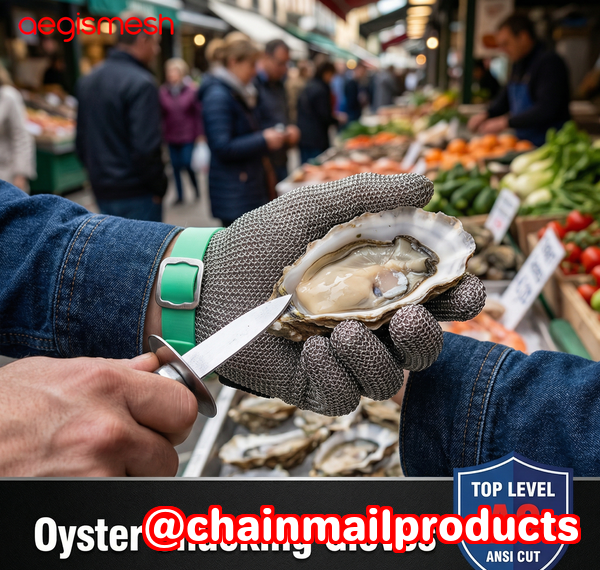
Imagine this scenario: You’ve just purchased a set of stainless steel chainmail gloves for your food-processing business. The idea is to protect workers from cuts while they handle sharp kitchen tools. Everything looks good in the pictures online, but within a few uses, the rings start to loosen, and the chainmail shows signs of wear. You soon realize that the product you bought wasn’t up to industrial standards, and the whole process becomes a safety hazard. Sound familiar?
Unfortunately, this type of situation happens more often than you’d think. Whether you’re buying chainmail for cosplay, historical reenactments, or industrial use, it’s easy to be misled by seemingly good deals on low-quality products. But with the right knowledge, you can avoid these mistakes and make more informed, safer choices.
Common Chainmail Pitfalls
When shopping for chainmail, there are a few common pitfalls buyers encounter. Let’s take a look at some of the biggest challenges and how you can avoid them.
-
Welded vs. Open Rings: The Hidden Difference
One of the most common issues when inspecting chainmail is distinguishing between welded and open rings. Welded rings are far more durable and will not come apart under pressure. Open rings, on the other hand, are often cheaper and more likely to unravel or weaken over time. The problem is, it’s not always easy to tell the difference at first glance.
A simple way to check? Gently tug on a few rings. If they shift or come apart, you’re likely dealing with open rings. This is especially important for industrial-grade chainmail, where any weakening could cause significant safety risks.
-
Stainless Steel Grade Confusion
Not all stainless steel is created equal. There are two primary grades you’ll encounter when shopping for chainmail: 304 and 316 stainless steel. While both are resistant to rust, 316 stainless steel offers better corrosion resistance, especially in extreme environments like food processing, marine applications, or even intense weather conditions.
Tip: For any chainmail that will be exposed to harsh conditions (like outdoor wear or heavy industrial use), always opt for 316 stainless steel. It’s a bit more expensive, but it pays off in the long run by resisting corrosion and maintaining structural integrity.
-
Weak Weaves: Not All Patterns Are Equal
The weave pattern of chainmail plays a major role in its strength. European 4-in-1 is one of the most commonly used weaves for strength and durability. If you’re looking at a piece of chainmail with a different patternsay, a loose 6-in-1 or 8-in-1you might be dealing with a decorative piece that isn’t built to withstand much physical stress.
When evaluating a chainmail product, check the tightness of the weave. A loose weave can compromise its protective qualities, making it less reliable for industrial or heavy-duty use.
How to Inspect Chainmail Quality: A Step-by-Step Guide
At Aegimesh, we’ve developed a simple and effective way to evaluate chainmail quality, and I’m excited to share it with you. Whether you’re a buyer looking for a cosplay costume or an industrial professional in need of protective gear, these tips will help you assess the durability of any chainmail product.
1. Material Inspection: Stainless Steel Grades
Start by checking the material of the chainmail. You should ask the seller about the specific grade of stainless steel used. As mentioned, 316 stainless steel is the best for extreme environments, but 304 steel works well for general purposes. Make sure you’re getting what you pay for!
2. Inspecting Ring Quality: Welded vs. Open Rings
As mentioned earlier, welded rings are far superior to open rings, especially for functional chainmail like gloves or industrial wear. To check for welded rings, gently pull a few rings apart. If they hold firm, you’re in the clear. If they start to separate, that’s a big red flag.
3. Wire Thickness and Ring Diameter
The thickness of the wire and the inner diameter of each ring directly affect the strength of the chainmail. For industrial use, you’ll want wire that’s thicker (around 16 to 18 gauge) for durability. The ring diameter should also be proportionate to the wire thickness. Too large, and the weave may be too loose. Too small, and the rings might not interlock properly.
4. Weave Patterns and Strength
Evaluate the weave pattern to ensure it’s tight and uniform. European 4-in-1 is the strongest weave for general chainmail use, but for specific applications like armor, you may need a different pattern. Make sure the rings interlock well and the weave is consistent across the entire piece.
Benefits of a Proper Inspection
By following these inspection steps, you can:
-
Avoid purchasing unsafe chainmail for industrial or food-processing purposes.
-
Ensure your cosplay or decorative chainmail meets the durability you expect.
-
Save money by identifying low-quality chainmail products before they fall apart.
Conclusion: How to Buy the Right Chainmail for Your Needs
In conclusion, ensuring your chainmail is of high quality doesn’t have to be a guessing game. By following the steps outlined herechecking materials, inspecting welds, evaluating wire thickness, and assessing weave patternsyou’ll be in a much better position to make an informed purchase. I highly recommend following these steps to ensure any chainmail purchase meets safety and durability standards.
When you take the time to inspect a product properly, you protect yourself and your investment. For those looking for more detailed guidance, our Chainmail Inspection Guide offers even more insights.
Learn more about identifying high-quality chainmail products: Aegimesh Chainmail Guide
FAQs
-
How can I tell if a chainmail ring is welded or open?
Gently pull a few rings apart. If they stay in place, you have welded rings. If they shift or come apart, they’re open.
-
Which stainless steel grade is best for long-lasting chainmail?
For the best durability and corrosion resistance, opt for 316 stainless steel. It’s ideal for industrial and harsh environments.
-
How do I inspect the weave pattern for strength?
Check for a tight and uniform weave. European 4-in-1 is known for its strength, and it should look consistent throughout the entire piece.
-
What are the signs of low-quality or unsafe chainmail?
Look for loose rings, inconsistent weaves, and thin wire. Poor welding or unsealed open rings are also signs of low-quality chainmail.
-
Can decorative chainmail be used for protective purposes?
Decorative chainmail often uses weaker materials and looser weaves, making it unsuitable for protective use. Always check for functional quality when you need protection.
-
How do I choose the right chainmail for industrial vs. cosplay use?
For industrial use, prioritize welded rings, thicker wire, and corrosion-resistant stainless steel. For cosplay, you may focus more on visual appeal and comfort but still check the ring quality and material.
Tags or Keywords
-
chainmail quality
-
welded rings
-
stainless steel chainmail
-
cut-resistant chainmail
-
chainmail inspection
-
European 4-in-1 weave