
The Connection Between Steel Chainmail and Modern Tactical Gear
When it comes to purchasing chainmailwhether it’s for protection, historical reenactment, or cosplaymany buyers face a common dilemma: How can I be sure I’m getting a high-quality product? With so many options out there, it can be difficult to distinguish between well-crafted chainmail and lower-quality imitations that might not offer the protection or durability you need. As someone who’s been through this process myself, I know how frustrating it can be. That’s why I’m here to share some essential tips on how to evaluate chainmail and make sure you’re investing in a product that delivers on its promises.
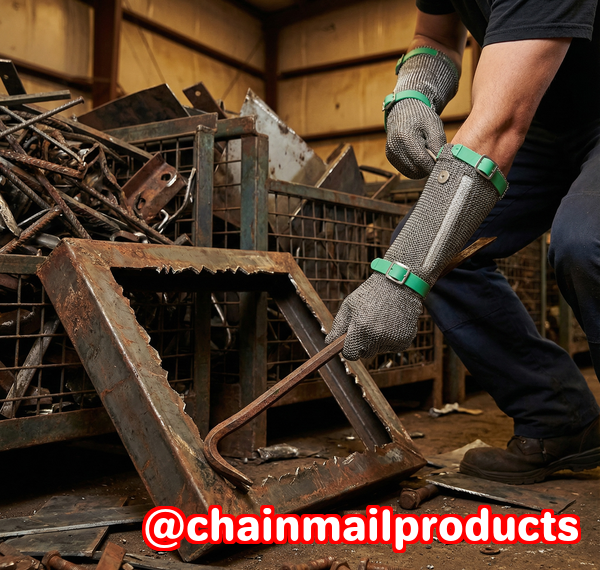
The Struggles of Evaluating Chainmail Quality
Before diving into the specifics of how to assess chainmail quality, let’s look at a few common issues that many buyers face when shopping for this type of gear.
-
Welded vs. Open Rings: One of the most common struggles people have is distinguishing between welded rings and open rings. While welded rings are strong and durable, open rings can easily come apart with just a bit of wear and tear.
-
Stainless Steel Grades: Not all stainless steel is created equal. Many buyers are confused about the difference between 304 and 316 stainless steelboth are good options, but 316 has better corrosion resistance, making it more suitable for environments where moisture or salt is a factor.
-
Weave Patterns and Durability: Another pitfall is not understanding how different weave patterns impact strength and flexibility. For example, European 4-in-1 is one of the strongest weave patterns, but not all chainmail is constructed in a way that maximizes its durability.
These are just a few of the concerns that can lead to the purchase of subpar chainmail. But don’t worry; I’m here to break it all down and provide you with a clear and practical guide to help you avoid these pitfalls.
Aegimesh Chainmail: Your Guide to Quality
Aegimesh Chainmail is a fantastic resource for those looking to make informed decisions when purchasing chainmail. Our inspection guide covers everything you need to know, from identifying welded rings to choosing the right stainless steel grade and assessing weave patterns for maximum strength.
Here’s what to keep in mind when you’re evaluating chainmail:
1. Check the Material Type: 304 vs 316 Stainless Steel
The type of stainless steel used in chainmail is one of the first things to look at. 304 stainless steel is the most common, but 316 stainless steel is superior when it comes to corrosion resistance, making it ideal for harsh environments like food processing or coastal areas.
-
304 Stainless Steel: Offers decent corrosion resistance but can be more susceptible to rust over time if exposed to moisture or harsh chemicals.
-
316 Stainless Steel: Better for use in high-moisture environments. It’s highly resistant to rust and corrosion, making it a great choice for industrial, medical, and food-handling applications.
So, if you plan to use your chainmail in a setting where it will be exposed to moisture or chemicals, opting for 316 stainless steel is definitely worth the investment.
2. Inspect the Ring Welds
This is a critical point that many buyers overlook. Welded rings are far superior to open rings because they create a much stronger, more durable weave. Open rings, on the other hand, can break apart more easily, especially under stress or after prolonged use.
To check the quality of the rings, gently pull on the links and look for any signs of movement or separation. If the rings are welded, they should feel solid and not give way under pressure.
3. Assess the Wire Thickness and Ring Diameter
The wire thickness and ring diameter play a huge role in the durability of the chainmail. A chainmail with thicker wire and smaller rings will generally be stronger and more protective. However, too thick of a wire or too small a diameter can make the chainmail stiff and less flexible, which may not be ideal for all applications.
Here’s a quick guide to help you evaluate:
-
Wire Thickness: Thicker wire provides more durability, but too thick can hinder movement.
-
Ring Diameter: A smaller diameter can increase strength, but a larger diameter may offer more flexibility and ease of wear.
4. Examine the Weave Pattern
The weave pattern determines how well the chainmail will hold up under stress. The European 4-in-1 weave is one of the most popular patterns, known for its strength and flexibility. In this pattern, each ring is woven through four others, creating a tight and durable structure.
Check if the weave is consistent throughout the entire piece. If the weave looks uneven or loose in spots, it may indicate poor craftsmanship.
5. Perform a Simple Pull Test
A simple way to test the quality of chainmail is by performing a pull test. Gently pull on several links in different areas to see if the rings stay intact. If any rings start to separate or bend under pressure, this could indicate weak welds or poor craftsmanship.
Why Proper Inspection Matters
Taking the time to inspect your chainmail before purchasing can save you from a lot of headaches later on. Here are some of the benefits of a thorough inspection:
-
Safety First: Low-quality chainmail can be unsafe, especially for industrial or food-handling purposes. Weak welds, poor materials, and inconsistent weaves can all compromise protection.
-
Durability: Ensuring your chainmail is made with high-quality materials and strong construction will extend its lifespan, making it a better long-term investment.
-
Cost Savings: By identifying low-quality products before you buy, you’ll avoid wasting money on items that might need to be replaced sooner than expected.
Conclusion: Make an Informed Chainmail Purchase
In my experience, I highly recommend following these steps to ensure any chainmail purchase meets safety and durability standards. Whether you’re buying for cosplay, historical reenactments, or industrial use, knowing what to look for can make all the difference in the quality and performance of your gear.
Take action today: Learn more about identifying high-quality chainmail products here.
Frequently Asked Questions (FAQ)
1. How can I tell if a chainmail ring is welded or open?
You can tell by gently pulling on the rings. Welded rings will stay intact, while open rings might separate.
2. Which stainless steel grade is best for long-lasting chainmail?
316 stainless steel is the best choice for long-lasting durability, especially in moist or chemical-heavy environments.
3. How do I inspect the weave pattern for strength?
Look for a tight and consistent weave, such as the European 4-in-1 pattern, which is known for its strength.
4. What are the signs of low-quality or unsafe chainmail?
Signs include weak welds, inconsistent weave patterns, and signs of rust or corrosion on the material.
5. Can decorative chainmail be used for protective purposes?
While decorative chainmail can look great, it might not offer the level of protection needed for industrial or safety use. Always ensure the chainmail is made with quality materials for protection.
6. How do I choose the right chainmail for industrial vs. cosplay use?
For industrial use, prioritize durability, corrosion resistance, and tight weave patterns. For cosplay, focus more on comfort and flexibility.
Tags/Keywords
chainmail quality, welded rings, stainless steel chainmail, cut-resistant chainmail, chainmail inspection, European 4-in-1 weave