
Steel Metal Chainmail vs Plastic Mesh Protection: How to Identify High-Quality Chainmail Products
When you’re in the market for chainmail, whether it’s for industrial use, cosplay, or historical reenactments, the options can be overwhelming. How do you know what’s truly high-quality and what’s just a decorative piece? It’s a common concern among buyers, collectors, and professionals alike. You might find yourself wondering: “How can I be sure the chainmail I’m buying is durable, safe, and worth the investment?”
Chainmail quality isn’t always easy to assess at first glance, and if you’re unfamiliar with the key indicators of high-quality products, it can be tricky to make the right choice. This post will guide you through the process of identifying high-quality chainmail products, helping you avoid low-quality or unsafe options.
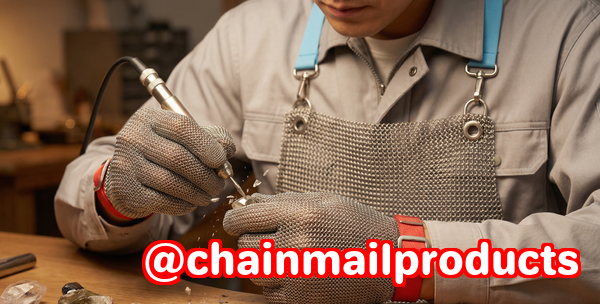
The Struggle to Identify Quality Chainmail
Whether you’re buying chainmail for industrial cut protection, food processing, cosplay, or historical reenactments, there’s a lot of confusion surrounding what constitutes “good” chainmail. Here are a few pain points that many buyers face:
-
Welded rings vs open rings: Not all rings are created equal. Open rings are often weaker and less durable than welded rings.
-
Stainless steel confusion: With different grades like 304 and 316 stainless steel, it can be hard to determine which one is best suited for your needs.
-
Weave inconsistency: The quality of the weavewhether it’s a traditional European 4-in-1 or something elseplays a huge role in the strength and longevity of the chainmail.
If you’re purchasing chainmail for safety-critical applications, such as in industrial environments or food processing, it’s crucial to know how to inspect the materials and evaluate the craftsmanship. By following a few simple steps, you can easily distinguish between high-quality and low-quality chainmail, ensuring that your investment provides the protection or aesthetic you need.
The Solution: A Simple Chainmail Inspection Guide
Aegimesh Chainmail is your reliable source for high-quality, durable chainmail products. Our inspection guide will walk you through everything you need to check when evaluating chainmail. Let’s dive into the key areas you should inspect to ensure you’re getting the best quality.
1. Check the Material Type: 304 vs 316 Stainless Steel
When choosing chainmail, one of the first things you need to consider is the material. Chainmail made from 304 stainless steel is good for general use, but 316 stainless steel offers superior resistance to corrosion, making it ideal for environments exposed to moisture, like food processing or marine work.
-
304 stainless steel: Resistant to oxidation and corrosion but not as durable in harsh environments.
-
316 stainless steel: Offers enhanced corrosion resistance, making it more suitable for heavy-duty or long-term applications.
Tip: If you plan to use your chainmail for food handling or industrial cut protection, opt for 316 stainless steel, especially if the environment is prone to moisture or harsh chemicals.
2. Inspect the Ring Welding: Welded vs Open Rings
One of the easiest ways to spot high-quality chainmail is by inspecting the rings. Welded rings are more durable and secure than open rings, as they won’t come apart under stress. When you examine the chainmail, check for visible welds on each ring. This is especially important for chainmail that will be used for protective purposes.
-
Welded rings: Stronger and more reliable for safety-critical applications.
-
Open rings: Less durable, often found in decorative or low-quality chainmail.
Tip: Always check if the rings are welded, especially if you’re purchasing chainmail for industrial protection. A simple pull test can often reveal whether the weld is strong enough to withstand stress.
3. Evaluate Wire Thickness and Inner Diameter
The thickness of the wire and the diameter of the rings are also important factors that affect the strength and durability of chainmail. Thicker wire generally means stronger, more durable chainmail, especially when it comes to cut protection. The inner diameter of the rings can also influence how tightly the rings interlock, which in turn affects the chainmail’s overall strength.
-
Wire thickness: Thicker wire provides more resistance to cutting or abrasion.
-
Inner diameter: Rings that are too large may leave gaps in the weave, reducing the overall protective capability.
Tip: For industrial use, make sure the wire is thick enough to resist cuts and abrasions. For cosplay or decorative chainmail, inner diameter may be less critical, but it should still maintain a close, consistent weave for aesthetic reasons.
4. Assess the Weave Pattern: European 4-in-1
The European 4-in-1 weave is one of the strongest and most commonly used weaves in high-quality chainmail. This pattern involves each ring being passed through four others, creating a tight, interlocking structure that enhances the strength and durability of the chainmail.
-
European 4-in-1 weave: Provides excellent strength and flexibility, making it ideal for protective chainmail.
-
Other weaves: While some weaves may look aesthetically pleasing, they may not offer the same level of protection or durability.
Tip: When buying cut-resistant chainmail, the European 4-in-1 weave is a gold standard for industrial and safety applications. However, for cosplay or decorative chainmail, other weaves can still be used, though they may not provide the same level of protection.
5. Perform a Pull Test
One simple but effective test for determining chainmail quality is the pull test. Hold a section of the chainmail and pull it gently. If the rings move or break apart under pressure, you know you’re dealing with lower-quality material.
-
High-quality chainmail will hold firm during the test, with no weak points or shifting rings.
-
Low-quality chainmail may have loose rings or show signs of weakening.
Tip: Perform this test before making any purchase, especially if you’re buying chainmail for cut protection. It’s a quick and easy way to assess durability.
6. Look for Signs of Corrosion or Poor Craftsmanship
Even high-quality stainless steel chainmail can suffer from corrosion or poor craftsmanship if it’s not properly maintained or if the manufacturer didn’t follow the right processes. Look for any rust, discoloration, or uneven welds as indicators of low-quality work.
-
Rust: Often indicates poor-quality steel or exposure to moisture over time.
-
Discoloration: Could be a sign of improper heat treatment or chemical exposure.
-
Uneven welds: Indicates a lack of attention to detail and likely reduces the strength of the chainmail.
Tip: Especially for food handling or industrial environments, make sure there’s no rust or discoloration in the chainmail, as this could affect the hygiene and safety of the material.
Conclusion: Make Informed Chainmail Choices
In summary, when purchasing steel metal chainmailwhether for industrial cut protection, cosplay, or any other useit’s crucial to evaluate the material quality, welding, wire thickness, weave pattern, and craftsmanship. By following these steps, you’ll be able to identify high-quality chainmail and avoid costly mistakes that could lead to unsafe or unreliable purchases.
I highly recommend following these simple inspection methods to ensure any chainmail purchase meets your safety and durability standards. Whether you’re buying for work, protection, or display, knowing what to look for will save you time, money, and frustration.
Learn more about identifying high-quality chainmail products at Aegimesh.
Check out our detailed chainmail inspection guide today.
Frequently Asked Questions (FAQ)
1. How can I tell if a chainmail ring is welded or open?
Inspect the ring closely. A welded ring will have a visible seam where the ends are fused together, while an open ring will have a gap.
2. Which stainless steel grade is best for long-lasting chainmail?
316 stainless steel is best for long-term durability, especially in environments exposed to moisture or harsh chemicals. For general use, 304 stainless steel works well.
3. How do I inspect the weave pattern for strength?
Check for a tight, uniform weave pattern, such as the European 4-in-1. This pattern provides strength and flexibility, making it ideal for protective uses.
4. What are the signs of low-quality or unsafe chainmail?
Signs include loose or open rings, inconsistent weave patterns, rust or corrosion, and poorly executed welds.
5. Can decorative chainmail be used for protective purposes?
Decorative chainmail, while visually appealing, may not offer the same level of protection as high-quality chainmail made for industrial or safety use.
6. How do I choose the right chainmail for industrial vs cosplay use?
For industrial use, prioritize 316 stainless steel, welded rings, and tight weaves like the European 4-in-1. For cosplay, aesthetics may be more important, but durability should still be considered.
Tags or Keywords
-
Chainmail quality
-
Welded rings
-
Stainless steel chainmail
-
Cut-resistant chainmail
-
Chainmail inspection
-
European 4-in-1 weave
-
Chainmail durability