
Steel Metal Chainmail vs Lightweight Safety Gear: What You Need to Know
When you’re shopping for protective gearwhether it’s for industrial use, food handling, or a cosplay costumeit can be tough to know what you’re really getting. For instance, when I was searching for high-quality chainmail, I kept running into two problems: finding chainmail that was either too lightweight to offer real protection or too flimsy, lacking the durability I needed. And with so many options out there, how do you separate the high-quality, reliable products from those that are more for display or cosplay?
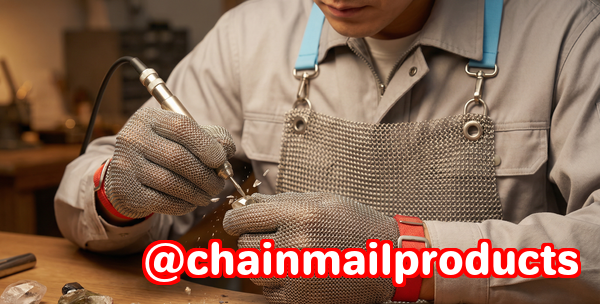
After going through this myself, I realized that the process of choosing chainmail isn’t as straightforward as it seems. But don’t worry, I’m here to guide you through the process so you can spot high-quality chainmail every time.
The Challenges of Buying Chainmail: Are You Getting the Right Protection?
When evaluating chainmail, you need to know what makes a piece durable, strong, and safe. One of the most common issues buyers face is not being able to tell the difference between genuine protective chainmail and cheap, decorative imitations. If you’re a collector, you might not mind if the chainmail is a bit fragile, but if you’re using it for industrial work or protection, it’s a whole different story.
So, how can you be sure that the chainmail you’re looking at can actually stand up to the test of time and offer the protection you need? Let’s take a look at a few key pain points:
-
Welded Rings vs. Open Rings: Many people don’t realize the difference between welded and open rings. Open rings are typically easier to make and less expensive, but they’re also weaker and more likely to break apart under stress.
-
Choosing the Right Stainless Steel: Not all stainless steel is made equal. There’s a big difference between 304 stainless steel and 316 stainless steel, and this choice can affect how durable your chainmail is.
-
Weave Strength: While European 4-in-1 is the most common and strong weave, not all chainmail weaves are created equal. Some weaker weaves may look nice but won’t hold up to real-world use.
But don’t worryI’ve got you covered. Here’s a breakdown of how you can properly inspect chainmail before purchasing.
Step-by-Step Guide to Inspecting Chainmail
I know firsthand how overwhelming it can be to sort through chainmail products. But by following these simple steps, you can make sure you’re choosing something that’s durable, safe, and built to last.
1. Check the Material Type (304 vs. 316 Stainless Steel)
The first thing you want to do when evaluating chainmail is look at the material. Stainless steel is the most common choice for quality chainmail, but there are two main types: 304 and 316 stainless steel.
-
304 Stainless Steel: This is the most commonly used type of stainless steel. It’s durable and corrosion-resistant, but it can be prone to rust if exposed to salty or harsh environments.
-
316 Stainless Steel: Known for its superior corrosion resistance, 316 is perfect for chainmail that will be exposed to wet or salty environments, like in food processing or outdoor work.
Tip: If you’re using chainmail for industrial or food processing purposes, always go for 316 stainless steel for its superior corrosion resistance.
2. Inspect the Ring Welding
Next up, check how the rings are held together. The most important factor here is whether the rings are welded or open.
-
Welded Rings: These are stronger and more durable because they’re fused together with heat. This means the rings won’t open up under pressure, making it more secure and long-lasting.
-
Open Rings: These are often seen in decorative chainmail, but they tend to break or come undone much more easily.
How to check? Gently tug on a few rings to see if they move or stay firmly in place. If the rings slide apart or feel loose, they’re likely open rings, which means the chainmail is not suitable for heavy-duty use.
3. Wire Thickness and Inner Diameter
Another key thing to check is the thickness of the wire used to make the rings and the inner diameter of the rings themselves. Thicker wires and smaller diameters make for a more solid, durable piece of chainmail.
Tip: A good rule of thumb is that thicker wires (around 1.0 mm to 1.5 mm) and smaller ring diameters (about 8 mm to 10 mm) offer the most protection.
Why it matters: A thinner wire or larger inner diameter might make the chainmail look sleek or lighter, but it also compromises the protection it can provide. This is especially important if you’re planning to use the chainmail for industrial work or safety purposes.
4. Weave Pattern and Strength
When looking at chainmail, the weave pattern is one of the most critical factors in determining its strength. The most common, and most reliable, pattern is the European 4-in-1 weave.
-
European 4-in-1 Weave: This classic pattern involves each ring passing through four others, creating a tight, durable structure that can withstand a lot of pressure. It’s the go-to weave for industrial, cosplay, and historical chainmail.
Tip: Always check the weave pattern closely. If you see large gaps or inconsistent ring placements, it’s a red flag.
5. Perform a Simple Pull Test
One of the easiest ways to check the strength of the chainmail is by doing a pull test. Gently pull on a section of the chainmail to see how much force it can take before the rings begin to stretch or pull apart. High-quality chainmail should hold together without much strain.
Why it works: This is an easy and quick way to spot weak links in the chainmail. If it falls apart or feels fragile, it’s likely a low-quality product that won’t hold up to real use.
6. Look for Signs of Corrosion or Poor Craftsmanship
No matter how beautiful or sturdy a piece of chainmail looks, always be on the lookout for signs of corrosion. Small rust spots or discoloration can signal poor-quality steel or improper care during manufacturing.
Also, check for uneven weaving or poorly welded ringsthese are signs of rushed craftsmanship or low-quality materials.
Pro Tip: For food processing or industrial use, always choose chainmail that’s been well-treated for corrosion resistance. If you’re using chainmail for cosplay or decoration, check that the metal is free of rust and damage.
How to Choose the Right Chainmail for Your Needs
When choosing chainmail, it’s important to match the product to its intended use. Here’s a quick rundown:
-
For Industrial Use: Look for high-grade 316 stainless steel chainmail with a European 4-in-1 weave. Make sure the rings are welded, and perform a pull test to ensure the durability and strength.
-
For Food Handling: Always go for 316 stainless steel, as it resists corrosion from moisture. Again, check the ring welding and make sure the weave is tight and secure.
-
For Cosplay or Display: While durability might not be your primary concern, aim for high-quality 304 stainless steel chainmail. It’s strong enough for most cosplay needs and offers a good balance of cost and quality.
-
For Collectibles or Historical Replicas: Depending on the replica’s authenticity, look for chainmail that closely resembles the original materials used in historical pieces. Quality will vary, but always check for welded rings and a strong weave pattern.
Conclusion: Ensure a Safe, Durable Chainmail Purchase
To summarize, buying chainmail doesn’t have to be overwhelming. By following these simple stepsinspecting the material type, checking ring welding, assessing wire thickness, and evaluating the weave patternyou can make sure that any chainmail purchase meets safety and durability standards.
I highly recommend following these steps to ensure that you’re getting chainmail that will serve you well for years to come. Whether it’s for work, cosplay, or as a collectible, understanding the quality of the chainmail is the key to making an informed, safe purchase.
If you want to learn more about identifying high-quality chainmail products, check out our detailed chainmail inspection guide today. Visit Aegimesh for more information.
FAQ
1. How can I tell if a chainmail ring is welded or open?
Look closely at the rings. Welded rings will have a visible weld seam where the ends are fused together, while open rings will have a small gap between the ends.
2. Which stainless steel grade is best for long-lasting chainmail?
316 stainless steel is the best choice for long-lasting, corrosion-resistant chainmail, especially in industrial or food-handling environments.
3. How do I inspect the weave pattern for strength?
Look for the European 4-in-1 weave. Each ring should pass through four others, creating a tight, sturdy structure. Inconsistent weaving or large gaps are signs of poor quality.
4. What are the signs of low-quality or unsafe chainmail?
Weak or open rings, poor welds, corrosion, uneven weaving, and an overall flimsy feel indicate low-quality chainmail. Always check for these issues before purchasing.
5. Can decorative chainmail be used for protective purposes?
Not always. Decorative chainmail is typically made from open rings and lightweight materials, so it won’t offer much protection. For safety, make sure the rings are welded and the material is durable.
**6. How do