
Steel Metal Chainmail Purchasing Checklist: How to Find High-Quality, Durable Chainmail for Every Need
When you’re purchasing chainmail, whether for safety, cosplay, or historical display, it’s tough to know which products truly deliver on quality. How do you know if the steel rings are welded or open? Is that stainless steel really rust-resistant? And can you trust that fancy weave pattern to stand up to real-world wear and tear? These are the very questions I often ask myself when hunting for a solid, long-lasting chainmail product.
If you’ve ever struggled to differentiate between genuine, durable chainmail and low-quality imitations, you’re not alone. But don’t worrywhether you’re buying for industrial use, cosplay, or just as a collector, I’m here to guide you through the essential steps for evaluating chainmail quality. By the end of this post, you’ll feel confident in your ability to spot the best chainmail products that are not only functional but also a good investment.
1. The Importance of Quality Chainmail
Chainmail isn’t just a relic of medieval times; it’s a versatile, reliable material used in various applications today. Whether you need cut-resistant protection for industrial work, safe handling in food processing, a durable costume for cosplay, or a historically accurate piece for your collection, it all boils down to one thing: quality.
But with so many options out there, how do you know which products are worth your hard-earned money? Let’s break it down.
2. Common Pitfalls When Buying Chainmail
When shopping for chainmail, buyers often face the same challenges, particularly around these areas:
Welded Rings vs Open Rings
One of the first things to check is whether the rings in the chainmail are welded or open. Open rings are typically weaker and can break apart more easily under pressure, making them unsuitable for safety purposes. Welded rings, on the other hand, are much more durable and secure, offering the strength and protection needed for heavy-duty uses, like industrial work or even historical reenactments.
Stainless Steel Grades
You might see terms like ‘304 stainless steel’ or ‘316 stainless steel’ thrown around, but what does it all mean for your chainmail purchase? Simply put, not all stainless steel is created equal. Grade 316 is known for its superior corrosion resistance, making it perfect for environments that deal with moisture or chemicals. Grade 304 is still a good choice for many uses, but it’s less resistant to rust and other elements compared to 316. Knowing which grade of steel you’re buying is essential for determining the chainmail’s durability and suitability for your intended purpose.
Weak or Inconsistent Weaves
The weave pattern of chainmail is another crucial factor. The European 4-in-1 weave, for instance, is one of the strongest and most popular patterns, widely used for both historical replicas and modern protective gear. If the weave isn’t consistent, or if the rings aren’t tightly interlinked, the chainmail can become brittle or fall apart with use.
3. Step-by-Step Guide to Inspecting Chainmail Quality
Now that we’ve highlighted some common pitfalls, let’s dive into how you can assess the quality of a chainmail product before making your purchase. Here’s a handy checklist to ensure you’re getting top-notch quality:
1. Inspect the Material: Stainless Steel Grades
First things firstcheck the material. High-quality chainmail should ideally be made from stainless steel, as it offers durability and resistance to rust and corrosion. Look for information about whether the steel is 304 or 316 grade. 316 stainless steel is your best bet for heavy-duty applications like food processing or industrial work because it’s more resistant to corrosion. For decorative purposes or light cosplay, 304 stainless steel will do just fine.
2. Check for Welded Rings
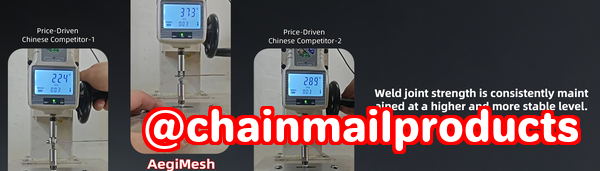
Welded rings are a must for strength and safety. When inspecting chainmail, make sure the rings are welded shut, as opposed to being held together with just a simple clasp or open link. A quick visual inspection can often tell you if the rings are welded, but if you’re unsure, gently pull at the rings to see if they separate. Any separation is a sign of poor construction.
3. Measure the Wire Thickness and Ring Diameter
The thickness of the wire and the diameter of the rings are important factors for both durability and comfort. In general, thicker wire means a stronger, more durable product, but also a heavier one. For industrial and protective chainmail, thicker wire and smaller ring diameters can provide superior protection. For cosplay or decorative chainmail, you may prefer thinner wire and larger rings for comfort and flexibility.
4. Evaluate the Weave Pattern
The European 4-in-1 weave is the most commonly used pattern for strong, reliable chainmail. In this pattern, each ring passes through four others, creating a sturdy interlocking structure. If you’re buying for industrial use, make sure the weave pattern is consistent and tight. A loose weave means the chainmail will likely tear or lose its protective qualities over time.
5. Perform a Pull Test
A simple pull test can give you a good indication of how secure the rings are. Grasp a small section of chainmail and pull gently to see if the rings stay in place. If you notice any movement or separation, that’s a clear sign the chainmail is poorly constructed.
6. Check for Signs of Corrosion
Even if you’re purchasing new chainmail, always inspect for signs of corrosion. A slight rust or discoloration around the rings can indicate poor-quality steel or subpar craftsmanship. For industrial applications, this is especially important as corrosion can compromise the safety of the material.
4. Why Proper Inspection is Important
Properly inspecting your chainmail purchase can help you avoid costly mistakes. Here are some key benefits of following these steps:
-
Safety: Avoid unsafe chainmail that might fall apart under pressure, especially in industrial or food-processing environments.
-
Durability: Ensure your chainmail will stand the test of timewhether you’re using it for protection, cosplay, or as a collectible.
-
Money-Saving: By identifying low-quality products upfront, you save money in the long run by not needing to replace damaged or weak chainmail.
5. Choosing the Right Chainmail for Your Needs
Your chainmail purchase should depend on its intended use. Here’s a quick guide to help you determine which type of chainmail is right for you:
-
Industrial Use (e.g., Cut-Resistant): Look for 316 stainless steel chainmail with welded rings and a tight European 4-in-1 weave pattern. This will give you the most protection against sharp objects.
-
Food Processing: For food handling, go for corrosion-resistant 316 stainless steel. It’s important to maintain hygiene and ensure your chainmail won’t degrade over time.
-
Cosplay/Decorative: If you’re looking for chainmail for cosplay or as a display piece, you can opt for lighter materials like 304 stainless steel. Focus on comfort and appearance.
-
Historical Replicas/Collectors: Authenticity matters here, so look for historically accurate materials and weaving patterns, such as the European 4-in-1 or even 6-in-1 weave, depending on your interest.
Conclusion: Why Chainmail Inspection Matters
In conclusion, whether you’re buying chainmail for industrial protection, cosplay, or as a collector’s item, it’s crucial to understand what makes a high-quality product. By inspecting material, welds, wire thickness, ring diameters, and weave patterns, you’ll ensure your chainmail purchase meets both safety and durability standards. I highly recommend following these steps before buying any chainmail to avoid low-quality products and ensure you get the best value for your money.
Ready to learn more? Check out our detailed chainmail inspection guide and start making informed purchases today. Learn more about identifying high-quality chainmail products here.
FAQ
-
How can I tell if a chainmail ring is welded or open?
-
Inspect the ring carefully. A welded ring will appear seamless, while an open ring may show a visible split. You can also try pulling the rings gently to see if they separate.
-
-
Which stainless steel grade is best for long-lasting chainmail?
-
Grade 316 stainless steel is ideal for corrosion resistance, making it perfect for industrial use or environments exposed to moisture. For decorative or light use, grade 304 is sufficient.
-
-
How do I inspect the weave pattern for strength?
-
The European 4-in-1 weave is a good standard for strength. Ensure the rings are tightly interlinked with no gaps or inconsistencies in the pattern.
-
-
What are the signs of low-quality or unsafe chainmail?
-
Look for rust, weak or open rings, loose weaves, or inconsistent material. These signs indicate poor construction and reduced durability.
-
-
Can decorative chainmail be used for protective purposes?
-
Decorative chainmail may not offer adequate protection. It’s designed for appearance, not safety. For protection, always choose welded rings and a strong weave pattern.
-
-
How do I choose the right chainmail for industrial vs cosplay use?
-
For industrial use, prioritize durability and corrosion resistance (316 stainless steel, welded rings). For cosplay, focus on comfort and appearance (304 stainless steel, larger rings).
-