
Steel Metal Chainmail in Advanced Safety Applications
When you’re in the market for chainmail, whether for industrial protection, cosplay, or historical reenactments, the stakes are high. With so many options out there, how do you know which products are genuinely high-quality and which ones might not live up to their promises? I’ve seen it time and time againbuyers fall into the trap of purchasing low-quality chainmail, only to discover later that it doesn’t offer the protection, durability, or visual appeal they expected.
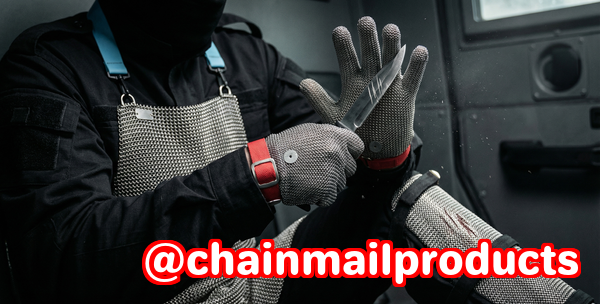
Whether you’re evaluating a piece for serious safety applications or just looking to add a finishing touch to your costume, it’s crucial to understand how to spot quality chainmail. This post will walk you through some of the key aspects of chainmail that often go overlooked, from material quality to ring welding, weave strength, and more.
Common Problems with Chainmail Purchases
When it comes to buying chainmail, many buyers are often caught off guard by a few recurring issues. Let’s take a look at some common pain points and how you can avoid them:
-
Welded vs. Open Rings: One of the most frequent mistakes I see is not being able to tell the difference between welded rings and open rings. Open rings, while more affordable, won’t provide the same durability and protection. A welded ring ensures that the structure stays intact and won’t unravel over time.
-
Choosing the Right Stainless Steel: Not all stainless steel is created equal. Some grades, like 304, are less resistant to corrosion compared to others, such as 316. If you’re investing in chainmail for industrial or long-term use, the material choice can make all the difference.
-
Weave Inconsistencies: The pattern and consistency of the weave is another factor that affects the chainmail’s strength. A poorly executed weave can compromise its ability to provide protection or hold up under pressure.
To help you navigate these potential pitfalls, I’ll share how to properly inspect and evaluate chainmail for yourself. By following these simple steps, you’ll have the confidence to make informed decisions, ensuring that you only buy products that meet safety and durability standards.
How to Inspect and Evaluate Chainmail Quality
Evaluating chainmail isn’t as complicated as it may seem. With just a few key techniques, you can identify high-quality products that are both durable and safe.
1. Material Check: 304 vs. 316 Stainless Steel
Stainless steel is the backbone of most high-quality chainmail, but not all grades are created equal. The two most common grades are 304 and 316 stainless steel. Here’s the lowdown:
-
304 Stainless Steel: A popular choice for chainmail, it’s resistant to rust and corrosion in normal conditions but may struggle in environments with high humidity or saltwater exposure.
-
316 Stainless Steel: If you plan to use your chainmail for something more demanding, like industrial work or food processing, 316 stainless steel is the way to go. It offers superior corrosion resistance and lasts longer in harsh environments.
Tip: If you’re buying chainmail for professional use, especially in environments with exposure to moisture, opt for 316 stainless steel for maximum durability.
2. Welding Check: Welded Rings vs. Open Rings
This is where most buyers get tripped up. Open rings are often cheaper but are much less reliable than welded rings. When you inspect a piece of chainmail, check the rings. If you notice any rings that seem to have a gap, it’s a sign they are open rings, and the piece will be prone to failure.
How to check: Gently pull on a few rings and look for any gaps. If they open up, the product is using open rings, and you’ll want to avoid it, especially for protective uses.
3. Wire Thickness and Ring Diameter
The strength of your chainmail isn’t just about the material but also the thickness of the wire and the diameter of the rings. Thicker wire and smaller ring diameters typically indicate stronger chainmail.
-
Wire Thickness: Thicker wire makes the chainmail more durable and resistant to cutting. When you’re inspecting, feel for the gauge of the wire. If it feels flimsy or weak, it’s likely a low-quality product.
-
Ring Diameter: The smaller the diameter of the rings, the more protection the chainmail provides. This is especially important for industrial applications like cut protection. Larger rings offer less protection, while smaller rings offer more coverage.
Pro Tip: When checking the thickness and diameter, ensure that the rings fit tightly together. Loosely fitted rings could lead to premature wear and tear.
4. Weave Patterns: European 4-in-1 Weave for Durability
The weave pattern used in the chainmail significantly affects its strength and functionality. One of the most reliable patterns is the European 4-in-1 weave, where each ring is woven through four others, creating a solid, flexible structure. This pattern ensures that the rings are evenly distributed, offering both durability and flexibility.
How to check: Inspect the weave pattern for consistency. If the rings are not aligned correctly, or if the weave looks inconsistent, it may indicate poor craftsmanship, making the chainmail weaker and more prone to damage.
Why Proper Chainmail Inspection Matters
Performing a proper inspection of your chainmail before purchasing can save you time, money, and safety risks. Here are a few reasons why it’s so important:
-
Avoiding Unsafe Purchases: A piece of chainmail that’s poorly constructed might seem like a great deal at first, but it won’t provide the protection you need. For industrial applications or cosplay where durability matters, investing in quality chainmail will keep you safe and help the product last longer.
-
Ensuring Durability: Whether you’re using it for historical reenactments or professional cut-resistant gear, chainmail needs to withstand wear and tear. By following the inspection methods outlined here, you can make sure you’re buying a product that will perform as expected.
-
Saving Money: Cheap chainmail might seem like a good deal upfront, but if it breaks down after just a few uses, you’ll end up wasting money. Invest in high-quality chainmail to avoid constant replacements and repairs.
Conclusion: How to Make the Best Chainmail Choice
To recap, proper chainmail inspection can make all the difference between a safe, durable purchase and an unsafe, flimsy one. By checking the material, welds, wire thickness, ring diameter, and weave patterns, you can ensure that your chainmail meets your specific needs.
I highly recommend following these steps to guarantee that your next chainmail purchase lives up to your expectations. If you’re still unsure, feel free to visit Aegimesh Chainmail for further guidance and to check out our detailed inspection tools.
Learn more about identifying high-quality chainmail products: Aegimesh Chainmail
Frequently Asked Questions (FAQ)
-
How can I tell if a chainmail ring is welded or open?
-
Look for a gap in the ring. If there is any visible space where the ends of the ring don’t meet, it’s an open ring. Welded rings will be solid, with no gaps.
-
-
Which stainless steel grade is best for long-lasting chainmail?
-
For high corrosion resistance, 316 stainless steel is ideal, especially for industrial or food-processing uses. For general use, 304 stainless steel is often sufficient.
-
-
How do I inspect the weave pattern for strength?
-
Check if the weave is consistent. A strong pattern like European 4-in-1 should have tightly interwoven rings with no irregular gaps or spaces.
-
-
What are the signs of low-quality or unsafe chainmail?
-
Look for weak welds, open rings, inconsistent weave patterns, and thin or flimsy wire. These all indicate that the chainmail might not be safe or durable enough for your needs.
-
-
Can decorative chainmail be used for protective purposes?
-
Decorative chainmail is usually made with open rings or less durable materials, making it unsuitable for protective applications. Always check the quality if protection is a concern.
-
-
How do I choose the right chainmail for industrial vs. cosplay use?
-
For industrial uses, prioritize welded rings, 316 stainless steel, and a tight weave pattern. For cosplay, you can go with decorative options, but ensure the aesthetic meets your needs.
-
Tags & Keywords
-
Chainmail quality
-
Welded rings
-
Stainless steel chainmail
-
Cut-resistant chainmail
-
Chainmail inspection
-
European 4-in-1 weave
-
Chainmail durability