
Steel Metal Chainmail for Industrial Buyers: How to Spot Quality and Avoid Costly Mistakes
When purchasing chainmail for industrial use or personal protection, it can be overwhelming to choose between so many options. How do you know which ones are genuinely high-quality and will provide the durability and safety you need? After all, a chainmail purchase for industrial work or cosplay is an investment, and making the wrong decision can cost you time, money, and even safety.
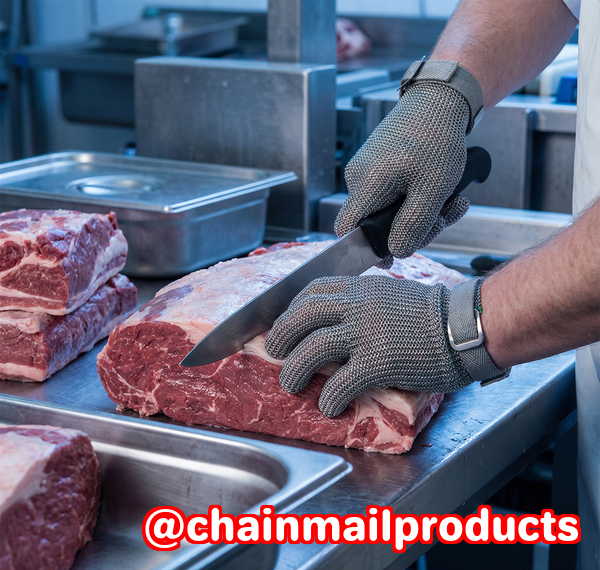
In this guide, I’m going to walk you through exactly how to evaluate the quality of steel chainmail products, whether you need it for industrial purposes like cut protection, food handling, cosplay, or as part of a historical collection. By the end of this post, you’ll feel confident in your ability to assess chainmail and know exactly what to look for when you’re buying.
Common Pitfalls to Watch For When Evaluating Chainmail
When it comes to evaluating the quality of chainmail, it’s easy to make mistakesespecially if you’re not familiar with the details. Buyers, collectors, and industrial users often face these common challenges:
-
Difficulty identifying welded rings from open rings: Some sellers may try to pass off low-quality open rings as welded rings, which are far more durable and secure.
-
Confusion over stainless steel grades: Stainless steel grades like 304 and 316 are commonly used, but not all grades are equally suited for all purposes. For instance, 316 stainless steel is much more resistant to corrosion, making it a better option for food processing environments.
-
Weak or inconsistent weave patterns: A chainmail’s weave can dramatically affect its strength. For example, some weaves, like the popular European 4-in-1, are more resilient, while others may leave weak points that compromise overall safety.
If you’ve experienced these challenges, don’t worryyou’re not alone. The good news is that there are ways to evaluate chainmail’s quality with a few simple steps. Let’s dive into the best practices that will help you avoid these common mistakes and ensure you get the highest-quality product.
Step-by-Step Guide to Inspecting Chainmail Quality
I’ll now walk you through the key aspects of inspecting steel chainmail and why each one matters. Whether you’re buying it for industrial protection, cosplay, or collecting, here’s how to evaluate it like a pro:
1. Check the Material Type: 304 vs 316 Stainless Steel
Stainless steel is the most common material used for chainmail, but not all stainless steel is created equal. Two of the most common grades are 304 and 316, and the difference between them can make or break your purchase.
-
304 Stainless Steel: This is the most widely used form of stainless steel for chainmail. It’s durable and corrosion-resistant but may not stand up as well in harsher environments.
-
316 Stainless Steel: If you’re using chainmail in environments that require additional corrosion resistance, such as food processing or marine environments, 316 is a better choice. It contains molybdenum, which increases its resistance to chloride, meaning it’s more durable in wet or salty conditions.
When inspecting a chainmail product, check the product description or ask the seller about the material. High-quality manufacturers, like Aegimesh Chainmail, will clearly list the material used, helping you choose the right type for your needs.
2. Inspect the Ring Welding
The strength of a chainmail product depends heavily on how the rings are joined. There are two main types of chainmail rings: welded and open. Open rings are simply linked together without welding, while welded rings are fused shut, offering far more strength and durability.
To check if the rings are welded, take a look at the edges. You should be able to see the telltale signs of a weld, where the two ends of the ring are fused together. This is important, especially for industrial use, where safety is paramount. Open rings may break under pressure, leaving you vulnerable to injury or damage.
3. Evaluate the Wire Thickness and Ring Diameter
The wire thickness and ring diameter of a chainmail product will determine its overall strength and flexibility. Thicker wire and larger rings generally offer more protection, but they can also be less flexible.
-
Wire Thickness: If the wire is too thin, the chainmail may not provide the cut protection you need. You’ll want to make sure that the wire is substantial enough for the intended use.
-
Ring Diameter: The diameter of the rings will affect how tightly they are woven together. A good rule of thumb is that the smaller the diameter of the rings, the tighter the weave, and the stronger the protection.
For maximum durability, look for products with a balance of both ring diameter and wire thickness. European 4-in-1 weave is particularly strong, as it provides maximum coverage with minimal gaps.
4. Inspect the Weave Pattern for Strength
One of the most important aspects of chainmail quality is the weave pattern. There are different styles of weaves, but some are far stronger than others.
-
European 4-in-1 Weave: This is one of the most popular and strongest weave patterns. Each ring is woven through four other rings, creating a tight, interlocking pattern. It’s a great choice for both protection and durability.
-
Other Weaves: Some chainmail products may use different patterns like 6-in-1 or 8-in-1, which are also strong. However, the most commonly used for industrial protection is European 4-in-1 because it offers a perfect balance of flexibility and durability.
When inspecting the weave, look at the tightness of the rings and the consistency of the pattern. A poorly woven product will have irregular gaps or loose rings, which can compromise its protective qualities.
5. Perform a Simple Pull Test
A quick way to check the durability of a chainmail product is to perform a pull test. Gently pull on the rings in different areas of the chainmail to see if they hold firm. If you notice any rings slipping or becoming loose, the product may not be strong enough for your needs.
This test is especially useful for verifying whether the welds are strong and whether the weave is properly interlocked. If you’re buying chainmail for industrial protection, this is a must-do check.
6. Watch for Signs of Corrosion or Poor Craftsmanship
Corrosion can weaken the chainmail, making it less effective for protection. For stainless steel, look for any discoloration, rust spots, or pitting on the surface of the rings. Even small signs of corrosion can indicate that the chainmail isn’t properly treated or that it will degrade over time.
Also, examine the overall craftsmanship. Are the rings uniform in size? Is the weave even? Any irregularities may indicate a lower-quality product.
7. Choosing the Right Chainmail for Your Use
Not all chainmail is suitable for every application. For instance, if you’re using it for industrial cut protection, you’ll need a product that is durable and tight enough to withstand heavy use. On the other hand, if you need chainmail for cosplay or historical replicas, flexibility and aesthetics might be more important than raw durability.
When selecting a chainmail product, always keep the end use in mind. Aegimesh Chainmail offers a detailed guide to help buyers choose the right product based on the intended use, whether that’s for industrial purposes, cosplay, or collectible items.
Conclusion
Purchasing chainmail doesn’t have to be a guessing game. By following these simple steps, you can confidently evaluate the quality of any chainmail product. Whether you need it for industrial cut protection, food handling, cosplay, or as part of your collection, understanding these key aspects will ensure you’re making an informed, safe purchase.
I highly recommend following these inspection steps to guarantee that any chainmail you purchase meets your safety and durability standards. For more detailed guidance, check out Aegimesh’s comprehensive chainmail inspection guide and learn how to spot the highest-quality products.
Learn more about identifying high-quality chainmail products and check out our detailed chainmail inspection guide today.
FAQ
1. How can I tell if a chainmail ring is welded or open?
Look at the edges of the ring. A welded ring will show signs of a weld, while an open ring will have a visible gap.
2. Which stainless steel grade is best for long-lasting chainmail?
316 stainless steel is the best for environments that require high corrosion resistance, like food processing, while 304 stainless steel is perfect for general use.
3. How do I inspect the weave pattern for strength?
Look for tightly interwoven rings with no gaps. The European 4-in-1 weave is one of the strongest and most reliable patterns.
4. What are the signs of low-quality or unsafe chainmail?
Look for loose rings, irregular weaves, signs of corrosion, and thin or flimsy wire. These indicate that the chainmail may not provide adequate protection.
5. Can decorative chainmail be used for protective purposes?
While decorative chainmail may look great, it’s typically not as durable or safe as industrial-grade chainmail, which is specifically designed for protection.
6. How do I choose the right chainmail for industrial vs cosplay use?
For industrial use, prioritize strength, corrosion resistance, and tight weaves. For cosplay, focus on flexibility, aesthetics, and comfort.
7. How do I save money when buying chainmail?
By inspecting the quality carefully, you can avoid purchasing low-quality or unsafe products, saving you money in the long run.