
Steel Metal Chainmail Buying Guide for Food Industry
When it comes to purchasing steel chainmail, whether for industrial protection, food handling, or even cosplay, the decision-making process can be overwhelming. Many buyers face the challenge of distinguishing between high-quality chainmail and cheaper, lower-quality imitations. The differences, however, aren’t just about looksthey can be a matter of safety, durability, and long-term cost-efficiency. As someone who has spent a lot of time researching chainmail for various purposes, I’ve learned that knowing how to evaluate its quality is absolutely essential to making a smart purchase.
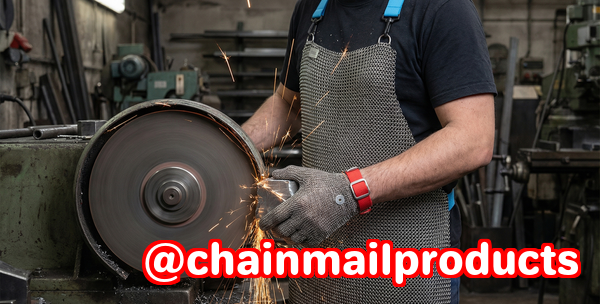
In this guide, we’ll walk through the most important factors to consider when buying chainmail, particularly for industrial food safety and cut resistance. Let’s explore how to identify the right materials, the difference between welded and open rings, the significance of weave patterns, and more. Whether you’re working in food processing or looking for cosplay chainmail that actually holds up, these tips will help you make an informed decision.
Identifying High-Quality Chainmail: Common Pain Points and Solutions
For those unfamiliar with chainmail, there are several obstacles when evaluating its quality. These hurdles include the difficulty of distinguishing between welded and open rings, understanding the different stainless steel grades, and identifying weak or inconsistent weaves. Let’s break them down:
1. Welded Rings vs. Open Rings
One of the most common mistakes when purchasing chainmail is not knowing whether the rings are welded or open. Open rings, while cheaper, are not as durable and can compromise the integrity of the chainmail, especially in high-stress applications like industrial work. They are more likely to open under tension, leaving gaps that expose the wearer to cuts.
On the other hand, welded rings provide the strength and security needed for both protection and durability. The welding process fuses the metal together at the seams, preventing the rings from opening or separating over time. If you’re using chainmail for cut protection or food handling, welded rings are a must.
How to check: Look closely at the rings. If you see a visible seam or gap, it’s likely an open ring. Welded rings will have a smooth, solid connection.
2. Understanding Stainless Steel Grades: 304 vs. 316
Stainless steel is the go-to material for chainmail because of its corrosion resistance and strength. However, not all stainless steel is created equal. There are two main grades used in chainmail: 304 and 316.
-
304 stainless steel is highly resistant to corrosion and rust but is best suited for general use. It’s a good choice for lighter applications or decorative chainmail.
-
316 stainless steel, on the other hand, is superior when it comes to resisting corrosion, especially in harsh environments like food processing or high-moisture areas. If you’re purchasing chainmail for industrial use, such as in the food industry, 316 steel is the better option.
How to check: Look for product descriptions or ask the manufacturer for specific details about the stainless steel grade. 316 stainless steel will be more resistant to corrosion, so it’s ideal for food-related environments.
3. Weave Patterns and Durability
Chainmail weave patterns affect not only the aesthetic appeal but also the strength of the product. The most common weave pattern is the European 4-in-1, which uses four rings for each link in the weave. This pattern creates a strong, flexible, and durable piece of chainmail that holds up well under stress. It’s often used in both industrial and decorative applications due to its balance of protection and comfort.
For food industries, a strong weave pattern like European 4-in-1 is essential for creating protective garments that stand up to daily use, handling sharp objects, and resisting abrasions.
How to check: Examine the pattern and how the rings interlock. If the rings are spaced too far apart or there are noticeable gaps, the chainmail may not be durable enough for your needs.
How to Inspect Chainmail for Quality: A Step-by-Step Guide
Now that we’ve discussed the common challenges in identifying high-quality chainmail, it’s time to focus on how to perform a proper inspection. Here’s a step-by-step guide to help you evaluate your chainmail purchase:
Step 1: Material Type
Start by checking the material. Ensure the chainmail is made from either 304 or 316 stainless steel, depending on your intended use. For food processing, 316 stainless steel is recommended due to its superior corrosion resistance. A simple inquiry to the seller or manufacturer should give you this information.
Step 2: Ring Inspection
Next, check the rings. As mentioned earlier, welded rings are stronger and more durable than open rings. Carefully examine the rings for any signs of separation or poor welding. In some cases, you might even be able to perform a small pull test by gently tugging on the rings to see if they hold together under tension.
Step 3: Check Ring Thickness and Inner Diameter
The thickness of the wire and the inner diameter of the rings affect the overall strength and flexibility of the chainmail. Thicker rings generally provide more protection, but they may be less flexible. For most industrial applications, you’ll want a balance between thickness and flexibility to ensure comfort without sacrificing safety.
Step 4: Evaluate Weave Pattern
Look at the overall weave pattern. A solid, consistent European 4-in-1 weave will indicate a high-quality product. If the weave appears sloppy or inconsistent, it may suggest poor craftsmanship or a lack of durability.
Step 5: Inspect for Corrosion or Damage
Finally, inspect for any signs of corrosion, particularly in areas that may be exposed to moisture. Check for rust or pitting, which can weaken the chainmail and cause it to break down faster. If the chainmail is intended for food handling, it’s crucial to ensure it is completely free from signs of rust or contamination.
Why It’s Important to Inspect Your Chainmail Carefully
Performing a thorough inspection isn’t just about making sure you’re getting your money’s worthit’s about ensuring the safety and durability of the product. Poor-quality chainmail can pose serious risks, especially in high-stakes environments like food processing or industrial work.
By carefully inspecting the material, rings, weave, and overall craftsmanship, you can:
-
Avoid unsafe purchases: Low-quality chainmail might break, tear, or fail to protect you when you need it most.
-
Ensure durability: High-quality chainmail will last longer and save you money in the long run.
-
Make informed decisions: With these tips, you can confidently choose the right chainmail for your specific needs.
Conclusion: Making the Right Choice
When buying chainmail, especially for professional or industrial use, it’s crucial to know how to evaluate quality. Look for welded rings, the correct stainless steel grade, and strong weave patterns like European 4-in-1. Don’t settle for decorative pieces that may not meet the safety standards you need.
I highly recommend following these steps to ensure any chainmail purchase meets safety and durability standards. Whether you’re in the food industry, need cut-resistant chainmail, or are looking for high-quality cosplay pieces, a little extra effort in inspecting the product can go a long way.
Learn more about identifying high-quality chainmail products: https://www.aegimesh.com/
Check out our detailed chainmail inspection guide today!
FAQs
1. How can I tell if a chainmail ring is welded or open?
Look for a visible seam. Welded rings will be smooth and continuous, while open rings will show a clear gap or separation where the ring joins.
2. Which stainless steel grade is best for long-lasting chainmail?
For food handling and industrial use, 316 stainless steel is the best option due to its superior corrosion resistance.
3. How do I inspect the weave pattern for strength?
Look for consistency in the pattern. The European 4-in-1 weave is one of the strongest and most flexible patterns, ideal for both industrial and decorative purposes.
4. What are the signs of low-quality or unsafe chainmail?
Signs include visible gaps in the rings, poor welding, rust, or inconsistent weave patterns. These all suggest that the chainmail might not hold up under stress.
5. Can decorative chainmail be used for protective purposes?
While decorative chainmail may look appealing, it is typically not strong enough to provide real protection in industrial settings. Always opt for welded rings and high-grade materials for safety.
6. How do I choose the right chainmail for industrial vs cosplay use?
For industrial use, prioritize durability, corrosion resistance, and safety features. For cosplay, aesthetics and comfort may be more important, but still look for strong weaves and quality material to ensure longevity.
Tags or Keywords
-
chainmail quality
-
welded rings
-
stainless steel chainmail
-
cut-resistant chainmail
-
chainmail inspection
-
European 4-in-1 weave
-
chainmail durability