
Ring Mesh vs Chainmail: Which One Is Easier to Manufacture?
When it comes to protective gear, cosplay armor, or even historical reenactments, chainmail is one of those iconic materials that immediately comes to mind. But if you’ve ever shopped for chainmail, you know it’s not always clear what you’re actually getting. The terms “chainmail” and “ring mesh” are often tossed around, but are they the same? And how can you tell if the chainmail you’re buying is high-quality or just a decorative imitation?
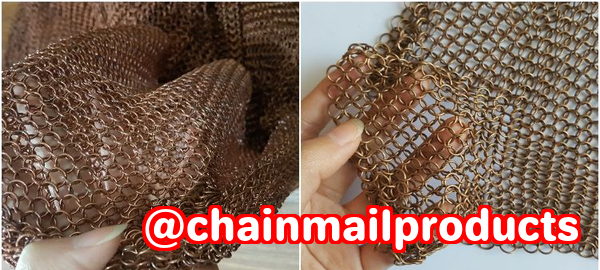
As a buyer, collector, or professional, this question is crucialbecause knowing what to look for means the difference between purchasing durable, safe chainmail and wasting your hard-earned money on something that won’t stand up to the job. Let’s dig into the differences between ring mesh and chainmail, and how you can easily identify high-quality chainmail for industrial, food processing, cosplay, and other uses.
Understanding Ring Mesh vs Chainmail
Before we dive into the nitty-gritty of how to evaluate chainmail quality, let’s clarify the difference between ring mesh and chainmail.
-
Ring Mesh refers to a fabric-like material made of interlocking rings. This mesh can be used for various purposes, from fencing to decoration, and is commonly seen in industrial applications. While the construction is similar to chainmail, it tends to be less structured and more flexible, which can be a disadvantage when used for protective purposes.
-
Chainmail, on the other hand, is a type of armor made from interlinked metal rings that form a strong, durable weave. It’s designed to protect the wearer from slashing and stabbing injuries and has been used for centuries. It’s much more rigid than ring mesh, making it an excellent choice for safety and protection.
In short, chainmail is a specific type of ring mesh. However, not all ring mesh is chainmail, and the quality of the chainmail can vary significantly depending on how it’s made.
The Challenge of Identifying High-Quality Chainmail
When shopping for chainmail, you might be faced with an overwhelming variety of products, from industrial cut-resistant gloves to decorative medieval armor. Unfortunately, not all of them are made with the same level of craftsmanship, and it’s easy to be fooled by flashy marketing or low prices. Here are some of the most common challenges I’ve encountered when evaluating chainmail:
-
Difficulty Distinguishing Welded Rings from Open Rings: Not all rings are created equal. Welded rings offer greater strength and durability than open rings, but they’re also harder to find and often more expensive. If you’re not careful, you could end up with a set of chainmail that might look good but is ultimately weak and unsafe.
-
Uncertainty About Stainless Steel Grades: There are several grades of stainless steel used in chainmail, with 304 and 316 being the most common. 304 stainless steel is the most affordable, but it’s more susceptible to rust and corrosion in harsh environments. On the other hand, 316 stainless steel is more resistant to corrosion, making it better for food processing or any industrial application that requires durability.
-
Weak or Inconsistent Weaves: If the weave pattern is inconsistent, it can cause weak spots in the chainmail. Weave patterns like European 4-in-1 are known for their strength and durability, but not all manufacturers use high-quality weaves. If you can’t verify the quality of the weave, your chainmail may fall apart under stress.
So, how can you avoid these pitfalls and make sure you’re purchasing the best chainmail for your needs?
How to Inspect and Verify Chainmail Quality
If you want to ensure your chainmail meets both safety and durability standards, the key is to conduct a proper inspection. Let’s go through the steps you can take to verify the quality of the chainmail you’re buying:
1. Check the Material Type
Chainmail made from 304 stainless steel is the most common and affordable option, but it’s not the best for all uses. If you’re looking for cut-resistant chainmail, especially in environments like food processing or heavy industrial work, then look for 316 stainless steel. It’s more resistant to corrosion and will last longer, even under harsh conditions.
2. Inspect the Ring Welding
One of the easiest ways to tell if you’re looking at high-quality chainmail is to check whether the rings are welded or open. Welded rings offer greater strength because the metal is fused together at the joint, preventing it from coming apart. On the other hand, open rings can easily be bent or pulled apart, making them a less reliable choice, especially for protective purposes.
A simple way to check this is to feel the ring. If it feels smooth and even at the joint, it’s likely welded. If you can see or feel a gap in the joint, it’s an open ring.
3. Evaluate the Wire Thickness and Inner Diameter
A strong chainmail piece will have thicker wire and consistent inner diameters for each ring. Thicker wire means greater durability, while consistent inner diameters ensure the weave holds up under stress. The wire thickness and diameter affect how well the chainmail resists cuts and abrasions, so don’t ignore these details!
4. Inspect the Weave Pattern
Chainmail is all about the weave pattern. The European 4-in-1 pattern is one of the strongest and most durable weaves, offering excellent protection against slashes and stabs. If you’re looking at chainmail armor, inspect the weave closely and ensure it’s even and tight. Gaps or irregularities in the weave can compromise the entire piece.
5. Perform a Pull Test
If you’re unsure about the durability of the chainmail, a pull test can be a good way to check the strength. Grab a few rings between your fingers and pull on them gently. A well-made piece of chainmail should feel strong and solid, with minimal movement between the rings. If the rings feel loose or come apart easily, that’s a sign the quality is subpar.
6. Watch for Signs of Corrosion
For chainmail that’s exposed to moisture (like in food handling or outdoor work), corrosion is a real threat. Inspect your chainmail for rust spots or areas where the metal appears to have worn down. Rust can quickly degrade the strength of the chainmail and make it unsafe to use.
7. Consider the Intended Use
Finally, think about what you’ll be using the chainmail for. If you’re buying decorative chainmail for cosplay or as a historical replica, some trade-offs in strength might be acceptable. However, if you’re buying chainmail for industrial or protective use, you’ll want to prioritize durability and resistance to wear and tear.
Why These Inspections Matter
Taking the time to inspect your chainmail before buying isn’t just about saving moneyit’s also about ensuring safety. Low-quality chainmail can be downright dangerous, especially in industrial settings where sharp objects are in play. By following the steps above, you’ll be able to identify high-quality chainmail that’s strong, durable, and up to the job.
I highly recommend following these steps to ensure any chainmail purchase meets safety and durability standards. It’s an investment in both your protection and your peace of mind.
Learn more about identifying high-quality chainmail products here.
Frequently Asked Questions (FAQ)
1. How can I tell if a chainmail ring is welded or open?
A welded ring has a smooth, continuous joint, while an open ring will have a visible gap or seam. If in doubt, gently pull the rings apart to see if they’re fused together.
2. Which stainless steel grade is best for long-lasting chainmail?
For long-lasting, corrosion-resistant chainmail, 316 stainless steel is your best option. It’s more durable than 304 stainless steel, especially in wet or corrosive environments.
3. How do I inspect the weave pattern for strength?
Check for consistent and tight rings in the weave. The European 4-in-1 pattern is a sign of high-quality chainmail, as it provides maximum strength and durability.
4. What are the signs of low-quality or unsafe chainmail?
Signs of poor-quality chainmail include inconsistent weaves, loose or open rings, thin wire, rust, or signs of corrosion. If the chainmail feels weak or flexible in an unintentional way, it may be unsafe.
5. Can decorative chainmail be used for protective purposes?
While decorative chainmail might look impressive, it usually isn’t suitable for protective use. It’s typically made with open rings or thinner wire, which won’t hold up to industrial use or defense against sharp objects.
6. How do I choose the right chainmail for industrial vs cosplay use?
For cosplay, focus on appearance and comfort. For industrial use, prioritize durability, material quality (like 316 stainless steel), and strength (like European 4-in-1 weave). Always perform a pull test to ensure the chainmail’s strength.
By following these tips, you can make an informed, confident decision when purchasing your chainmailwhether it’s for industrial use, cosplay, or just as a decorative piece.
Explore Aegimesh Chainmail Software at: https://www.aegimesh.com/