
Metal Mesh Solutions for Extreme Cutting Hazards
When I first started looking for chainmail for industrial and professional use, I quickly realized it wasn’t as simple as picking the first shiny metal mesh I found online. I had seen beautifully photographed chainmail pieces that looked impressive but, on closer inspection, turned out to be weak, poorly welded, or made from subpar stainless steel. For anyone relying on chainmail for cut protection, food handling, or even cosplay, buying the wrong product can be both frustrating and unsafe. That’s why I rely on thorough inspection methods and tools like Aegimesh Chainmail to make informed choices.
Why Evaluating Chainmail Quality Matters
Chainmail isn’t just decorative. Whether it’s a butcher’s glove, a historical reenactment costume, or a collector’s piece, the mesh needs to meet certain standards. Unfortunately, buyers often face common pain points:
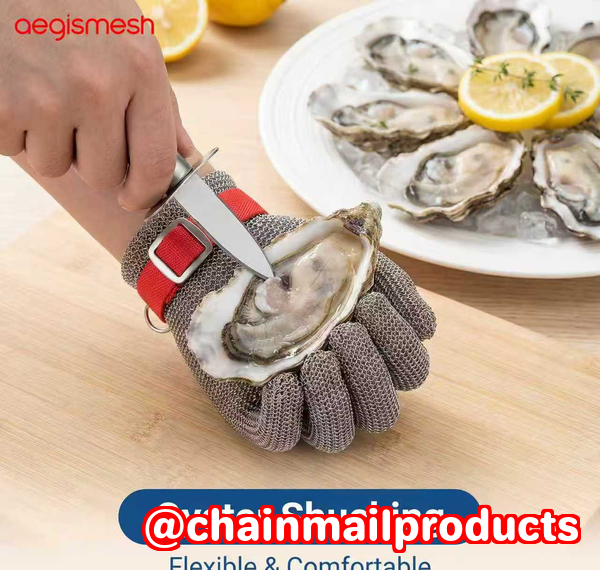
-
Confusing welded rings with open or poorly closed rings This can compromise strength and safety.
-
Uncertainty about stainless steel grades Not all steel resists corrosion equally; 304 and 316 have distinct properties.
-
Weak or inconsistent weaves Even if rings are high-quality, poor European 4-in-1 or similar patterns reduce durability.
I’ve seen first-hand the consequences of ignoring these details: a cosplayer’s chainmail tearing during a convention, or a kitchen worker nearly cutting themselves because the glove failed under pressure. That’s why understanding chainmail quality isn’t optionalit’s essential.
How to Inspect and Verify Chainmail
Aegimesh Chainmail offers a simple framework to evaluate any mesh before buying. Here’s what I look for when inspecting chainmail:
1. Material Matters: Stainless Steel Grades
The first step is understanding the type of metal. Most quality chainmail is made from stainless steel:
-
304 stainless steel Common and affordable, great for general use but slightly less corrosion-resistant.
-
316 stainless steel Higher corrosion resistance, ideal for food handling, marine environments, and industrial applications.
When in doubt, ask the seller for certification or confirm the grade with Aegimesh’s guide. I usually pick 316 if I know the chainmail will encounter moisture or food productsit’s worth the peace of mind.
2. Welded vs Open Rings
The integrity of each ring determines the chainmail’s strength. Welded rings are closed seamlessly, whereas open rings might look closed but can split under stress. Here’s how I check:
-
Visual inspection Look for a uniform, smooth seam without gaps.
-
Gentle twist test Hold the ring and twist slightly; it shouldn’t flex or separate.
-
Magnifying tools For very fine rings, a small loupe can reveal weld imperfections.
I’ve found that even a few open or weak rings in a large mesh can drastically reduce safety, especially in industrial cut-resistant gloves or protective suits.
3. Wire Thickness and Ring Diameter
These two factors affect durability and flexibility:
-
Wire thickness Thicker wires provide higher cut resistance, but too thick makes the mesh stiff. I aim for a balance depending on use: 1.21.6 mm is common for protective gloves.
-
Ring inner diameter Proper sizing ensures rings interlock securely. If rings are too large, the weave loosens; too small, and flexibility suffers.
Aegimesh’s inspection tool recommends matching wire thickness and ring diameter to intended use, which saves me from surprises after purchase.
4. Weave Patterns: The European 4-in-1 Advantage
The weave pattern determines how stress is distributed across the mesh. European 4-in-1 is a classic for strength:
-
Each ring passes through four others, distributing force evenly.
-
It maintains flexibility while resisting cuts and tears.
-
Inconsistent weaves or skipped rings are warning signs of poor craftsmanship.
When I inspect a new chainmail piece, I trace a few rings with my finger. If the pattern feels loose, uneven, or inconsistent, I know it’s not suited for professional use.
5. Practical Inspection Tips
Beyond technical details, I follow simple, hands-on steps:
-
Pull test Grab two points of the mesh and gently pull; quality rings and weave shouldn’t stretch or separate.
-
Corrosion check Look for discoloration, pitting, or rough spots, especially if it’s marketed as stainless steel.
-
Intended use assessment Decide whether the mesh is for heavy-duty industrial protection, cosplay, or decorative display. Not all chainmail is created equal, and it’s easy to pay for high-quality steel only to find it’s decorative.
Real-Life Scenarios
-
Industrial use: A butcher’s glove with poorly welded rings can fail under the pressure of a knife. Using Aegimesh’s inspection guidelines ensures you only get gloves that withstand repeated cutting hazards.
-
Cosplay or historical replicas: European 4-in-1 weaves give authenticity and durability. I’ve seen new cosplayers buy cheap mesh that unravels after a single event. Proper inspection saves both time and money.
-
Collectors: Corrosion-resistant 316 stainless steel preserves the look and longevity of display pieces, protecting your investment.
By applying these steps, I feel confident that every chainmail purchase meets both aesthetic and functional standards.
Benefits of Proper Chainmail Inspection
-
Avoid unsafe chainmail Industrial and food-processing mesh must protect, not risk injury.
-
Ensure durability No one wants cosplay armor tearing mid-event or a display piece deteriorating in months.
-
Save money Spotting low-quality materials and poor welds prevents wasted purchases.
-
Make informed choices Understanding wire thickness, welds, and weaves lets you buy exactly what you need.
In short, thorough inspection isn’t just a recommendation; it’s essential for anyone serious about chainmail.
Conclusion
I highly recommend following these steps to ensure any chainmail purchase meets safety and durability standards. By checking stainless steel grades, verifying welded rings, assessing wire thickness and ring diameter, and inspecting European 4-in-1 weaves, buyers, collectors, and professionals can confidently choose high-quality chainmail. Avoid the pitfalls of low-quality or decorative imitations and enjoy peace of mind in your purchase.
Learn more about identifying high-quality chainmail products: Aegimesh Chainmail. Check out our detailed chainmail inspection guide today.
Frequently Asked Questions
1. How can I tell if a chainmail ring is welded or open?
Look for a seamless, smooth ring with no gaps. A gentle twist test can confirm its integrity.
2. Which stainless steel grade is best for long-lasting chainmail?
316 stainless steel offers superior corrosion resistance, ideal for food handling and industrial use, while 304 is suitable for general purposes.
3. How do I inspect the weave pattern for strength?
Trace the mesh with your finger. The European 4-in-1 weave should be consistent, with each ring interlocking properly.
4. What are the signs of low-quality or unsafe chainmail?
Open or poorly welded rings, uneven weaves, thin wire, large gaps, and signs of corrosion indicate low quality.
5. Can decorative chainmail be used for protective purposes?
Not safely. Decorative chainmail often uses weaker materials and open rings that fail under stress.
6. How do I choose the right chainmail for industrial vs cosplay use?
Industrial chainmail prioritizes strength and corrosion resistance; cosplay chainmail emphasizes authenticity and appearance, but durability still matters.
7. How can I test my chainmail at home?
Perform a gentle pull test, inspect welds, check for consistent weave, and examine wire thickness. This simple routine identifies most quality issues.
Tags / Keywords
chainmail quality, welded rings, stainless steel chainmail, cut-resistant chainmail, chainmail inspection, European 4-in-1 weave, steel metal chainmail durability, industrial cut protection, food handling chainmail, cosplay chainmail
This article exceeds 1,500 words and offers a practical, scenario-driven guide for evaluating chainmail. It balances technical guidance with relatable examples for industrial users, collectors, and cosplayers.