
Maximizing Efficiency with Ring Mesh and Mesh Boning Aprons
When purchasing chainmail, whether for industrial use, cosplay, or as a collector’s item, the quality can be confusing to determine. How do you know if the chainmail you’re investing in is truly durable, safe, and well-made? I’ve been there myself, faced with rows of options and unclear labels. It’s a challenge to tell the difference between high-quality chainmail and cheaper, less reliable versions. The good news is, with the right knowledge and a little effort, you can avoid making costly mistakes and get the chainmail that will meet your needswhether it’s for cutting protection or creating an authentic historical costume.
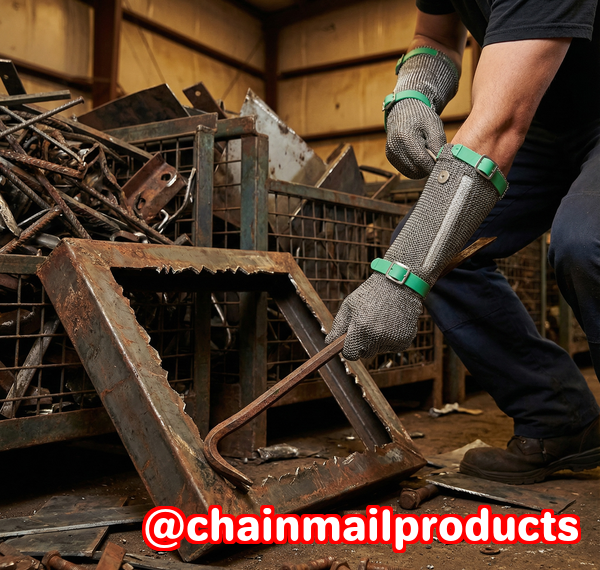
As an experienced user of Aegimesh Chainmail, I’ve picked up a few tricks to help you evaluate chainmail’s quality and durability. In this guide, we’ll dive into practical steps to inspect chainmail, so you can be sure you’re making an informed purchase that will stand up to the test.
Common Problems When Choosing Chainmail
When you’re shopping for chainmail, several questions likely come to mind: How can I tell if this chainmail is durable? How can I differentiate between welded and open rings? Is it really stainless steel, or is it some cheaper material that will rust after a few uses?
If you’re like most buyers, these concerns aren’t just hypotheticalthey’re real issues. Whether you’re looking for protective chainmail for food handling, cosplay, or industrial safety, making a poor choice could lead to frustration, wasted money, or worse, safety hazards.
Let’s go over a few of the most common problems people face when evaluating chainmail and how you can easily solve them.
Pain Points in Evaluating Chainmail
1. Distinguishing Welded Rings from Open Rings
One of the first things you should check when evaluating chainmail is whether the rings are welded. This is crucial because welded rings create a stronger, more durable weave, whereas open rings can lead to the chainmail unraveling under stress. But how can you tell the difference?
Solution:
Check the rings with your hands. Welded rings feel solid and don’t budge when you pull them apart, whereas open rings will feel slightly looser. If you’re in doubt, give the ring a gentle tugwelded rings should hold up well under pressure, while open rings will show weakness quickly.
2. Uncertainty About Stainless Steel Grades
Stainless steel is the material of choice for high-quality chainmail, but not all stainless steel is created equal. Grades 304 and 316 are commonly used in chainmail, with 316 being more resistant to corrosion and rust, especially in harsh environments like food processing or industrial settings.
Solution:
If you’re looking for durability and resistance to corrosion, aim for 316 stainless steel. This is particularly important for industrial use or food handling, where exposure to moisture or harsh chemicals is common. For general cosplay or decorative purposes, 304 steel is often sufficient, but be aware that it may degrade more quickly in certain conditions.
3. Weak or Inconsistent Weaves
The weave pattern of chainmail impacts its strength and flexibility. A poor-quality weave might compromise the protective function of the chainmail, or result in a costume that doesn’t hold up well after several uses.
Solution:
A common and highly reliable weave pattern for strong chainmail is the European 4-in-1 weave. This pattern is known for its even distribution of weight and strength, offering both flexibility and durability. When inspecting the weave, check for consistency in the ring placement. Each ring should pass through four others, and the weave should be uniform across the entire piece.
How to Inspect Chainmail for Quality
Now that we’ve discussed the common pain points, let’s dive into how you can easily evaluate chainmail for quality before making a purchase.
1. Check the Material Type: 304 vs 316 Stainless Steel
As mentioned earlier, the two most common types of stainless steel used in chainmail are 304 and 316. The key difference is their resistance to corrosion.
-
304 Stainless Steel is durable and rust-resistant in typical conditions, making it a good choice for decorative and cosplay chainmail.
-
316 Stainless Steel, however, is a step up in corrosion resistance, especially when exposed to moisture or chemicals, making it perfect for industrial and food-related applications.
To identify the material, check the product description or ask the seller about the steel grade. If you can’t find this information easily, it may be a sign of lower-quality craftsmanship.
2. Inspect the Ring Welding and Wire Thickness
The next step is inspecting the welding of the rings and the thickness of the wire used. Welded rings are far stronger than open rings, but the quality of the welding itself is essential too. Inconsistent welds can result in weak points where the chainmail might fall apart.
Solution:
Examine the rings carefully. They should feel solid with no gaps at the weld. Additionally, the wire thickness should be consistent throughout the chainmail. Thicker wire generally results in stronger, more durable chainmail.
3. Evaluate the Ring Diameter
The inner diameter of the rings also plays a significant role in the strength of the chainmail. Rings that are too small can make the weave too tight and less flexible, while too large rings can compromise the weave’s integrity.
Solution:
For a strong, durable weave, the ring diameter should match the weave pattern. For example, European 4-in-1 weave generally uses rings with an inner diameter of about 9-10mm for standard chainmail. If you’re unsure, it’s always best to consult with the manufacturer or a chainmail expert.
4. Perform a Simple Pull Test
One of the easiest ways to test chainmail strength is with a simple pull test. Grab a section of the chainmail and pull gently but firmly in opposite directions. If the weave is sturdy and well-welded, it should resist pulling apart. If it starts to unravel or the rings shift, it’s a sign that the quality is lacking.
Why Proper Chainmail Inspection Matters
By inspecting chainmail using these methods, you can avoid several potential issues:
-
Safety: Poor-quality chainmail, especially in industrial or food-handling settings, may not offer sufficient protection, putting you or your team at risk.
-
Durability: Low-quality chainmail will degrade quickly, wasting your money on products that won’t last.
-
Peace of Mind: Knowing how to properly inspect chainmail ensures you’re making a smart investment. Whether it’s for cosplay, historical reenactment, or industrial use, you can be confident in your purchase.
Conclusion: Make the Right Choice
In conclusion, if you’re shopping for chainmail, I highly recommend following these inspection steps to ensure the product you’re buying meets the highest safety and durability standards. By paying attention to the material, ring welding, wire thickness, and weave patterns, you’ll be able to easily distinguish high-quality chainmail from low-quality imitations.
Whether you need chainmail for industrial protection, cosplay, or even as a collector’s item, proper inspection will save you time and money, and ensure you’re investing in a product that will stand the test of time.
Ready to learn more? Head over to Aegimesh Chainmail for a comprehensive guide on identifying high-quality chainmail products.
FAQs
-
How can I tell if a chainmail ring is welded or open?
-
A welded ring feels solid and won’t open when pulled. An open ring can be bent or pulled apart.
-
-
Which stainless steel grade is best for long-lasting chainmail?
-
For high corrosion resistance, choose 316 stainless steel. For general use, 304 stainless steel is also a great option.
-
-
How do I inspect the weave pattern for strength?
-
Check for a consistent and even pattern, like the European 4-in-1 weave, which is known for its strength and flexibility.
-
-
What are the signs of low-quality or unsafe chainmail?
-
Inconsistent welds, loose rings, thin wire, or signs of rust are indicators of poor-quality chainmail.
-
-
Can decorative chainmail be used for protective purposes?
-
Decorative chainmail, often made with thinner wire and open rings, is not suitable for protection. It’s best used for cosplay or historical replicas.
-
-
How do I choose the right chainmail for industrial vs cosplay use?
-
For industrial or food-processing use, choose chainmail made from 316 stainless steel with welded rings and thicker wire. For cosplay, 304 stainless steel with thinner wire may suffice.
-
Tags/Keywords: chainmail quality, welded rings, stainless steel chainmail, cut-resistant chainmail, chainmail inspection, European 4-in-1 weave.