
Is Ring Mesh Better Than Chainmail for Protection?
When it comes to choosing the right protection for a taskwhether it’s for industrial use, food handling, cosplay, or historical replicasknowing how to spot quality chainmail or ring mesh can be tricky. Too often, buyers end up with products that don’t stand up to the job. As someone who’s spent time researching and evaluating various types of protective gear, I’ve seen firsthand how confusing it can be to differentiate between high-quality chainmail and low-cost imitations that can endanger safety or fail to deliver on durability.
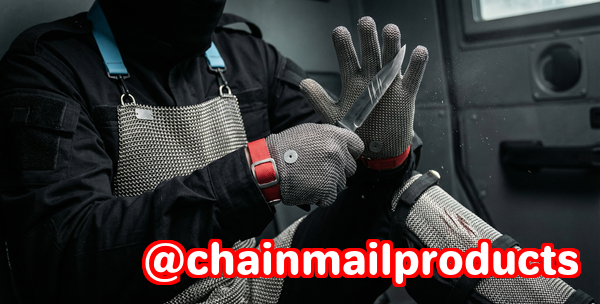
Whether you’re buying chainmail to handle sharp objects in a factory, for a medieval reenactment, or for cosplay armor, you need to ensure that what you’re getting actually delivers the protection or aesthetic you’re after. Let’s dive into why this decision is so important and how you can be sure you’re buying chainmail that meets the right standards.
The Common Struggle: Finding Genuine, High-Quality Chainmail
When purchasing chainmail, there are several common concerns that many buyers face. One of the biggest issues is simply distinguishing between the quality of products. Chainmail might look similar at first glance, but not all rings, wires, or weaves are created equal.
Many people end up buying chainmail that looks strong but is actually made from inferior materials, such as cheaper stainless steel grades or poorly welded rings that can break under stress. These issues aren’t just cosmetic; they can be downright dangerous. If you need chainmail for food processing or industrial work, a weak or poorly crafted weave could result in accidents or damage to your goods. Similarly, a cosplay piece that’s supposed to be functional or historically accurate might fall apart faster than expected.
So, how can you be sure the chainmail you’re buying is up to the task? The key lies in knowing what to look forwhether it’s inspecting the material type, evaluating the weave pattern, or checking the strength of the rings. By following a simple step-by-step guide, you’ll be able to identify which chainmail products are worth your investment.
What Makes Chainmail Quality? Key Elements You Should Inspect
When evaluating chainmail, there are a few critical factors that play a major role in its overall durability and safety. Here’s how to inspect them:
1. Material Type: Stainless Steel Grades (304 vs. 316)
The material that chainmail is made from can significantly impact its performance. The most common material is stainless steel, but not all stainless steel is the same. There are two main grades you’ll encounter: 304 and 316.
-
304 Stainless Steel: This is a general-purpose steel that’s widely used for decorative or lightweight protective applications. While it’s resistant to corrosion in many environments, it might not be ideal for high-stress or industrial use.
-
316 Stainless Steel: This grade is considered more durable and corrosion-resistant, making it ideal for food processing, industrial applications, or when exposure to moisture is a concern. If you want your chainmail to last for years, especially in tough environments, 316 stainless steel is the way to go.
2. Ring Welding: Welded vs. Open Rings
One of the most telling signs of quality is how the rings are constructed. Chainmail rings can either be welded or left open.
-
Welded Rings: These are the gold standard in chainmail. The welding process fuses the rings shut, creating a much stronger, more secure connection that resists pulling apart under stress. High-quality chainmail, especially for industrial or safety applications, should feature welded rings.
-
Open Rings: While open rings are sometimes used for lighter, decorative chainmail (such as for cosplay), they simply don’t provide the same level of protection or durability as welded rings. Be wary of products that advertise as “chainmail” but are made with open rings, as they are often weaker.
3. Wire Thickness & Inner Diameter
The thickness of the wire used for the rings also affects the strength of the chainmail. Thicker wire tends to be more durable, offering better protection. The inner diameter of the rings is just as importanttoo large, and the weave becomes looser, compromising its strength; too small, and the mail can become too stiff, making it uncomfortable or impractical to wear.
When inspecting chainmail, make sure the wire thickness and the inner diameter are appropriate for the intended use. For example, industrial cut-resistant chainmail requires thicker, sturdier rings, while cosplay or decorative chainmail may use thinner rings.
4. Weave Patterns: European 4-in-1 for Strength
The weave pattern used in chainmail plays a significant role in its durability and flexibility. One of the most common and strongest weaves is European 4-in-1, where each ring is connected to four others, creating a tight, secure structure. This weave provides excellent strength and is suitable for both protective and aesthetic purposes.
Other weaves, like 6-in-1 or 8-in-1, can offer even more protection, though they might be heavier and less flexible. The key is understanding the right weave for the jobwhether you need flexibility for cosplay or strength for industrial use.
How to Check for Quality Chainmail: Practical Tips
Now that you know what to look for, let’s get into the nitty-gritty of how to perform a chainmail inspection. It’s easy to do, and it could save you from making a poor purchase.
Step-by-Step Chainmail Inspection:
-
Perform a Pull Test: Grab a few rings between your fingers and give them a tug. If the rings are welded, they should resist the pull. Open rings will be weaker and might even come apart.
-
Look for Signs of Corrosion: Check for any visible signs of rust or discoloration. Stainless steel should resist corrosion, but low-quality or poorly maintained chainmail might show signs of degradation, especially if it’s not made from 316-grade steel.
-
Check the Weave: Run your fingers along the weave to ensure it feels secure. If there’s any noticeable looseness or rings shifting out of place, it’s a sign of poor craftsmanship. European 4-in-1 should feel tight and uniform.
-
Examine the Ring Sizes: Make sure the inner diameter is appropriate for your needs. For industrial use, rings should be thicker, with a smaller inner diameter to prevent cuts or damage. For cosplay, slightly larger rings might be acceptable for comfort and mobility.
-
Evaluate the Finish: The finish of the chainmail can tell you a lot about its quality. High-quality chainmail should have a smooth, even finish. Look for rough edges or unevenness that may indicate poor craftsmanship.
Why Proper Chainmail Inspection Matters
The benefits of knowing how to properly inspect chainmail are clear:
-
Safety: Whether you’re using chainmail for industrial protection or food processing, ensuring that the rings are welded and the material is of high quality can help prevent accidents and injuries.
-
Durability: High-quality chainmail lasts longer and performs better, saving you money in the long run by avoiding the need for replacements.
-
Peace of Mind: Knowing that your purchase meets high standards means you can trust that it will do the job you need it to dowhether that’s for protection, display, or cosplay.
I highly recommend following these steps to ensure any chainmail purchase meets safety and durability standards. The small time spent inspecting a product will pay off in the long run by saving you from the cost and hassle of poor-quality purchases.
Conclusion: Your Chainmail Purchase Checklist
By now, you should feel more confident in your ability to evaluate chainmail products and make informed decisions. Remember, it’s all about the details: from material type and welding quality to ring thickness and weave patterns, every element impacts the chainmail’s overall strength and suitability for your needs.
If you’re in the market for high-quality, durable chainmail for any purposebe it for industrial cut protection, historical replicas, or cosplayI highly recommend using these inspection tips. At Aegimesh, we provide tools and guides that help buyers like you identify high-quality products that meet your safety and durability expectations. Don’t settle for less when you can get the best.
Learn more about identifying high-quality chainmail products: Aegimesh Chainmail Guide
Frequently Asked Questions (FAQ)
-
How can I tell if a chainmail ring is welded or open?
A welded ring should feel solid with no movement at the connection point. Open rings will be loose and can come apart easily.
-
Which stainless steel grade is best for long-lasting chainmail?
For long-lasting durability, especially in harsh environments, 316 stainless steel is the preferred choice due to its superior corrosion resistance.
-
How do I inspect the weave pattern for strength?
Check for tight, uniform patterns like European 4-in-1, which is the strongest weave for most uses. Look for any irregularities or loose rings.
-
What are the signs of low-quality or unsafe chainmail?
Poor welding, weak or open rings, visible rust or corrosion, and irregular weave patterns are all indicators of low-quality chainmail.
-
Can decorative chainmail be used for protective purposes?
Decorative chainmail is typically made with open rings or lighter wire, which may not offer sufficient protection for industrial or cut-resistant uses.
-
How do I choose the right chainmail for industrial vs. cosplay use?
For industrial uses, opt for thicker wire, welded rings, and 316 stainless steel. For cosplay, you can choose lighter chainmail with decorative weaves that prioritize comfort over protection.
-
**How do I know if my chainmail is durable enough for