
How to Fit Chainmail Arm Guards Correctly
When you’re shopping for chainmail arm guards, whether it’s for personal protection or cosplay, it’s easy to feel overwhelmed by the sheer variety of options. With so many choices, how can you be sure that what you’re buying is the real deal, and not some flimsy imitation?
One common concern many people have is figuring out what makes a good quality chainmail product. I’ve heard countless stories of buyers investing in chainmail gear only to discover later that it didn’t live up to their expectations whether it was weak, uncomfortable, or not even as durable as they thought. This is where knowing how to evaluate the quality of chainmail becomes absolutely essential.
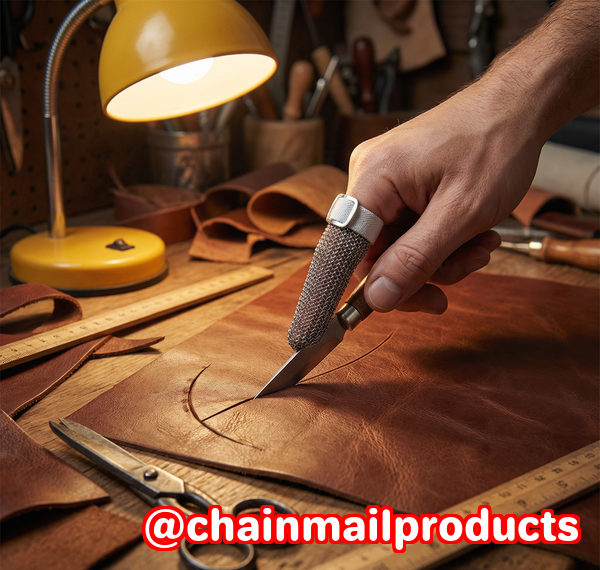
In this guide, I’m going to walk you through how to correctly fit chainmail arm guards and how to inspect them for quality, ensuring your investment is both safe and worthwhile.
Common Pain Points in Evaluating Chainmail Arm Guards
When it comes to chainmail arm guards, many buyers encounter a few specific challenges:
1. Identifying Low-Quality Chainmail
A big issue is distinguishing high-quality chainmail from lower-quality versions. Some chainmail may look impressive at first glance, but on closer inspection, it could be flimsy, poorly made, or lacking durability. You might notice that some rings are open (rather than welded), or the weave might not be as tight as it should be.
2. Understanding Material and Durability
Not all stainless steel is created equal. The grade of stainless steel used in the chainmail can make a huge difference in durability, corrosion resistance, and overall performance. It’s important to know whether you’re getting 304 or 316 stainless steel and what that means for the arm guards’ longevity.
3. Weave and Ring Quality
You might find chainmail that’s made with poor weaves, or rings that aren’t welded properly, which can impact the overall effectiveness of the arm guards. These issues can make the guards feel flimsy or even unsafe for industrial use.
These are some of the problems that many buyers face when shopping for chainmail products. So, how can you avoid these pitfalls and ensure you’re getting the best product for your needs?
Inspecting Chainmail Arm Guards for Quality
When it comes to fitting and evaluating chainmail arm guards, I recommend a hands-on approach. Here are the steps I follow to make sure I’m getting top-quality protection:
1. Material Type: 304 vs. 316 Stainless Steel
The first thing I check when inspecting chainmail is the material used. Stainless steel is the most common choice for high-quality chainmail, but there are different grades to consider.
-
304 Stainless Steel: This is the most common type of stainless steel used in chainmail. It’s durable, resistant to corrosion in most environments, and affordable. It’s perfect for casual use or light protection.
-
316 Stainless Steel: If you’re looking for something that will stand up to more extreme environments, like heavy-duty industrial work or food handling, 316 stainless steel is a better choice. It offers superior corrosion resistance, especially in salty or acidic environments.
When inspecting arm guards, I make sure the product description clearly mentions the grade of stainless steel used. If you’re unsure, ask the seller for specifics.
2. Welded Rings vs. Open Rings
One of the most important things to look for is whether the chainmail rings are welded or open. Welded rings are far stronger and more durable than open rings, which can easily come apart with stress. I’ve had issues with open rings in the past, where they started to unravel after just a few uses.
To test whether the rings are welded, try gently pulling on the links. If the rings feel like they’re separating or loosening, it’s a sign that the chainmail is likely made with open rings. Welded rings should remain firmly intact under normal use.
3. Ring Thickness and Inner Diameter
Once I’ve established that the chainmail is made with welded rings, the next step is to check the thickness of the wire and the inner diameter of the rings. These factors contribute to both the strength and flexibility of the arm guards.
-
Wire Thickness: Heavier wire gauges (thicker wire) typically offer more protection but may also make the arm guards stiffer. For protective purposes, such as industrial work, I opt for thicker wires. For decorative or cosplay uses, a thinner gauge might be more appropriate.
-
Inner Diameter: The inner diameter of the rings should be large enough to ensure the links don’t overlap too tightly but still tight enough to prevent weak spots in the weave. I typically look for a balance that ensures strength without sacrificing flexibility.
4. Weave Patterns for Durability
The type of weave used in chainmail is also critical. A popular and strong weave pattern is the European 4-in-1 weave, where each ring passes through four others. This type of weave provides excellent coverage and strength, making it ideal for arm guards. Other weaves, like 6-in-1 or 8-in-1, offer more protection but may be stiffer, which is something to consider if flexibility is important to you.
When examining the weave, look for evenness. Any irregularities or gaps in the weave could indicate poor craftsmanship or weak spots, which could compromise the overall durability.
5. Testing for Quality
Finally, I always perform a few basic tests to check the chainmail’s overall quality. Here’s a simple one I recommend:
-
Pull Test: Gently tug at a few rings to ensure they’re welded tightly. The rings should not come apart under moderate pressure. If they do, it’s a red flag.
-
Corrosion Check: Stainless steel is generally resistant to rust, but it’s still important to check for any signs of corrosion. Look for discolored spots or pitting, which could suggest poor-quality metal or exposure to harsh conditions.
Choosing the Right Chainmail for Your Use Case
Now that you know how to inspect the quality of your chainmail arm guards, it’s important to choose the right type based on your intended use. Here are some quick tips on choosing the right chainmail for different scenarios:
Industrial Use (e.g., cut-resistant)
For industrial settings, where safety is a top concern, I always recommend opting for 316 stainless steel and ensuring the weave is tight and durable, such as European 4-in-1. These arm guards will provide the best protection against cuts and abrasions while standing up to the wear and tear of a professional environment.
Food Handling or Processing
If you’re working in food processing, I recommend 316 stainless steel for its superior resistance to corrosion from acids or cleaning chemicals. Look for tightly woven chainmail, and make sure it’s easy to clean.
Cosplay or Historical Reenactments
For cosplay or historical reenactments, 304 stainless steel should be sufficient. Comfort and appearance are often the priorities in these cases, so a lightweight weave, such as 4-in-1, is a good choice.
Conclusion
Properly fitting and evaluating chainmail arm guards is crucial to ensuring your safety and comfort. By following the inspection methods I’ve outlined checking the material, ring welding, wire thickness, and weave patterns you can confidently select high-quality, durable arm guards that meet your needs.
I highly recommend following these steps to ensure any chainmail purchase meets safety and durability standards. If you’re in the market for top-tier chainmail, you can always rely on Aegimesh products, which adhere to the highest quality standards in the industry.
Learn more about identifying high-quality chainmail products: Aegimesh Chainmail Guide.
FAQ
1. How can I tell if a chainmail ring is welded or open?
Look for signs of separation when gently pulling on the rings. If the rings stay together, they’re welded. If they loosen, they’re open.
2. Which stainless steel grade is best for long-lasting chainmail?
For durability and corrosion resistance, 316 stainless steel is ideal, especially in industrial or food-processing environments.
3. How do I inspect the weave pattern for strength?
Check if the rings are evenly woven. The European 4-in-1 weave is particularly strong and durable for arm guards.
4. What are the signs of low-quality or unsafe chainmail?
Signs of poor-quality chainmail include loose rings, gaps in the weave, and rust or corrosion. If the weave is uneven, it’s a warning sign.
5. Can decorative chainmail be used for protective purposes?
While decorative chainmail may look great, it’s typically not as durable or protective as chainmail made for safety. Always inspect it closely for quality if you plan to use it in high-risk environments.
6. How do I choose the right chainmail for industrial vs cosplay use?
For industrial use, opt for thicker wire and 316 stainless steel. For cosplay, you can use 304 stainless steel with a lighter weave for comfort and appearance.