
Exploring the Strength of Ring Mesh vs Chainmail
When it comes to purchasing chainmail, whether for cosplay, industrial use, or even for display purposes, one of the most common challenges buyers face is distinguishing high-quality products from low-quality imitations. You might be wondering: “How do I know if this chainmail will actually offer the protection or durability I need?” It’s easy to be fooled by shiny materials or attractive prices, but without knowing what to look for, you could end up with a product that’s more decorative than functional.
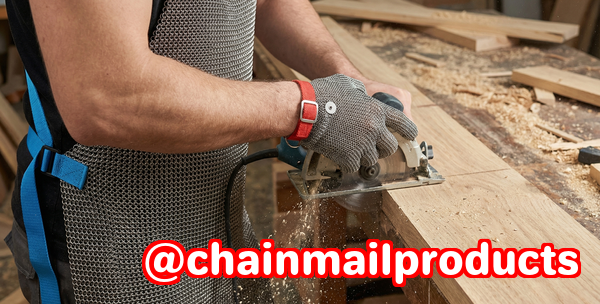
That’s where knowing the difference between ring mesh and traditional chainmail comes in. This article will guide you through the key aspects of chainmail quality, from identifying welded rings to choosing the right stainless steel grade. We’ll also walk you through practical inspection tips to ensure you’re buying a product that meets your needs and expectations.
Common Pain Points When Evaluating Chainmail
The problem many buyers encounter is the sheer number of factors that can affect the quality and suitability of chainmail. Whether you’re in need of cut-resistant chainmail for industrial protection or historical replicas for your cosplay, understanding how to assess the materials, weave patterns, and construction can make a significant difference. Let’s go over a few common issues that buyers face and how you can easily avoid them.
-
Welded vs Open Rings: One of the most confusing aspects of chainmail inspection is determining whether the rings are welded or open. Open rings are often weaker and more prone to falling apart, while welded rings provide added strength and durability. This is crucial for products meant to offer any kind of protection, like industrial or cut-resistant chainmail.
-
Material Choices: Not all stainless steel is created equal. If you’re looking for chainmail that will last, you’ll need to know the difference between 304 and 316 stainless steel. While both are highly corrosion-resistant, 316 stainless steel offers superior protection in harsher environments like marine settings or food processing, where exposure to moisture and chemicals is more common.
-
Weave Quality: The strength of the weave pattern directly impacts the durability and flexibility of your chainmail. For example, the European 4-in-1 weave is known for its robustness and ability to handle heavy impacts. Unfortunately, not all weaves are created equal, and poor craftsmanship can result in a product that’s weaker than it looks.
How to Inspect Chainmail Like a Pro
Now that we’ve highlighted the common pain points, let’s move on to practical advice on how to inspect chainmail for quality. Here are some simple but effective steps you can take when evaluating a product:
-
Check the Material: Start by determining if the chainmail is made from 304 or 316 stainless steel. Both are corrosion-resistant, but 316 steel will offer you better performance, especially in more demanding environments. If you’re uncertain, ask the seller for more information or check for a label that specifies the grade.
-
Inspect the Rings: A quick visual check will tell you whether the rings are welded or open. If the rings appear smooth and uniform at the joints, they are most likely welded. Open rings will show visible gaps and may be more easily bent or pulled apart with minimal force.
-
Measure Wire Thickness and Inner Diameter: The thickness of the wire and the diameter of the rings are important factors for determining durability. Thicker wire typically leads to stronger chainmail, while a larger inner diameter can increase flexibility. However, larger diameters might also reduce the overall strength of the weave.
-
Evaluate the Weave Pattern: The European 4-in-1 weave is a classic choice for its strength, but some manufacturers might use a 6-in-1 or 8-in-1 pattern to increase the chainmail’s resistance. Make sure to check if the weave is tight and uniformloose or uneven weaves indicate poor craftsmanship and reduced durability.
-
Conduct a Pull Test: This simple test involves pulling on the rings to check if they hold firm. If the chainmail shows any signs of bending, separating, or stretching under pressure, you may want to reconsider your purchase. This test will give you a sense of how well the product is constructed and whether it can withstand the demands of your intended use.
-
Look for Signs of Corrosion: Even if the product looks shiny and new, it’s important to check for early signs of corrosion. This is especially important if the chainmail is meant for food processing or marine use. Corrosion not only weakens the material but also makes it unsafe for certain applications.
Why Inspection Matters
Proper inspection isn’t just about avoiding poor craftsmanshipit’s also about ensuring that the chainmail is safe and functional for its intended use. For industrial applications, like cut protection, low-quality chainmail can lead to accidents or injuries. For cosplay or decorative purposes, while safety isn’t as critical, durability still matters. You don’t want to spend time and money on a product that falls apart after a few uses.
In addition to safety and durability, taking the time to inspect chainmail can save you money in the long run. By identifying low-quality products before you purchase them, you avoid wasting money on items that won’t last or perform as expected. This is particularly important for buyers who are investing in high-end, specialized chainmail for professional or personal use.
Conclusion: How to Ensure You Get the Best Chainmail
In summary, inspecting chainmail before purchasing it can help you make an informed decision and ensure you’re buying a product that meets your needs. Whether you’re seeking industrial-grade protection, cosplay armor, or decorative pieces, checking the material, welds, wire thickness, ring diameter, and weave pattern will help you identify a high-quality product.
I highly recommend following these steps to ensure that your chainmail purchase meets the safety and durability standards required for your intended use. Don’t rush into a purchasetake the time to evaluate your options carefully.
For more detailed guidance on identifying high-quality chainmail products, check out our full chainmail inspection guide here.
FAQ
-
How can I tell if a chainmail ring is welded or open?
Look for visible gaps or spaces at the joints. Welded rings will have smooth, uniform joints, while open rings will be more prone to separating.
-
Which stainless steel grade is best for long-lasting chainmail?
316 stainless steel is generally better for durability, especially in environments with high moisture or exposure to chemicals. However, 304 stainless steel can still offer good performance for most purposes.
-
How do I inspect the weave pattern for strength?
Check if the weave is tight and consistent. European 4-in-1 is a reliable pattern, but ensure it’s well-executed for maximum strength.
-
What are the signs of low-quality or unsafe chainmail?
Signs include open rings, inconsistent weave patterns, rust, corrosion, or weak welds. These factors can compromise the strength and durability of the chainmail.
-
Can decorative chainmail be used for protective purposes?
While decorative chainmail might look great for cosplay or as a display piece, it often lacks the strength and durability needed for protective uses. Always check the quality before relying on it for safety.
-
How do I choose the right chainmail for industrial vs. cosplay use?
For industrial use, prioritize welded rings, thicker wire, and higher-grade stainless steel like 316. For cosplay or decorative purposes, focus on the appearance and comfort, with less emphasis on strength.
Keywords: chainmail quality, welded rings, stainless steel chainmail, cut-resistant chainmail, chainmail inspection, European 4-in-1 weave