
Exploring Steel’s Durability for Chainmail Armor
When you’re in the market for chainmail, whether for protection in a hazardous work environment, historical reenactment, cosplay, or just a unique addition to your collection, one thing is always on your mind: how do you know if you’re getting a high-quality product? Let’s face itpurchasing chainmail can be confusing. The sheer variety of materials, styles, and grades of steel can leave you wondering if you’re making the right choice.
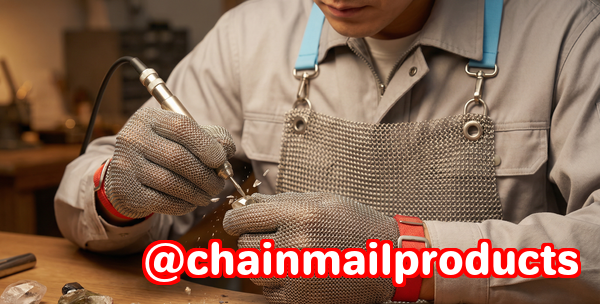
From flimsy decorations that might break under pressure to industrial-grade armor that could potentially save your life, understanding the differences is crucial. But don’t worrythis guide will help you spot the signs of well-crafted, durable chainmail. We’ll go over everything you need to know to avoid low-quality or unsafe purchases, saving you both money and potential headaches in the long run.
Understanding Chainmail Quality: Key Factors to Consider
Buying chainmail isn’t as simple as picking the first set you see. If you’re like many buyers, you may find it hard to distinguish between chainmail that’s made for display and chainmail that’s built to last. So, how do you tell the difference? Let’s dive into some common issues people face when evaluating chainmail, and how to ensure you’re getting a solid product every time.
1. Welded vs Open Rings: A Crucial Distinction
One of the most common pitfalls in purchasing chainmail is confusing welded rings with open rings. While open rings might be fine for decorative purposes, they won’t hold up well under stress or force. Welded rings, on the other hand, are far stronger and more durableperfect for industrial or protective uses.
Tip: Inspect the rings closely. Welded rings will look seamless, while open rings will have a small gap that can be spotted with the naked eye. You can also gently pull on the ringsif they separate, it’s a sign they are open rings.
2. Choosing the Right Stainless Steel Grade: 304 vs 316
When it comes to stainless steel chainmail, not all grades are created equal. For example, 304 stainless steel is commonly used in decorative pieces, but it’s more prone to rust and corrosion when exposed to harsh conditions. On the other hand, 316 stainless steel is much more resistant to rust and corrosion, making it ideal for industrial or food-processing applications.
Tip: Look for labels or ask the seller which grade of steel was used. For high-durability chainmail, go with 316 stainless steel. It’ll last much longer, especially if you’re using it for industrial applications or outdoor wear.
3. Ring Thickness and Inner Diameter: Smaller Details Matter
The thickness of the wire used for the rings and the inner diameter of each ring can make a huge difference in the strength and flexibility of the chainmail. Thicker rings will be more durable but less flexible, while thinner rings will be lighter but less protective. Additionally, the inner diameter should be large enough to allow for easy movement but tight enough to prevent rings from slipping out of place.
Tip: Use a caliper or a ruler to measure the thickness of the wire and the inner diameter of the rings. The more consistent these measurements are across the piece, the better the overall quality.
4. Weave Patterns: European 4-in-1 for Strength
Weave patterns are another vital factor in determining the strength of your chainmail. The European 4-in-1 pattern, where each ring passes through four others, is one of the strongest and most commonly used patterns for armor. It distributes force evenly, providing excellent protection against cuts.
Tip: Check the weave patternEuropean 4-in-1 should be clear, with each ring passing through four others. If the weave looks inconsistent or loose, it may not provide the protection you need.
Practical Steps for Inspecting Chainmail Quality
Now that you know what to look for in terms of materials and construction, let’s go over some practical steps you can take to ensure you’re purchasing a high-quality chainmail product.
1. Perform a Pull Test
One of the easiest ways to check the durability of chainmail is to do a simple pull test. Gently tug on several rings to see if any come loose or break. If the rings feel flimsy or weak, it’s a red flag that the chainmail might not be able to withstand much force.
2. Check for Signs of Corrosion
Especially with stainless steel chainmail, look for signs of rust or discoloration. Even minor rust spots can weaken the metal and compromise its durability. If you notice any corrosion, it’s best to avoid the product altogether.
3. Inspect Craftsmanship and Finish
Examine the overall craftsmanship of the piece. Is the chainmail evenly constructed, or do you notice areas where the rings are poorly welded or uneven? A well-made piece should look neat and uniform. Any visible imperfections or inconsistencies are a sign of poor craftsmanship.
4. Know Your Intended Use
Before buying chainmail, it’s essential to understand what you’ll be using it for. If you’re purchasing for industrial use, you’ll need durable, cut-resistant chainmail that can withstand heavy wear. For cosplay or historical reenactments, aesthetics might be more important, but durability should still be a priority.
Tip: Ask the seller about the intended use of the product. If you’re using chainmail for safety, make sure it’s made with industrial-grade materials like 316 stainless steel, with welded rings and a European 4-in-1 weave pattern.
Conclusion: Make Informed Decisions When Buying Chainmail
When it comes to chainmail, quality really does matter. Whether you’re looking for industrial-grade protection or a display piece for your home, knowing how to inspect the material, welds, thickness, and weave pattern is key to making an informed decision.
I highly recommend following these steps to ensure any chainmail purchase meets safety and durability standards. Whether for cut-resistant work gear, cosplay, or collectibles, you’ll be able to spot the difference between high-quality, well-made chainmail and low-quality imitations.
If you want more tips on evaluating chainmail or need a reliable guide, check out our detailed chainmail inspection guide today: Aegimesh Chainmail Guide.
FAQ
Q1: How can I tell if a chainmail ring is welded or open?
A: Simply inspect the rings. Welded rings will appear seamless, while open rings will have a visible gap. You can also pull on them to test their durability.
Q2: Which stainless steel grade is best for long-lasting chainmail?
A: For maximum durability, choose 316 stainless steel. It’s highly resistant to corrosion and rust, making it perfect for industrial and protective uses.
Q3: How do I inspect the weave pattern for strength?
A: Look for European 4-in-1 weave, where each ring passes through four others. This pattern offers excellent strength and protection.
Q4: What are the signs of low-quality or unsafe chainmail?
A: Signs include inconsistent weave patterns, open rings, thin wire thickness, rust, and poor craftsmanship. Always check the material grade and ring welding.
Q5: Can decorative chainmail be used for protective purposes?
A: Not all decorative chainmail is made for protection. Decorative pieces often use open rings and thinner wire, which won’t provide reliable defense in hazardous situations.
Q6: How do I choose the right chainmail for industrial vs. cosplay use?
A: For industrial use, look for chainmail made from 316 stainless steel with welded rings and a European 4-in-1 weave pattern. For cosplay, aesthetics may be a higher priority, but durability should still be considered.
Tags or Keywords
-
chainmail quality
-
welded rings
-
stainless steel chainmail
-
cut-resistant chainmail
-
chainmail inspection
-
European 4-in-1 weave
-
steel metal chainmail durability