
Durability and Longevity of Stainless Steel Chainmail
When purchasing chainmail for protection, cosplay, or decoration, how do you know if you’re getting a high-quality product? It’s a challenge that many buyers face, and one that can result in frustration, wasted money, or even safety risks. If you’ve ever bought chainmail and found it to be flimsy, prone to rust, or ineffective, you’re not alone. But don’t worryunderstanding the key factors in evaluating chainmail quality is easier than you might think. In this guide, I’ll walk you through how to identify durable, long-lasting stainless steel chainmail, whether you’re using it for industrial applications, food handling, or as part of a cosplay costume.
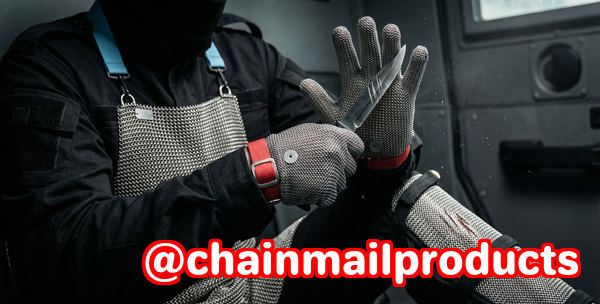
Common Pain Points When Buying Chainmail
One of the biggest issues when shopping for chainmail is distinguishing quality products from subpar ones. With so many options available online and in stores, how do you know which products will stand up to your expectations and needs? Here are some common challenges buyers face:
-
Identifying Welded vs. Open Rings: Not all rings in chainmail are welded shut, and the difference can have a big impact on durability. Open rings are cheaper but less secure, leading to potential safety concerns.
-
Understanding Stainless Steel Grades: Not all stainless steel is created equal. Grades like 304 and 316 vary in terms of resistance to corrosion and strength, which makes a huge difference in performance.
-
Weak Weaves and Inconsistent Quality: A chainmail weave is only as strong as its individual links. Some products feature poorly made weaves that can easily break or fail under stress, rendering them ineffective for protection or use in industrial settings.
Why Aegimesh Chainmail Is the Gold Standard
When it comes to ensuring your chainmail meets the highest standards of safety and durability, Aegimesh Chainmail offers a solid solution. Whether you’re buying for professional, personal, or decorative use, our guide helps you navigate the key aspects of chainmail quality.
1. Material Type: 304 vs 316 Stainless Steel
The first step in identifying high-quality chainmail is understanding the type of stainless steel used in its construction. There are different grades of stainless steel, but the two most common in chainmail are 304 and 316.
-
304 Stainless Steel: This is the most commonly used stainless steel in chainmail and works well for most non-industrial uses. However, 304 is not as resistant to corrosion as 316, especially in harsh environments like salty or wet conditions. For most collectors, cosplayers, and casual buyers, 304 should suffice.
-
316 Stainless Steel: Known for its superior corrosion resistance, 316 is ideal for environments where the chainmail will be exposed to moisture, chemicals, or saltwater. If you’re using chainmail in food processing, marine environments, or industrial applications, 316 is the better choice.
2. Welding vs. Open Rings: How to Spot the Difference
Chainmail rings can either be welded or open, and this distinction significantly impacts both durability and safety. Here’s how to tell the difference:
-
Welded Rings: These rings are fused shut using heat, which makes them much stronger and more secure. A welded ring won’t open up under pressure, which is critical for both safety and long-term use. You can typically identify welded rings by looking at the edges; they should appear smooth and uniform.
-
Open Rings: These rings are simply threaded through each other and then bent to stay in place. While open rings can be useful for decorative or lightweight purposes, they are not ideal for applications that require high durability, like cut-resistant chainmail or heavy-duty protection.
3. Wire Thickness and Ring Diameter: Strength in the Details
Once you’ve verified the steel grade and ring type, the next step is to look at the wire thickness and inner diameter of the rings. These factors directly impact the strength and flexibility of the chainmail.
-
Wire Thickness: The thicker the wire, the stronger the chainmail will be. For industrial use, you’ll want to look for thicker wires that can withstand cutting, abrasion, and other stresses. However, for cosplay or decorative pieces, you might opt for thinner wire for more comfort and flexibility.
-
Ring Diameter: The inner diameter of the rings also affects the weave’s overall strength. A smaller ring diameter will result in a tighter, more compact weave, which generally leads to stronger protection. For instance, European 4-in-1 weave, a classic and durable pattern, uses rings with an optimal diameter to balance both strength and flexibility.
4. Weave Patterns: European 4-in-1 and Beyond
The weave pattern is one of the most important aspects of chainmail strength. Different weaves offer varying levels of protection, flexibility, and durability. The European 4-in-1 weave is one of the strongest and most common patterns used in high-quality chainmail.
-
European 4-in-1 Weave: In this pattern, each ring is connected to four others, creating a strong, stable structure. It is ideal for protective chainmail and ensures that the weave won’t easily unravel or tear. The European 4-in-1 is often used in both historical and modern chainmail pieces for its effectiveness.
How to Inspect and Test Chainmail Quality
Once you know what to look for, it’s time to conduct a simple inspection to verify the chainmail’s quality. Here’s how you can do it:
-
Perform a Pull Test: Gently pull at the links in the chainmail. If the rings are welded, they should stay in place without shifting or pulling apart. Open rings may give way under slight pressure, revealing a weak spot in the chainmail.
-
Check for Signs of Corrosion: Stainless steel is resistant to rust, but that doesn’t mean it’s immune. Look closely for any signs of rust, especially in the corners or where the welds meet. Even the smallest sign of corrosion could indicate the chainmail is of lower quality or has been poorly maintained.
-
Examine the Weave Pattern: Check the weave to ensure it is tight and uniform. A poorly made weave will appear loose or uneven, and could cause the chainmail to break down much faster under stress.
Why Quality Matters: Durability and Safety
Quality matters because it directly affects the durability and safety of your chainmail. If you’re buying chainmail for protectionwhether for industrial use, food processing, or cosplaylow-quality products may not hold up under pressure, leading to potential safety risks. Inferior chainmail can fail in critical situations, leaving you exposed to cuts, abrasions, or worse. By following the steps outlined above, you can avoid these risks and ensure your chainmail will perform as expected.
Conclusion: Make Informed Chainmail Purchases
Now that you know how to evaluate chainmail, you can confidently make purchases that meet both your needs and safety standards. I highly recommend following these inspection steps to ensure that any chainmail you buy is durable, high-quality, and fit for its intended use. Don’t waste your time or money on subpar productsinvest in chainmail that will stand the test of time.
For more information and a detailed guide on inspecting chainmail, check out our resources at Aegimesh Chainmail. Learn more about identifying high-quality chainmail and make informed decisions about your purchases today.
FAQ
-
How can I tell if a chainmail ring is welded or open?
Look for smooth, uniform edges on the ringswelded rings will appear seamlessly joined, while open rings will have visible gaps or bends.
-
Which stainless steel grade is best for long-lasting chainmail?
For superior corrosion resistance, choose 316 stainless steel, especially if the chainmail will be exposed to moisture or harsh chemicals. 304 stainless steel is a good choice for general use.
-
How do I inspect the weave pattern for strength?
Examine the weave for tightness and uniformity. A strong weave like the European 4-in-1 should be compact and consistent throughout.
-
What are the signs of low-quality or unsafe chainmail?
Look for weak welds, inconsistent ring sizes, visible corrosion, or loose/weakened links. These are signs of poor craftsmanship.
-
Can decorative chainmail be used for protective purposes?
While decorative chainmail can look great, it often uses thinner wire or open rings that are not strong enough for protective purposes. Always check the material and weave type before using it for protection.
-
How do I choose the right chainmail for industrial vs cosplay use?
For industrial use, look for welded rings, thicker wire, and stronger weaves like European 4-in-1. For cosplay, you can opt for lighter chainmail with thinner wire, though you should still check for quality materials.
-
How can I maintain my stainless steel chainmail?
Keep your chainmail clean and dry to prevent corrosion. If you’re using it in a harsh environment, make sure to inspect it regularly for signs of wear or damage.
Tags or Keywords
-
Chainmail quality
-
Welded rings
-
Stainless steel chainmail
-
Cut-resistant chainmail
-
Chainmail inspection
-
Steel metal chainmail durability