
Cut-Resistant Stainless Steel Chainmail for Maximum Protection
When it comes to buying chainmailwhether for cosplay, industrial safety, or historical reenactmentsthe search for high-quality, durable, and safe products can feel like navigating a maze. I know I’ve been there myself, trying to decipher which pieces are worth the investment and which ones might leave me with more headaches than protection. Whether you’re handling heavy-duty tools in a kitchen or looking to upgrade your armor for an upcoming medieval event, knowing how to distinguish real, protective chainmail from its cheaper, weaker counterparts is key.
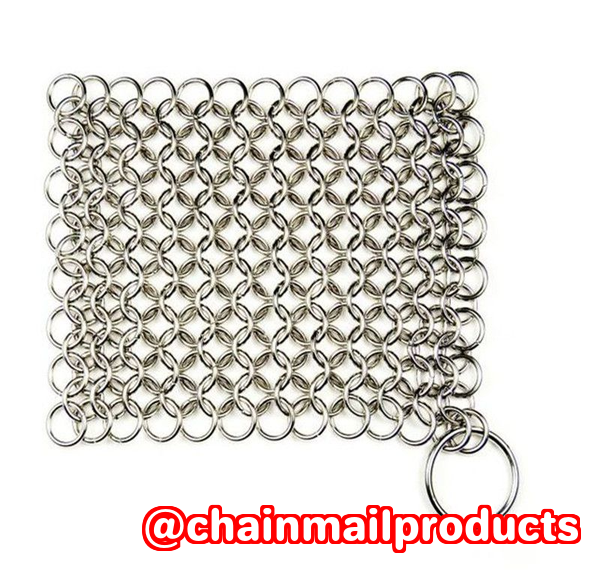
In this guide, we’ll walk through the steps to identify high-quality chainmail, focusing on the things you should look for to ensure your purchase is safe, durable, and reliable. By following a few simple inspection tips, you can save money, avoid subpar products, and ensure that your chainmail meets your specific needs.
Common Pain Points When Evaluating Chainmail
When it comes to evaluating chainmail, there are several challenges that both novice buyers and experienced users face. These include:
-
Welded Rings vs Open Rings: It’s easy to mistake open rings for welded rings, but there’s a world of difference between them. Open rings are more prone to breakage and wear, which is a major safety concern in industries like food processing or heavy-duty protection.
-
Stainless Steel Grades: Not all stainless steel is created equal. There are various grades, each with different properties. 304 stainless steel is common and relatively good, but for maximum corrosion resistance and durability, 316 is the gold standard. Understanding the difference can make or break your chainmail’s effectiveness.
-
Inconsistent Weaves: A weak weave pattern can compromise the entire chainmail’s protective qualities. If the rings aren’t tightly connected or the weave isn’t evenly distributed, you could end up with chainmail that’s far weaker than it should be, whether for protection or display.
Why Aegimesh Chainmail Is the Right Choice
This is where Aegimesh Chainmail stands out. Whether you’re looking for cut-resistant chainmail for industrial use, cosplay armor that’ll withstand the test of time, or a reliable piece for historical reenactments, Aegimesh offers solutions designed with quality and safety in mind.
Aegimesh products use the highest-quality 316 stainless steel, renowned for its resistance to corrosion and its superior durability. The welded rings ensure a strong, consistent weave that stands up to both wear and use. Whether you need chainmail for industrial protection or a historical replica, Aegimesh provides a product that won’t disappoint.
How to Inspect and Verify Chainmail Quality
When you’re in the market for chainmail, there are a few key things to look out for. Here’s a breakdown of the most important aspects to inspect:
1. Check the Material: 304 vs 316 Stainless Steel
The material of the chainmail is one of the most critical factors when evaluating its quality. While 304 stainless steel is affordable and resistant to rust in many situations, it’s 316 stainless steel that truly stands out for cut resistance and corrosion protection. If you’re looking for cut-resistant chainmail, 316 is the better option. It’s especially crucial for industrial and food-handling applications where exposure to moisture, oils, or acids could cause premature deterioration of lesser materials.
Tip: Check the product description carefully or ask the supplier about the material grade if it’s not specified. Avoid chainmail made from low-quality metals that can compromise protection or durability.
2. Inspect the Ring Welding
A simple test you can perform to assess whether the rings are welded or open is the “pull test.” Gently tug at individual rings in a small section of the chainmail to see if any come loose or feel weak. Welded rings will hold firm and won’t come apart with minimal force. Open rings, on the other hand, can easily slip out of their connectors and fall apart, rendering your chainmail ineffective.
Tip: Look closely at the welds of each ring. High-quality welded rings should have a smooth, uniform appearance, with no visible gaps or rough edges that might indicate poor craftsmanship.
3. Assess the Wire Thickness and Inner Diameter
The thickness of the wire and the inner diameter of each ring are crucial for determining both the strength and the overall weight of your chainmail. The wire should be thick enough to resist deformation or breaking under stress, but not so thick that the chainmail becomes uncomfortably heavy. Additionally, the inner diameter of the rings should be consistent throughout the entire weave.
Tip: Hold the chainmail up to a light source. You should be able to see through the gaps between the rings clearly if the chainmail is made with consistent ring diameters. If the rings look misshapen or uneven, the quality is likely compromised.
4. Evaluate the Weave Pattern
The weave pattern is another indicator of quality. One of the strongest patterns commonly used is the European 4-in-1 weave, where each ring is interlocked with four others. This creates a dense, tight weave that’s resistant to cuts and abrasions.
Tip: Inspect the pattern closely. Inconsistent or uneven weaves can compromise the integrity of the chainmail. A tight, uniform weave provides superior strength and durability, making it an excellent choice for both industrial and personal use.
5. Check for Corrosion or Signs of Wear
Corrosion can be a major issue, especially if you’re using chainmail in wet or high-humidity environments. Look for signs of rust, discoloration, or deterioration on the metal. If you find any, it could indicate poor-quality material or inadequate protective treatment.
Tip: For industrial use, corrosion resistance is critical. Chainmail used in food processing or outdoor environments must be able to resist moisture and acids. Always choose 316 stainless steel if you expect exposure to these elements.
Why Proper Chainmail Inspection Matters
When it comes to cut-resistant chainmail or protective wear, it’s not just about looking goodit’s about safety and durability. Whether you’re working with sharp tools, handling food in a kitchen, or dressing for a medieval-themed event, quality chainmail ensures that you’re protected. Poor-quality products can wear out quickly, expose you to cuts or injuries, and lead to costly replacements or repairs.
By following these inspection methods, you’re able to:
-
Avoid unsafe chainmail that could fall apart during use.
-
Ensure long-lasting durability, especially for high-demand environments like industrial or food-handling work.
-
Save money by identifying low-quality products before you make a purchase.
Conclusion: How to Ensure Your Chainmail Meets Safety and Durability Standards
In my experience, the best way to ensure you’re buying high-quality chainmail is by following a simple, straightforward inspection process. By focusing on the material, welds, wire thickness, inner diameter, and weave pattern, you can easily distinguish high-quality chainmail from cheaper alternatives. It’s a small investment of time that can save you from big headaches later, especially if your chainmail is for professional or safety-critical use.
I highly recommend following these steps to ensure any chainmail purchase meets the standards for safety, durability, and overall quality. Whether you’re buying chainmail for industrial protection, food handling, cosplay, or historical replicas, proper inspection will help you make the best decision.
For more detailed information and helpful inspection guides, check out our website at Aegimesh Chainmail.
FAQ
1. How can I tell if a chainmail ring is welded or open?
Welded rings will have a smooth, uniform appearance, with no visible gaps. Open rings can easily come apart, especially with minimal force. A simple “pull test” will help you identify whether the rings are secure.
2. Which stainless steel grade is best for long-lasting chainmail?
For maximum durability and corrosion resistance, 316 stainless steel is the best choice. It offers superior protection against rust and wear, making it ideal for industrial and food-handling environments.
3. How do I inspect the weave pattern for strength?
Look for a consistent, tight pattern like European 4-in-1. Each ring should interlock with four others, creating a dense weave that resists cuts and abrasions. Inconsistent or loose weaves can weaken the chainmail.
4. What are the signs of low-quality or unsafe chainmail?
Signs of poor-quality chainmail include uneven weaves, weak or open rings, corrosion, or irregular ring sizes. These issues can compromise the chainmail’s protective abilities.
5. Can decorative chainmail be used for protective purposes?
While decorative chainmail can look impressive, it’s often not as strong or durable as industrial-grade chainmail. For protection, look for chainmail made with high-quality 316 stainless steel and welded rings.
6. How do I choose the right chainmail for industrial vs cosplay use?
For industrial use, focus on cut-resistant chainmail made from 316 stainless steel with tight, welded rings. For cosplay, you can use decorative chainmail, but ensure it’s durable enough for the intended wear and tear.
7. How do I perform a pull test on chainmail?
Gently pull a few rings apart with your fingers to see if they hold firm. Welded rings will stay in place, while open rings may slip out. This test helps you determine whether the chainmail is durable and safe for use.
Tags: chainmail quality, welded rings, stainless steel chainmail, cut-resistant chainmail, chainmail inspection, European 4-in-1 weave