
Choosing the Right Steel for Your Chainmail Projects
When I first started working with chainmail, I was overwhelmed by the variety of products out there. Whether for cosplay, historical reenactments, or even industrial use, the options seemed endless. But what I didn’t realize was how easy it was to end up with low-quality chainmail that could be unsafe, ineffective, or even disappointing. I’ve learned the hard way that not all chainmail is made equal, and choosing the right one can make all the difference in the long run.
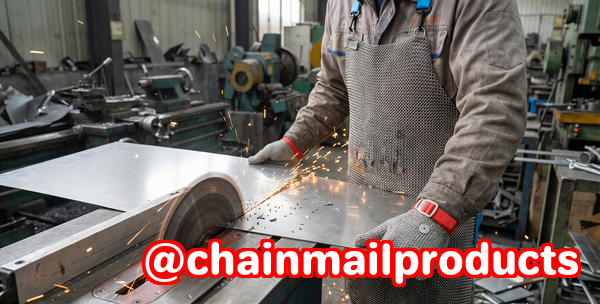
If you’re like me, you might be wondering: How do I know if the chainmail I’m buying is worth the investment? And more importantly, Is it going to keep me safe, last for years, or even look good in the process? The truth is, many buyers, collectors, and even professionals struggle with these same concerns. That’s why I’ve put together this guide to help you identify high-quality chainmail products, whether you’re looking for cut-resistant protection or an amazing display piece.
Common Pain Points When Buying Chainmail
Before we dive into the details of inspecting chainmail, let’s look at some of the common problems people face when buying it:
-
Welded Rings vs. Open Rings: One of the first things I learned was that not all rings are created equal. Open rings may look similar to welded ones at first glance, but they lack the durability and strength of welded rings. Knowing how to tell the difference is crucial.
-
Uncertainty About Material Quality: Stainless steel is a popular choice for chainmail, but not all stainless steel is created equal. The difference between 304 and 316 stainless steel is significant, especially when it comes to corrosion resistance. If you’re planning to use chainmail in harsh environments, like food processing or industrial applications, this is vital information.
-
Weak or Inconsistent Weaves: Even the best material can be undermined by poor craftsmanship. A loose weave or an inconsistent pattern can cause chainmail to fall apart or fail to provide the protection it’s supposed to.
These issues may sound intimidating, but with the right guidance, you can easily avoid them. Let’s break down how to evaluate chainmail properly, step by step.
How to Inspect Chainmail for Quality
At Aegimesh, we’ve created a detailed guide to help you inspect and evaluate chainmail to ensure you’re getting the best quality possible. Here are some essential steps you can take to make sure your purchase is worth the money.
1. Check the Material Type: 304 vs. 316 Stainless Steel
The first thing you should do when inspecting chainmail is check the material. Most chainmail is made from stainless steel, but not all stainless steel is the same. Two common grades are 304 and 316 stainless steel.
-
304 Stainless Steel: This is the most common type used for chainmail and is generally durable and rust-resistant. However, it can corrode more quickly in harsh conditions, especially in marine environments or places with high salt content.
-
316 Stainless Steel: If you need chainmail for industrial applications, food processing, or marine environments, 316 stainless steel is the better choice. It has superior corrosion resistance, making it ideal for harsher conditions.
If you’re unsure which grade to choose, I recommend asking the seller or checking the product details before buying. This small detail could make a huge difference, especially if you’re using your chainmail in demanding environments.
2. Inspect the Rings: Welded vs. Open Rings
Another key thing to look for is whether the rings are welded or open. Welded rings are much stronger and safer, as the weld ensures the rings stay closed and won’t separate over time. Open rings, on the other hand, are less durable and more prone to breaking, especially if subjected to heavy stress.
Here’s a quick way to tell the difference:
-
Welded Rings: You’ll see a small, almost invisible seam where the two ends of the ring meet. The weld should be smooth and not easily visible.
-
Open Rings: These will have visible gaps or spaces where the ends haven’t been joined together.
If you’re using chainmail for protective purposes, such as cut-resistant gloves or armor, make sure the rings are welded. It’s a must for ensuring durability and safety.
3. Evaluate the Wire Thickness and Inner Diameter
The wire thickness and inner diameter of the rings play a big role in how strong the chainmail is. Thicker wire and smaller inner diameters usually result in stronger, more durable chainmail. If the wire is too thin or the inner diameter is too large, the chainmail can feel flimsy and may not offer the protection or durability you’re expecting.
Here’s what to look for:
-
Wire Thickness: A good quality chainmail will typically use thicker wire (16-18 gauge is standard for most uses). Anything thinner might not hold up well, especially under stress.
-
Inner Diameter: The rings should fit together tightly. A larger inner diameter might give the chainmail a looser, weaker feel.
4. Check the Weave Pattern: European 4-in-1
The weave pattern of the chainmail is another critical factor in determining strength. One of the most common and durable patterns is the European 4-in-1 weave. This pattern interlocks four rings into one, providing strong connections between rings and offering greater resistance to wear and tear.
To check the weave:
-
Look for a tight, uniform pattern without any loose rings or irregularities.
-
Make sure the rings are securely connected to their neighbors, with no gaps or weak spots that could lead to breakage.
The European 4-in-1 pattern is ideal for a variety of uses, from protective gear to decorative pieces. If the weave looks messy or inconsistent, you’re likely dealing with lower-quality chainmail.
Why Proper Inspection Matters
By taking the time to inspect your chainmail, you can avoid a lot of potential problems, such as:
-
Unsafe products for industrial or food-processing use: Low-quality chainmail can break or fail when needed most. Always check for welded rings and corrosion resistance to keep yourself and others safe.
-
Durability issues in decorative or cosplay items: A loose weave or poor material choice can cause your chainmail to fall apart after a few uses, leaving you disappointed with your purchase.
-
Wasting money on low-quality items: Proper inspection helps you avoid paying for something that’s poorly made or won’t last.
Practical Tips for Inspecting Chainmail
Here are some simple steps you can follow to ensure your chainmail is of high quality:
-
Perform a Pull Test: Gently pull on the rings to see if they hold up. If they move or bend too easily, that’s a sign of poor quality.
-
Look for Corrosion or Rust: Check for any signs of rust or corrosion, especially if the chainmail is going to be exposed to moisture or harsh conditions.
-
Check the Strength of the Weave: Run your hand over the weave. If it feels loose or fragile, the chainmail might not be durable enough for its intended use.
Conclusion
After spending years in the chainmail community, I’ve learned that taking the time to inspect your chainmail carefully is the best way to avoid issues down the road. Whether you’re buying for cosplay, historical reenactments, or industrial protection, following the steps in this guide will ensure that your purchase is worth every penny.
I highly recommend following these steps to make sure that any chainmail purchase you make meets safety and durability standards. By checking the material, inspecting the rings and weave, and conducting simple tests, you’ll be able to avoid low-quality products and invest in chainmail that lasts.
For a detailed guide and more tips on identifying high-quality chainmail products, check out our full inspection guide today.
FAQs
How can I tell if a chainmail ring is welded or open?
Look closely at the ends of the rings. Welded rings will have a smooth seam where the ends are fused together, while open rings will have visible gaps.
Which stainless steel grade is best for long-lasting chainmail?
316 stainless steel is the best choice for durability and corrosion resistance, especially in harsh environments like food processing or marine use.
How do I inspect the weave pattern for strength?
Check for a tight, uniform pattern, with no loose rings or irregularities. The European 4-in-1 weave is a strong and reliable choice.
What are the signs of low-quality or unsafe chainmail?
Signs include weak, loose rings, visible gaps, rust, poor welding, or inconsistent weave patterns.
Can decorative chainmail be used for protective purposes?
It’s not recommended unless it’s specifically designed for protection. Decorative chainmail often lacks the strength needed for safety.
How do I choose the right chainmail for industrial vs. cosplay use?
For industrial use, look for welded rings, thick wire, and high-quality stainless steel (316). For cosplay, focus on appearance and comfort, but make sure the chainmail is durable enough to last through wear.
Tags/Keywords
chainmail quality, welded rings, stainless steel chainmail, cut-resistant chainmail, chainmail inspection, European 4-in-1 weave, industrial chainmail, cosplay chainmail, durable chainmail