
Chainmail Tunics for Full Upper-Body Protection: How to Choose High-Quality Chainmail for Safety and Durability
When you’re in the market for a chainmail tunic, whether for historical reenactment, cosplay, or industrial safety, it’s easy to be overwhelmed by the variety of options out there. The problem is, not all chainmail is created equal. Some products may look similar at first glance, but they vary greatly in quality, safety, and durability. This is especially concerning for buyers who need their chainmail to offer real protection in industrial or food handling environments.
I’ve often found myself, as a buyer and collector, questioning the true quality of a chainmail product. How can I be sure that what I’m buying is made with high-quality materials? How do I know it’s safe to use for industrial purposes or cosplay? If these questions sound familiar to you, you’re not alone.
In this article, I’ll walk you through how to properly evaluate chainmail tunics for safety, durability, and professional use. I’ll cover how to distinguish welded rings from open rings, the importance of selecting the right stainless steel grade, and how to inspect weave patterns. Whether you’re a collector, a professional buyer, or a cosplayer, these tips will help ensure that you get a high-quality product.
Understanding Chainmail Quality
Before diving into the inspection process, let’s take a moment to understand what makes chainmail high-quality and why it’s important. Chainmail is typically made from metal rings, woven together to form a durable mesh. The quality of the material, the way the rings are connected, and the weave pattern used will all affect the final product’s strength, flexibility, and safety.
Let’s start with some key pain points that can confuse potential buyers:
-
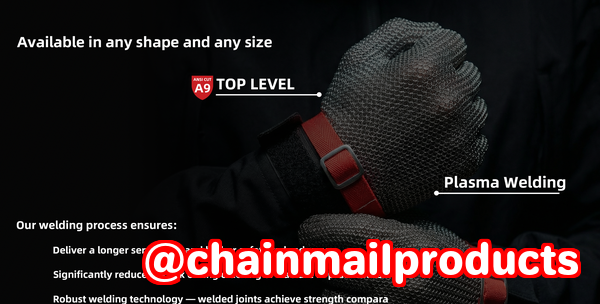
Welded vs. Open Rings: One of the most common mistakes I see buyers make is not being able to distinguish welded rings from open rings. Welded rings are far stronger and more durable, making them essential for high-quality chainmail, especially if you’re using it for protection.
-
Corrosion Resistance: When it comes to stainless steel, not all grades are equal. Certain grades are more resistant to corrosion, which is particularly important in environments like food processing or outdoor work.
-
Weave Patterns: Chainmail can be woven in different patterns, and not all of them offer the same level of protection. For example, European 4-in-1 is one of the most common and strong weaves used in industrial applications.
Chainmail Quality Inspection: A Step-by-Step Guide
So, how do you make sure that the chainmail you’re buying is up to standard? Here’s a simple step-by-step guide that will help you assess the key quality factors. By following these tips, you can be confident in your purchase and avoid low-quality or unsafe chainmail.
1. Check the Material: 304 vs. 316 Stainless Steel
The first step in inspecting chainmail is to understand the material it’s made from. Stainless steel is the most common material used in chainmail, but not all stainless steel grades are the same. For most industrial or protective uses, you’ll want to choose a chainmail tunic made from 316 stainless steel. This grade is more resistant to corrosion, which is especially important if you’re using your chainmail in food processing or harsh environments.
304 stainless steel is a bit more affordable, but it’s more prone to corrosion, especially in high-moisture conditions. So, if you want your chainmail to last longer and withstand the elements, 316 stainless steel is your best bet.
2. Inspect the Rings: Welded vs. Open Rings
This is where many buyers go wrong. A lot of low-quality chainmail products use open rings, which are weaker and less durable than welded rings. Open rings are easier and cheaper to produce, but they don’t offer the same level of protection.
Here’s how to tell the difference:
-
Welded rings will be fused together at the joint, creating a seamless, strong connection.
-
Open rings will have a visible gap where the two ends of the ring meet.
You can also perform a pull test: Grab a handful of rings from the tunic and try to pull them apart. Welded rings should hold up against significant force, while open rings will come apart more easily.
3. Examine the Wire Thickness and Ring Diameter
The thickness of the wire and the inner diameter of the rings play a big role in the strength and flexibility of the chainmail. The thicker the wire, the more durable the chainmail will be. Similarly, the inner diameter of the rings affects how tightly the chainmail is woven together. A larger diameter may make the chainmail more flexible but also weaker, while a smaller diameter creates a tighter, stronger weave.
When inspecting the rings, look for consistency in wire thickness and ring diameter. If you notice irregularities or flimsy wire, it’s a sign that the chainmail was poorly manufactured.
4. Evaluate the Weave Pattern: European 4-in-1
The European 4-in-1 weave is one of the strongest and most common weave patterns used in chainmail. It involves each ring passing through four others, creating a dense, durable mesh. This is ideal for protection, as it provides maximum coverage and flexibility.
When inspecting the weave, make sure that the rings are properly linked together in a consistent pattern. If the weave looks loose, uneven, or weak, it could compromise the overall strength and durability of the chainmail.
5. Look for Signs of Corrosion or Poor Craftsmanship
Another critical factor in chainmail quality is corrosion resistance. Stainless steel is typically resistant to rust, but it’s still important to inspect the chainmail for signs of deterioration, especially if it’s going to be used in industrial settings.
Check for any rust spots, discoloration, or weak spots where the metal may have been compromised. If you notice any of these signs, it’s a clear indication that the chainmail is of low quality or has been poorly maintained.
Why It’s Worth the Extra Effort
Performing a thorough inspection of your chainmail may seem like a lot of work, but it’s worth it for several reasons:
-
Avoiding Unsafe Chainmail: In industrial settings, using low-quality chainmail can lead to safety risks. For example, open rings or weak weaves might fail under pressure, leaving you unprotected from cuts or other hazards.
-
Ensuring Durability: Whether you’re using chainmail for cosplay or as a historical replica, you want it to last. A well-made chainmail tunic will stand the test of time, whereas a low-quality one may deteriorate quickly.
-
Saving Money: High-quality chainmail might cost a little more upfront, but it will save you money in the long run. You won’t have to replace it as frequently, and it will offer better protection and functionality.
Conclusion: My Personal Recommendation
After all of this, I highly recommend following these steps to ensure that any chainmail purchase meets safety and durability standards. Whether you’re buying for industrial use, cosplay, or as a collector’s item, taking the time to inspect the material, welding, wire thickness, and weave pattern will help you avoid purchasing low-quality products.
If you’re in the market for high-quality chainmail tunics, I suggest checking out Aegimesh Chainmail. They offer a range of products that meet the highest standards of quality and safety, with detailed inspection guides to help you make informed choices.
Learn more about identifying high-quality chainmail products at Aegimesh. Check out our detailed chainmail inspection guide today!
FAQ
1. How can I tell if a chainmail ring is welded or open?
-
Welded rings are fused together at the joint and have no gap. Open rings will have a visible gap where the ends meet.
2. Which stainless steel grade is best for long-lasting chainmail?
-
316 stainless steel is the best option for durability and corrosion resistance, especially in industrial or food-processing environments.
3. How do I inspect the weave pattern for strength?
-
Look for tight, consistent weaves with each ring passing through four others (European 4-in-1). If the weave looks loose or uneven, it’s a sign of poor quality.
4. What are the signs of low-quality or unsafe chainmail?
-
Look for open rings, inconsistent wire thickness, weak or loose weaves, and signs of corrosion.
5. Can decorative chainmail be used for protective purposes?
-
It depends on the weave and materials used. Decorative chainmail is often lighter and not as durable, so it may not offer adequate protection in industrial settings.
6. How do I choose the right chainmail for industrial vs cosplay use?
-
For industrial use, choose chainmail with welded rings, 316 stainless steel, and a tight, durable weave like European 4-in-1. For cosplay, decorative chainmail may suffice but ensure it’s still durable enough for wear.
7. What’s the best way to maintain chainmail?
-
Clean your chainmail regularly and check for signs of rust or damage. Store it in a dry, cool place to prevent corrosion.
Tags or Keywords:
-
chainmail quality, welded rings, stainless steel chainmail,