
Chainmail or Ring Mesh for Protecting Against Cuts and Stabs
When you’re on the hunt for chainmail to protect against cuts or stabs, it’s easy to feel overwhelmed. Whether you’re buying it for industrial use, cosplay, or a historical reenactment, how do you tell if you’re getting the real deal? There’s no shortage of products on the market, but many of them fall short in terms of durability, safety, and quality. So, how do you make sure your chainmail stands up to the task?
When purchasing chainmail, whether for personal or professional use, I’ve often found myself wondering: “How can I be sure this product will protect me?” With so many products out there, it’s difficult to know which ones are really worth the investment. That’s where understanding how to evaluate chainmail can make all the difference. In this guide, I’ll walk you through some essential tips for distinguishing between high-quality and low-quality chainmail, so you can be confident in your purchase.
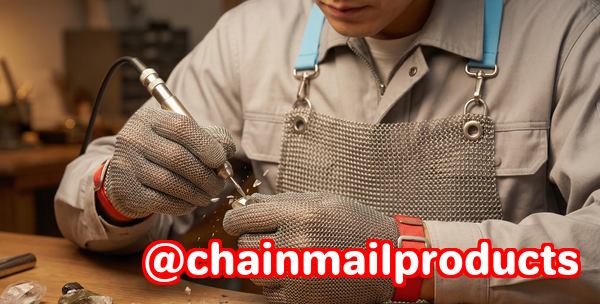
Common Pain Points When Evaluating Chainmail
There’s no denying that the world of chainmail can be a bit daunting, especially when you’re trying to determine which piece will keep you safe or look great at your next event. Here are a few of the most common pain points I’ve encounteredand I’m sure you have too:
-
Welded vs Open Rings
One of the most significant challenges when buying chainmail is distinguishing between welded rings and open rings. Open rings, though cheaper to produce, are more prone to opening under stress. Welded rings, on the other hand, provide a more secure weave and are much more durable, making them a better choice for protection.
-
Material Quality Concerns
The type of material used in the chainmail is just as important as the weave itself. Chainmail made from poor-quality metal will wear down over time or corrode, leaving you vulnerable. Stainless steel is a common material, but the grade of steel is crucial304 stainless steel is common, but 316 stainless steel is more resistant to corrosion, making it a better choice for food handling or environments exposed to moisture.
-
Weak Weaves and Durability Issues
It’s easy to overlook the weave pattern, but the design of the weave itself impacts how the chainmail holds up over time. If the weave isn’t tight or secure, it could fail during use, exposing you to cuts or stabs when you need protection the most. The European 4-in-1 weave, for example, is a time-tested pattern known for its strength and durability.
Aegimesh Chainmail offers a detailed guide and inspection tool to help buyers, collectors, and professionals evaluate the true quality of chainmail products. This step-by-step guide will help you assess materials, welds, wire thickness, ring diameters, and weave patternsensuring you avoid low-quality or unsafe purchases.
How to Inspect and Identify High-Quality Chainmail
Let’s dive into the practical steps for inspecting and verifying chainmail quality. Whether you’re using chainmail for industrial protection, cosplay, or historical displays, these simple guidelines will help you make an informed decision:
1. Inspect the Material Type
A critical first step in evaluating any chainmail is confirming the material. You’ll most commonly find chainmail made from stainless steel, but not all stainless steel is created equal.
-
304 Stainless Steel is widely available and fairly corrosion-resistant. It’s an excellent option for general protective uses.
-
316 Stainless Steel, on the other hand, is more resistant to rust and corrosion, making it ideal for applications where exposure to moisture, such as food processing, is a concern.
When you’re inspecting chainmail, ask about the material and check for any visible signs of rust or corrosion that might indicate poor-quality metal. Aegimesh Chainmail specifically uses high-grade stainless steel to ensure strength and durability.
2. Check for Welded Rings
Now, let’s talk about rings. One of the most telling signs of high-quality chainmail is whether the rings are welded or open.
-
Welded rings are more secure and durable, providing better protection in industrial settings or for long-term use.
-
Open rings, which are not welded shut, may be more prone to breaking under stress, potentially putting you at risk.
To test this, give a ring a gentle pull. If it moves apart or feels like it could break, you know it’s an open ring. A well-constructed welded ring should feel solid and secure.
3. Inspect the Wire Thickness and Inner Diameter
The thickness of the wire and the inner diameter of each ring also impact the strength and flexibility of the chainmail.
-
Thicker wire means a more durable weave, ideal for industrial protection or heavy-duty use.
-
The inner diameter of the rings should also be consistent, as uneven sizes can lead to weak points in the weave.
Aegimesh’s inspection guide provides a simple way to check these measurements. For example, you can use a caliper or ruler to measure the inner diameter and thickness of a ring to ensure it’s up to your standards.
4. Evaluate the Weave Pattern
Now, let’s talk about the weave itself. The European 4-in-1 weave is a classic pattern known for its strength and flexibility. It offers good protection against cuts and stabs while maintaining enough flexibility to be worn for long periods.
Make sure to look closely at the pattern. A tight, consistent weave is a sign of high-quality craftsmanship. If you notice any loose or inconsistent rings, you may be dealing with a lower-quality product that won’t hold up well.
The Benefits of Proper Chainmail Inspection
Taking the time to inspect your chainmail before purchasing offers several key benefits:
-
Avoiding Unsafe Purchases: Chainmail used in industrial environments must meet certain safety standards. Poor-quality chainmail could fail, leading to accidents and injuries.
-
Ensuring Durability: Whether you’re buying for cosplay or cut-resistant protection, ensuring your chainmail is made from high-quality materials will guarantee it lasts longer and performs better.
-
Saving Money: By learning how to identify low-quality chainmail, you avoid wasting money on products that won’t meet your needs.
Practical Tips for Evaluating Chainmail Quality
When you’re evaluating chainmail, here are a few quick tips to keep in mind:
-
Perform a Simple Pull Test: Gently tug on a few rings to test for sturdiness. If they don’t hold up, it’s a red flag.
-
Look for Signs of Corrosion: Even stainless steel can corrode over time if not properly treated. Look for any discoloration or rust spots on the rings.
-
Identify the Right Type for Your Needs: Different uses call for different kinds of chainmail. For example, if you’re buying for cosplay, you can prioritize looks, while industrial use demands durability.
Conclusion
In conclusion, evaluating chainmail quality doesn’t have to be difficult. By following a few simple inspection steps, such as checking for welded rings, evaluating the wire thickness, and assessing the weave pattern, you can make sure you’re getting a durable and safe product. If you’re in doubt, I highly recommend following these steps to ensure any chainmail purchase meets safety and durability standards. It’s always better to be cautious than regret a poor decision later.
If you want to learn more about identifying high-quality chainmail products, check out our detailed guide at Aegimesh Chainmail.
Frequently Asked Questions
How can I tell if a chainmail ring is welded or open?
Look closely at the ring. If the ends are fused together securely, it’s welded. If you can separate the ends, it’s an open ring.
Which stainless steel grade is best for long-lasting chainmail?
316 stainless steel is ideal for maximum corrosion resistance, especially in environments where exposure to moisture is common. For general use, 304 stainless steel is a good choice.
How do I inspect the weave pattern for strength?
Check for consistency and tightness. A strong weave, like European 4-in-1, should be even and hold together tightly without any gaps or loose rings.
What are the signs of low-quality or unsafe chainmail?
Look for signs of rust, corrosion, loose rings, or weak weaves. These are all indicators of poor-quality craftsmanship.
Can decorative chainmail be used for protective purposes?
While decorative chainmail can look great for cosplay or historical displays, it may not provide the same level of protection as functional chainmail, especially if it’s made with open rings or thinner wire.
How do I choose the right chainmail for industrial vs cosplay use?
For industrial use, focus on durability, welded rings, and thick wire. For cosplay, the focus is on appearance, so lighter, decorative chainmail can be suitable as long as it meets your visual needs.
Tags or Keywords
-
chainmail quality
-
welded rings
-
stainless steel chainmail
-
cut-resistant chainmail
-
chainmail inspection
-
European 4-in-1 weave