
Chainmail Arm Guards and Workplace Injury Prevention
When you think of chainmail, your mind might immediately jump to medieval knights or historical reenactments. But in today’s world, chainmail has found a critical role in workplace safety. Specifically, chainmail arm guards are used to protect workers from sharp objects in various industries such as food processing, manufacturing, and construction. However, finding the right type of chainmail to offer the best protection can be tricky. The market is filled with products, but not all are made equal.
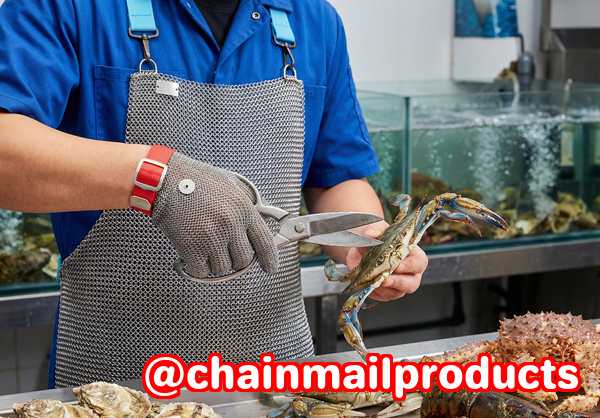
I’ve often seen buyers struggle with choosing the right chainmail, especially when it comes to evaluating quality. How can you be sure that what you’re buying is going to hold up under pressure, resist corrosion, and offer the level of protection you need? And what about durabilityis there a way to identify cheap imitations that may look good at first but fail when it counts?
The truth is, there are simple ways to evaluate the quality of chainmail and avoid low-quality, unsafe purchases. With a little guidance and know-how, you can ensure that your investment in chainmail arm guards pays off in safety, durability, and performance. Let me walk you through how to assess chainmail products and make sure you’re getting the best possible protection for your needs.
Understanding the Importance of Quality Chainmail
For industrial or workplace use, chainmail is expected to stand up to harsh conditions. Whether it’s protecting your arms from a sharp blade in a butcher’s shop or offering extra defense in a machine shop, the chainmail must be durable and reliable. The problem? Not all chainmail is made for such demanding jobs. Some might be more for display or costume use, which, though aesthetically pleasing, aren’t cut out for workplace protection.
One of the biggest mistakes I’ve seen is people purchasing chainmail without understanding the critical features that make it strong, durable, and safe. Things like the type of steel used, the construction of the rings, and the way the weave is formed can make all the difference. Let’s break down some common pain points and how you can avoid them when buying chainmail arm guards.
Pain Points When Evaluating Chainmail Quality
1. Welded Rings vs. Open Rings
This is one of the most common issues when people buy chainmail. A lot of low-quality chainmail on the market uses open rings, which are simply loops of metal that are not welded shut. While these might look fine initially, they are weaker and more likely to open up under stress. If you’re using chainmail in a high-risk environment, like food processing or heavy-duty industrial work, open rings simply won’t provide the level of protection needed.
Solution: Always look for chainmail made with welded rings. Welded rings are permanently sealed, making them far more durable and less likely to fail under stress. This simple inspection can save you from potentially dangerous situations.
2. Material Quality 304 vs. 316 Stainless Steel
Another common problem is not knowing the difference between the two most common grades of stainless steel used in chainmail: 304 and 316. While both are strong and resistant to rust, 316 stainless steel is more resistant to corrosion and is better suited for harsh environments, such as food handling or coastal regions where salt exposure is a concern.
Solution: Always check the stainless steel grade. 316 is the better choice for high-corrosion environments. It’s worth paying a little extra for this upgrade to ensure longer-lasting protection.
3. Weak or Inconsistent Weave Patterns
When it comes to the weave, chainmail should be woven tightly and consistently. The most common and strongest weave pattern is the European 4-in-1 weave, where each ring passes through four other rings. This creates a dense, sturdy weave that’s highly effective at preventing cuts. However, not all chainmail follows this pattern, and weak or inconsistent weaves can lead to gaps or less protection.
Solution: Inspect the weave pattern carefully. If the weave is loose or inconsistent, it’s a red flag. The European 4-in-1 pattern is a solid, tried-and-true design that offers superior strength. If you see anything less, it’s a sign to look elsewhere.
How to Inspect Chainmail Quality
Now that we’ve identified some common issues, let’s go over some practical steps for inspecting chainmail before you buy. These tips will help you avoid making a bad purchase and ensure you’re getting the protection you need.
1. Check the Ring Material and Weld
Take a look at the rings themselves. If you can see the ends of the rings or they look open, don’t buy it. You want to see a clean, smooth surface with no visible seams or gaps. Welded rings should have a small mark where the ends have been fused together, but there shouldn’t be any visible openings.
2. Wire Thickness and Inner Diameter
The thickness of the wire is another important factor. Thin wires can bend or break easily, while thicker wires offer more durability. Similarly, the inner diameter of the rings affects how tightly they interlock, which in turn influences the chainmail’s strength. Look for a wire that is thick enough to withstand stress and a ring diameter that’s appropriately sized for the weave.
3. Perform a Simple Pull Test
One of the easiest ways to check the quality of chainmail is to perform a simple pull test. Grasp a section of the chainmail and pull on it gently. If the rings come apart or the weave starts to loosen, then you know it’s low-quality. High-quality chainmail should be firmly held together, even under pressure.
4. Inspect for Corrosion
Corrosion is a major concern, especially if you’re working in environments where the chainmail might be exposed to moisture, chemicals, or food products. Stainless steel chainmail, especially 316 grade, is highly resistant to rust. If you notice any spots of discoloration or rust, it’s a clear sign of poor-quality material or inadequate maintenance.
5. Weave Inspection
Finally, check the weave pattern itself. The rings should interlock tightly, and the pattern should be consistent throughout the piece. A strong, reliable weave like the European 4-in-1 ensures maximum protection. If you see any areas where the weave is loose or inconsistent, consider it a sign of poor craftsmanship.
Conclusion: Ensuring Workplace Safety with Quality Chainmail
As I mentioned earlier, ensuring your chainmail is up to the task is crucial, especially in high-risk environments. Taking the time to check the qualitywhether through inspecting the material, welds, or the weave patterncan mean the difference between staying safe and facing a potentially dangerous situation.
I highly recommend following these inspection steps before making any chainmail purchase. Whether you’re purchasing for industrial safety, food handling, cosplay, or even historical reenactments, understanding what makes quality chainmail will help you make informed, cost-effective choices.
Learn more about identifying high-quality chainmail products: Aegimesh Chainmail
Check out our detailed chainmail inspection guide today.
FAQs
How can I tell if a chainmail ring is welded or open?
Look for a small weld seam where the ends of the ring meet. If the ring appears open or has a noticeable gap, it’s not welded. Welded rings are more secure and durable.
Which stainless steel grade is best for long-lasting chainmail?
316 stainless steel is the best option for durability and corrosion resistance, especially in environments where rust is a concern.
How do I inspect the weave pattern for strength?
Check for consistency in the rings’ interlocking pattern. A tightly woven European 4-in-1 pattern is the strongest and most reliable.
What are the signs of low-quality or unsafe chainmail?
Signs include visible open rings, weak welds, inconsistent weaves, thin wires, and rust or corrosion spots.
Can decorative chainmail be used for protective purposes?
Decorative chainmail often lacks the durability needed for protection, so it’s not recommended for workplace safety.
How do I choose the right chainmail for industrial vs. cosplay use?
For industrial use, prioritize durability, corrosion resistance (316 stainless steel), and a strong weave pattern. For cosplay, decorative chainmail with thinner rings may be acceptable, but check that it still provides some level of cut resistance.
Tags
-
Chainmail quality
-
Welded rings
-
Stainless steel chainmail
-
Cut-resistant chainmail
-
Chainmail inspection
-
European 4-in-1 weave
-
Chainmail durability
Explore Aegimesh Chainmail Software at: https://www.aegimesh.com/