
Chainmail Accessories That Improve Worker Confidence
When you’re in the market for high-quality chainmail, whether for industrial safety, cosplay, or as a collector’s item, the sheer number of options can feel overwhelming. You might ask yourself, “How do I know which products are really worth my money?” As a buyer, collector, or professional, you want to ensure that your chainmail is not only visually impressive but also durable and safe. Unfortunately, it’s easy to fall victim to low-quality or decorative imitations that won’t stand up to the challenges of real-world use.
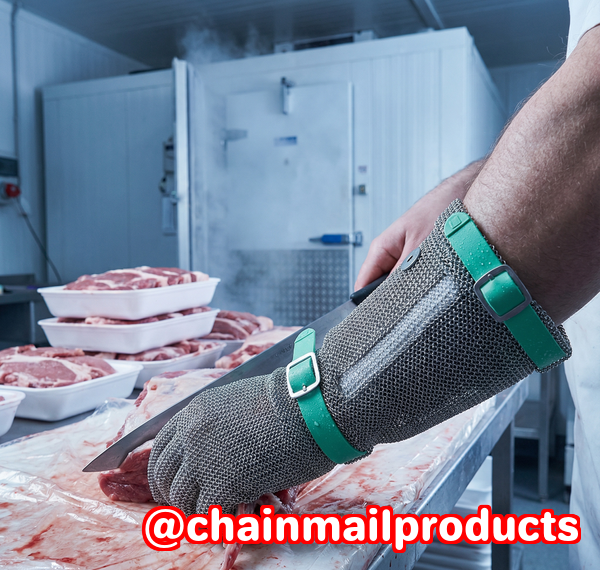
I’ve been in the same position myself, spending hours inspecting different chainmail products only to be left unsure of their authenticity and value. That’s why I’ve created this guide to help you avoid the mistakes I made and ensure you purchase top-notch chainmail that meets your needs. Whether you’re buying chainmail for industrial cut protection, cosplay, or historical replicas, this guide will help you make an informed decision, avoid unsafe products, and save your hard-earned money.
Evaluating Chainmail Quality: Common Pain Points
When it comes to evaluating chainmail, buyers often face a few key challenges. Here are some of the most common pain points, and I’ll walk you through how to tackle them:
1. Difficulty Identifying Welded Rings vs. Open Rings
One of the biggest hurdles when buying chainmail is distinguishing between welded rings and open rings. This distinction is crucial, especially for industrial use. Welded rings are far more durable and secure, making them a safer choice for high-risk environments like food processing or heavy-duty industrial work. On the other hand, open rings, while often cheaper, are more prone to breaking or unraveling, which can be dangerous.
2. Uncertainty About Stainless Steel Grades and Corrosion Resistance
Not all stainless steel is created equal. Stainless steel chainmail comes in different grades, with 304 and 316 being the most common. 304 stainless steel is fine for decorative or light-use chainmail, but it can corrode under harsh conditions, especially when exposed to moisture. On the other hand, 316 stainless steel is highly resistant to corrosion, making it ideal for industrial or food-grade chainmail.
3. Weak or Inconsistent Weaves
The strength of a chainmail piece largely depends on its weave pattern. For example, the European 4-in-1 weave is widely regarded as one of the most durable and reliable. If the weave is inconsistent, you might find areas of weakness that could compromise the chainmail’s durability and safety. A poorly constructed weave can also affect the overall weight and feel of the piece, making it less comfortable to wear.
The Aegimesh Solution: A Step-by-Step Inspection Guide
At Aegimesh, we’ve designed a comprehensive chainmail inspection tool to help you identify high-quality chainmail. This guide will help you evaluate key elements like material type, welds, wire thickness, and weave patterns to ensure you’re investing in a product that meets your needs.
1. Inspecting the Material Type: 304 vs. 316 Stainless Steel
The first step in evaluating chainmail is checking the material. Look for chainmail made from high-quality stainless steel. If you’re buying chainmail for industrial use, 316 stainless steel is your best bet for durability and corrosion resistance. You’ll often see 304 stainless steel used in lower-quality, decorative products, so be cautious of that if you’re buying for safety or long-term use.
2. Ring Welding and Wire Thickness
Next, examine the rings themselves. High-quality chainmail should have welded rings, not open rings. To check if the rings are welded, look closely at the edges of each ring. If there is a visible seam, that’s a good indicator that the rings are welded, making the piece much stronger and safer. Also, inspect the wire thicknessthicker wires are generally more durable and able to withstand more wear and tear. Aegimesh chainmail is made with thicker wires to ensure it meets industrial standards.
3. Evaluating the Ring Diameter
The diameter of the rings also plays a role in the overall strength of the chainmail. A ring that’s too large or too small can compromise the effectiveness of the weave and lead to weak spots. Ideally, the rings should fit snugly together with no gaps between them. This will provide the best protection, especially if you’re using chainmail in high-risk industries.
4. Checking the Weave Pattern: European 4-in-1
When evaluating a chainmail piece, it’s essential to inspect the weave pattern. The European 4-in-1 weave is the gold standard in terms of strength and durability. This pattern is designed to maximize protection by ensuring that each ring is connected to four others, creating a robust interlocking structure. If you notice that the weave is inconsistent or poorly executed, this could indicate poor craftsmanship, and the chainmail might not hold up in tough environments.
Benefits of Proper Chainmail Inspection
By following these inspection steps, you’ll be able to confidently purchase chainmail that offers real-world benefits, including:
-
Avoiding Unsafe Chainmail: Low-quality chainmail might not be able to withstand the wear and tear of industrial use or the dangers of food processing, putting you at risk.
-
Ensuring Durability: Properly inspected chainmail made with high-quality materials, like 316 stainless steel and welded rings, will last longer and perform better, saving you money in the long run.
-
Making Informed Purchases: Knowing what to look for means you can avoid spending on low-quality products that are only useful as decorative pieces, not for practical use.
-
Confidence in Your Purchase: Whether you’re buying for personal protection, cosplay, or historical use, you can feel confident that you’re getting exactly what you need.
Practical Tips for Evaluating Chainmail
Here are some practical tips to help you further ensure the quality of any chainmail product:
-
Perform a Simple Pull Test: Gently pull on the rings to see how easily they bend or break. Well-constructed chainmail should be difficult to pull apart.
-
Check for Signs of Corrosion: Even stainless steel can corrode if it’s not made properly. Look for any signs of rust or pitting, especially on the rings.
-
Check the Weight: High-quality chainmail will feel substantial. If it feels too light, it might not be as durable as you need.
-
Determine Appropriate Chainmail Type: Understand your intended useindustrial chainmail should be cut-resistant and robust, while decorative chainmail for cosplay might be lighter and more for show than function.
Conclusion: Get the Right Chainmail for the Job
By now, you should have a good understanding of what to look for when evaluating chainmail. Whether you’re a buyer, a collector, or a professional in need of industrial-grade protection, inspecting your chainmail thoroughly is the key to avoiding poor-quality products and ensuring your purchase meets safety and durability standards.
I highly recommend following these steps when purchasing any chainmail. You’ll save yourself the hassle of dealing with low-quality or unsafe products. Want to dive deeper into the world of chainmail inspection? Learn more about identifying high-quality chainmail products at Aegimesh.
Check out our detailed chainmail inspection guide today.
Frequently Asked Questions
1. How can I tell if a chainmail ring is welded or open?
Look closely at the edges of each ring. Welded rings have a visible seam where the ends are fused together, while open rings will have a gap where they meet.
2. Which stainless steel grade is best for long-lasting chainmail?
316 stainless steel is the best choice for long-lasting durability and corrosion resistance, especially for industrial and food-processing chainmail.
3. How do I inspect the weave pattern for strength?
Look for a consistent European 4-in-1 weave, where each ring is connected to four others. This pattern ensures maximum strength and durability.
4. What are the signs of low-quality or unsafe chainmail?
Signs include weak or inconsistent weaves, open rings, rust or corrosion, and thin wire that can bend or break easily.
5. Can decorative chainmail be used for protective purposes?
Decorative chainmail is generally not designed for protection. It’s lighter and made from thinner material, so it won’t offer the same level of safety or durability as industrial-grade chainmail.
6. How do I choose the right chainmail for industrial vs. cosplay use?
For industrial use, look for chainmail made from 316 stainless steel with welded rings and a European 4-in-1 weave. For cosplay, decorative chainmail can be lighter and more flexible but may not provide the same protection.
7. How can I test the durability of chainmail before buying it?
Perform a simple pull test, inspect for any signs of corrosion, and ensure that the weave is consistent and strong. The chainmail should feel substantial and not flimsy.
Keywords: chainmail quality, welded rings, stainless steel chainmail, cut-resistant chainmail, chainmail inspection, European 4-in-1 weave, chainmail durability