
Chainmail Accessories in Modern PPE Solutions
When you think of chainmail, you might envision knights in shining armor, medieval battles, or even fantastical cosplays. But today, chainmail isn’t just for medieval reenactments or LARPingit’s an essential component in modern personal protective equipment (PPE) solutions. If you’re shopping for chainmail products, whether for industrial use, food handling, or even cosplay, it can be difficult to separate high-quality gear from low-quality, unsafe alternatives.
How do you know you’re making the right choice? After all, the last thing you want is to spend money on something that doesn’t live up to expectations or, worse, isn’t safe. I’ve faced the same struggle when buying chainmail in the past, and I know it’s not always clear what to look for.
In this article, I’ll walk you through the essential steps for evaluating chainmail quality. By the end, you’ll know exactly how to check for the key factors that determine strength, durability, and safety. Whether you’re purchasing chainmail for industrial cut protection, food handling, cosplay, or as a collectible, these tips will help you avoid low-quality products and make a more informed purchase.
The Common Struggles of Buying Chainmail
When I first started buying chainmail, I made several mistakes that could have been avoided if I’d known what to look for. Chainmail can look similar across the board, but there are crucial differences that can make all the difference in its performance and longevity.
Here are some common struggles buyers face:
-
Welded Rings vs. Open Rings
One of the most common pitfalls is not knowing the difference between welded and open rings. Open rings are weaker and can come apart easily, while welded rings are much more durable. This difference can dramatically affect the overall strength and safety of the chainmail.
-
Stainless Steel Grade Confusion
Another issue is the confusion between different grades of stainless steel. While both 304 and 316 stainless steel are popular choices, 316 is typically more resistant to corrosion, making it a better choice for certain applications, like food handling or outdoor use. Many buyers don’t know how to distinguish between these grades.
-
Weak or Inconsistent Weaves
Not all weaves are created equal. European 4-in-1 is one of the most common and strongest weave patterns, but some manufacturers might cut corners, leading to weak or inconsistent weaves that fail under stress. If you’re using chainmail for protection or durability, this is something you’ll need to check carefully.
These are just a few of the hurdles I’ve encountered. But don’t worrythere’s a solution.
How to Inspect Chainmail for Quality
When it comes to chainmail, proper inspection is key to making sure you get the durability, safety, and value you expect. Here’s how you can evaluate chainmail for quality:
1. Check the Material Type
The first step in any chainmail inspection is to identify the material. Stainless steel is the most common option for industrial applications, and for good reason. It’s durable, corrosion-resistant, and easy to maintain.
-
304 Stainless Steel: This is the most common stainless steel used for chainmail. It’s affordable and works well in dry environments but isn’t as resistant to corrosion as 316 steel.
-
316 Stainless Steel: If you need chainmail that will be exposed to saltwater, food processing, or harsh conditions, 316 stainless steel is the better option. It’s more resistant to corrosion and rust, which can be crucial depending on the environment.
2. Examine the Rings: Welded vs. Open
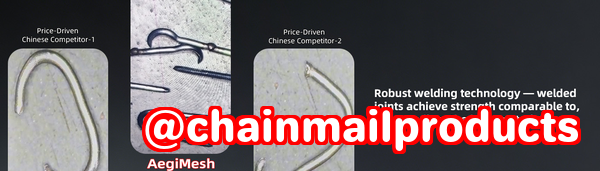
Next, it’s time to check the rings. The most significant difference between high-quality and low-quality chainmail comes down to how the rings are put together.
-
Welded Rings: These are closed off with a weld, creating a stronger, more durable connection. Welded rings are ideal for heavy-duty applications like cut protection or industrial work.
-
Open Rings: As the name suggests, these rings are not welded, which means they can separate or weaken over time. This makes them unsuitable for applications that require high strength or protection.
3. Inspect the Ring Thickness and Inner Diameter
The thickness of the wire and the diameter of the rings play a crucial role in determining the overall strength of the chainmail. A thicker wire will create stronger rings, and the inner diameter should be large enough to allow the rings to interlock properly, but not so large that the chainmail becomes too loose.
When inspecting, keep in mind:
-
Wire Thickness: Thicker wires usually mean stronger, more durable chainmail. Look for chainmail with a wire diameter of at least 1.5mm for industrial use.
-
Ring Diameter: A smaller inner diameter usually means a tighter, more secure weave, which adds strength.
4. Evaluate the Weave Pattern
One of the most iconic features of chainmail is its weave pattern. The European 4-in-1 weave is often the gold standard for strength and durability, as each ring is connected to four others, creating a tight, interlocking structure. It’s commonly used in industrial-grade chainmail, historical reenactments, and even high-end cosplay.
Other weaves, like 6-in-1 or 8-in-1, might be stronger, but they tend to be heavier and less flexible, so it’s important to choose the right pattern for your needs.
5. Perform a Pull Test
A simple but effective test you can do yourself is the pull test. Grab a section of the chainmail and give it a strong tug. If the rings hold tight and there’s no movement, that’s a good sign. If they start to separate or stretch, the chainmail is likely weak and shouldn’t be trusted for industrial or protective purposes.
6. Check for Signs of Corrosion or Rust
Corrosion and rust are signs of poor-quality chainmail or improper care. A high-quality chainmail made from 304 or 316 stainless steel should resist rust, but lower-quality materials or poorly maintained chainmail will show signs of wear much sooner.
Take a close look at any exposed areas of the chainmail for rust spots or any discoloration. This is particularly important if you’re using chainmail in industries like food processing, where hygiene is paramount.
7. Assess the Durability for Your Intended Use
Finally, consider what you’ll be using the chainmail for. Will it be exposed to heavy use or light decoration? Chainmail used for cut-resistant PPE will need to meet different standards than chainmail made for cosplay or historical reenactments. It’s essential to understand the specific durability requirements for your situation and choose accordingly.
Conclusion: The Key to Quality Chainmail
So, whether you’re buying chainmail for industrial cut protection, food handling, cosplay, or as a historical replica, following these inspection steps can help you make a safe and informed decision.
I highly recommend checking the material type, ring welds, wire thickness, and weave pattern when evaluating chainmail. These methods will ensure you choose a durable, high-quality product that meets your needs. You’ll avoid the dangers of purchasing low-quality or unsafe chainmail and make your investment go further.
Don’t risk buying a subpar product. Learn more about identifying high-quality chainmail products here and check out our detailed chainmail inspection guide today.
FAQs
How can I tell if a chainmail ring is welded or open?
Check for a small seam. Welded rings will have a smooth connection where the wire is fused together, while open rings will have a visible gap.
Which stainless steel grade is best for long-lasting chainmail?
316 stainless steel is the best choice for long-term durability, especially in harsh environments, while 304 stainless steel works well for general use.
How do I inspect the weave pattern for strength?
Look for a tight, interlocking weave like the European 4-in-1 pattern. This ensures the chainmail is sturdy and offers high protection.
What are the signs of low-quality or unsafe chainmail?
Look for weak welds, gaps between rings, or corrosion. Poor craftsmanship usually shows in inconsistent weaves or rings that separate under stress.
Can decorative chainmail be used for protective purposes?
While decorative chainmail might look great, it’s typically not designed for protection. Only high-quality, welded, and correctly woven chainmail should be used for safety purposes.
How do I choose the right chainmail for industrial vs. cosplay use?
For industrial use, look for welded rings, 316 stainless steel, and tight, durable weaves like European 4-in-1. For cosplay, you can focus more on aesthetics but still consider the weave and material for comfort and durability.
Tags or Keywords
-
Chainmail quality
-
Welded rings
-
Stainless steel chainmail
-
Cut-resistant chainmail
-
Chainmail inspection
-
European 4-in-1 weave
-
Chainmail durability