
Chainmail Accessories in Industrial Safety Applications
When it comes to choosing chainmail for protection in industrial or professional settings, the quality of the product is often the deciding factor between safety and injury. Whether you’re looking to protect your hands while handling sharp materials or your arms while working in a high-risk environment, the chainmail you choose can either offer a reliable barrier or fail you when it’s needed most. As a buyer, it’s essential to know how to identify high-quality chainmailespecially when many products on the market might look similar but offer vastly different levels of protection.
I’ve been there myselfstanding in front of a chainmail display, wondering if the seemingly well-made gloves, aprons, or sleeves are truly capable of withstanding the wear and tear of daily industrial use. And the risk is real: purchasing low-quality chainmail can result in serious injuries or wasted money. So, how do you ensure that your chainmail will meet the durability and safety standards required for industrial tasks? Let me take you through some practical tips and a step-by-step guide on how to evaluate chainmail quality like a pro.
Understanding the Basics of Chainmail Quality
Chainmail, at its core, is a protective fabric made from interlinked metal rings. For centuries, this type of armor was used for military purposes, but in modern times, it’s found applications in industries ranging from food processing to industrial safety and even cosplay. The quality of the chainmail largely depends on several factors: the type of material used, the construction method, and the weave pattern.
So, what do you need to look for?
-
Welded Rings vs. Open Rings
When evaluating chainmail, the first thing to check is whether the rings are welded or open. Welded rings provide a stronger and more durable structure because they’re fused together, making them less likely to break under pressure. Open rings, on the other hand, can leave you vulnerable to injury or product failure, especially in environments where durability is critical.
-
Material: Stainless Steel Grades Matter
The type of stainless steel used in the chainmail is another vital factor. Stainless steel is often preferred for its strength, resistance to rust, and longevity. There are two common grades you’ll come across: 304 stainless steel and 316 stainless steel.
-
304 Stainless Steel is durable and resistant to corrosion but may not be as strong as 316.
-
316 Stainless Steel is known for its superior resistance to saltwater and high heat, making it a better choice for high-demand environments.
-
-
Wire Thickness and Ring Diameter
The thickness of the wire and the diameter of the rings significantly affect the chainmail’s effectiveness. A thicker wire offers greater strength, while the right ring diameter ensures that the rings are tightly interwoven. If the wire is too thin or the rings too wide, the chainmail will not perform well under stress.
-
Weave Patterns: European 4-in-1
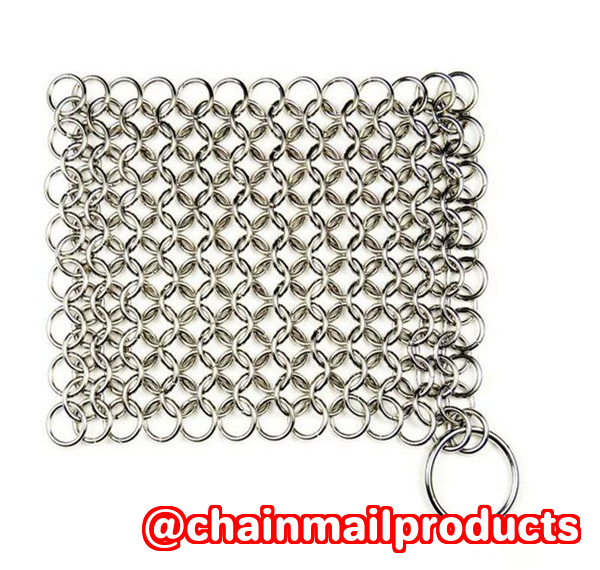
The most popular weave pattern for chainmail is European 4-in-1, which means each ring is woven through four others. This structure offers a good balance between flexibility and strength. When inspecting the weave, ensure that it is consistent and tight, as weak or uneven weaves can compromise the chainmail’s protective abilities.
Practical Tips for Inspecting Chainmail Quality
You may be wondering, “How can I tell if a product meets these standards?” The good news is that inspecting chainmail is a straightforward process if you know what to look for. Here are some practical steps that will help you assess whether the chainmail you’re considering is of high quality.
1. Perform a Pull Test
One of the easiest ways to assess the durability of chainmail is to perform a pull test. Hold a section of the chainmail and pull on it with moderate force. High-quality chainmail should feel strong and resistant to any significant stretching. If it feels flimsy or the rings start to separate, that’s a sign of poor craftsmanship.
2. Check for Corrosion or Rust
Stainless steel is generally corrosion-resistant, but it’s still a good idea to check for any signs of rust or oxidation. This is particularly important for chainmail intended for food processing or industrial work. A well-maintained product should be free from any signs of deterioration, even if it’s been in use for a while.
3. Look for Consistent Weave and Ring Alignment
Inspect the chainmail’s weave closely. Inconsistent ring placement or a loose weave indicates poor quality. The rings should fit snugly against each other, and the weave should be tight without gaps. The rings should align in a clean, structured pattern, particularly in European 4-in-1 weaves.
4. Verify the Wire Thickness
Use a micrometer or caliper to measure the wire thickness. This is especially important for industrial applications where high strength is necessary. If you can’t measure the thickness yourself, ask the seller for the specifications or request a sample.
5. Confirm the Grade of Stainless Steel
If you’re buying chainmail for industrial or food safety purposes, ensure that it’s made from the correct grade of stainless steel. 316 stainless steel is the preferred option for environments exposed to high levels of moisture or corrosive materials. If the product only mentions “stainless steel” without specifying the grade, proceed with caution.
Why Proper Inspection is Essential
By taking these simple steps to inspect the quality of chainmail, you can avoid many common mistakes that buyers make. Whether you’re purchasing for industrial cut protection, food handling, cosplay, or historical replicas, these steps will ensure you’re getting a product that’s both safe and durable.
-
Avoid Unsafe Chainmail: For industrial users, low-quality chainmail can result in workplace injuries. By verifying the material quality and ring integrity, you’re making sure the product will provide the protection you need.
-
Ensure Durability for Decorative or Cosplay Chainmail: Even if you’re buying chainmail for decorative purposes, it should still be durable enough to withstand regular use. Poor craftsmanship can lead to frayed edges, broken rings, and an overall fragile product.
-
Save Money: Chainmail can be expensive, so it’s crucial to identify low-quality products before purchasing. By inspecting items properly, you can avoid wasting money on chainmail that won’t last.
Conclusion
In conclusion, taking the time to inspect and evaluate chainmail is well worth the effort, especially when your safety or the longevity of your investment is on the line. Whether you’re looking for chainmail for industrial protection or for a costume, following these inspection steps will help you identify high-quality products that meet your needs.
I highly recommend following these steps to ensure any chainmail purchase meets safety and durability standards. By focusing on welded rings, stainless steel grades, ring diameters, and weave patterns, you’ll be able to make informed choices and avoid common pitfalls.
Learn more about identifying high-quality chainmail products: Aegimesh Chainmail Inspection Guide.
Frequently Asked Questions
1. How can I tell if a chainmail ring is welded or open?
Look for signs of a weld on the inside of the ring. If the ring is fused together at the seam, it’s a welded ring. If the ends of the ring are simply bent together, it’s an open ring.
2. Which stainless steel grade is best for long-lasting chainmail?
For most industrial and food safety applications, 316 stainless steel is preferred because of its superior resistance to rust and corrosion. For general use, 304 stainless steel is also a good option.
3. How do I inspect the weave pattern for strength?
Check for a consistent and tight weave. In a European 4-in-1 weave, each ring should pass through four others, creating a durable, interlocking pattern. There should be no gaps or loose rings.
4. What are the signs of low-quality or unsafe chainmail?
Look for weak welds, thin wire, loose or inconsistent rings, and signs of corrosion. If the chainmail feels flimsy or shows any signs of wear, it’s likely low quality.
5. Can decorative chainmail be used for protective purposes?
While decorative chainmail may look good for cosplay, it may not offer the same level of protection as industrial-grade chainmail. Be sure to check its quality before using it for any safety-critical applications.
6. How do I choose the right chainmail for industrial vs cosplay use?
For industrial use, prioritize 316 stainless steel, thick wire, and tightly woven patterns like European 4-in-1. For cosplay, look for lightweight, decorative chainmail that may not need to meet industrial standards.
Tags or Keywords
-
Chainmail quality, welded rings, stainless steel chainmail, cut-resistant chainmail, chainmail inspection, European 4-in-1 weave, chainmail durability