
Chainmail Accessories for Long-Term Use
When purchasing chainmail, whether for protective use or as part of a historical costume, it can be tough to distinguish between high-quality, durable products and those that are cheaply made or unsafe. I’ve encountered this challenge myself and heard the same concerns from countless buyers, collectors, and industrial users. Chainmail is a unique item, prized for its strength and historical relevance, but not all chainmail products are created equal. So, how do you tell if a chainmail piece is truly worth the investment?
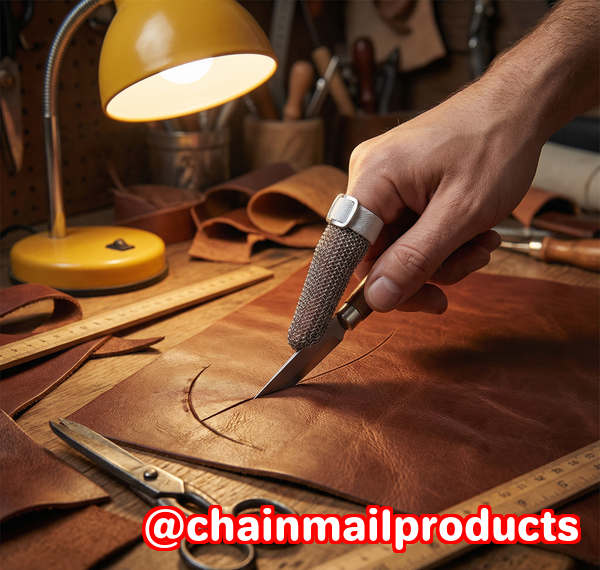
In this post, I’ll walk you through everything you need to know about evaluating the quality of chainmailwhether you’re a buyer looking to add a protective accessory to your gear, a cosplayer searching for authenticity, or an industrial professional ensuring safety. By the end, you’ll be able to confidently assess chainmail products and make informed purchasing decisions.
Common Pitfalls When Evaluating Chainmail Quality
It’s easy to fall into the trap of buying chainmail that looks good at first glance but ends up being fragile, unsafe, or poorly crafted. Below are the most common problems people face when evaluating chainmail, along with practical solutions that can help you avoid making the wrong choice.
1. Difficulty Distinguishing Welded Rings from Open Rings
One of the most common issues when shopping for chainmail is not knowing whether the rings are welded or open. Welded rings are much stronger and more durable than open rings, which are prone to coming apart. Unfortunately, it’s often hard to tell the difference just by looking.
Solution: Always look for a clear sign of welding. Gently press on the ring to feel for any flexibility. If the ring is welded, it will hold its shape and resist bending. Open rings will typically feel a bit looser and can shift more easily.
2. Uncertainty About Stainless Steel Grades
Not all stainless steel is the same, and choosing the wrong grade can affect the performance and durability of your chainmail. 304 stainless steel is common and rust-resistant, but 316 stainless steel is superior, especially in corrosive environments.
Solution: Look for specific information about the grade of stainless steel used in the product. If the seller can’t provide this information, consider it a red flag. Generally, 316 is the better option for long-term durability, especially if the chainmail will be exposed to moisture or harsh environments.
3. Weak or Inconsistent Weaves
A chainmail weave pattern, like the popular European 4-in-1, determines how well the links interlock and how strong the piece will be. If the weave is inconsistent or improperly executed, the chainmail can become weak, leading to potential safety issues, especially for industrial or protective uses.
Solution: Inspect the weave closely. The European 4-in-1 pattern, for example, should have four rings going through each one. Each ring should be tightly interwoven, with no loose ends or gaps. If you notice any inconsistent weaves, it could indicate poor craftsmanship.
Aegimesh Chainmail: A Guide to Quality and Durability
When it comes to high-quality chainmail, Aegimesh products are an excellent reference point. Our chainmail is crafted with safety, durability, and professionalism in mind. To help you make the best choice, I’ve created this simple inspection guide.
Inspecting the Material: Stainless Steel Grades
The material of your chainmail plays a huge role in its overall strength and longevity. As mentioned earlier, 304 stainless steel is a common choice, but 316 stainless steel is ideal for long-term use. Here’s how to assess the material:
-
304 Stainless Steel: Ideal for general use, but it can corrode over time, especially in humid or salty environments.
-
316 Stainless Steel: More resistant to corrosion, making it perfect for high-humidity environments or industrial settings where durability is crucial.
Checking Ring Welding
Welded rings are crucial for ensuring the longevity of chainmail. To inspect whether the rings are welded, use the following test:
-
Pull Test: Gently pull the rings apart. If the rings are welded properly, they should stay firmly in place and not show any signs of separation.
-
Visual Inspection: Look for the welding seam. A good weld will have a smooth, even finish. If the ring is open, you’ll see a noticeable gap between the two ends.
Evaluating Wire Thickness and Inner Diameter
The thickness of the wire and the diameter of the rings are key indicators of strength. Thicker wire generally translates to stronger, more durable chainmail, but it also means the piece will be heavier. For protective chainmail (such as for food processing or industrial use), you want to choose a thicker wire to ensure cut resistance.
Wire Thickness Check: Compare the wire thickness to a ruler or caliper. The thicker the wire, the better the protection, but for decorative or cosplay purposes, a lighter wire may be sufficient.
Ring Diameter: The inner diameter of the rings is also important for determining the flexibility and comfort of the chainmail. Too tight and the links may be too rigid; too loose and the weave may become unstable.
Weave Pattern: European 4-in-1 and Its Strength
The European 4-in-1 weave is a popular choice because it provides maximum strength while still being flexible enough for a variety of uses. To check the strength of the weave:
-
Look at the overall structure. The rings should form a grid pattern with four rings passing through each one.
-
Ensure there are no gaps, broken rings, or misalignments. The pattern should be uniform across the piece.
Practical Tips for Inspecting Chainmail
Now that you know what to look for in terms of material, welding, wire thickness, and weave patterns, here are some additional tips to help you evaluate the quality of any chainmail piece:
-
Do a Pull Test: Pull the chainmail gently in different directions to check its strength. A high-quality piece should resist pulling and stay intact.
-
Check for Corrosion: Especially if the chainmail will be exposed to moisture, check for any signs of rust or discoloration. This is often a sign of low-quality stainless steel or improper care.
-
Look for Consistency: High-quality chainmail should have a consistent look and feel. Any rings that are irregular or any parts that feel different from the rest should raise suspicion.
Conclusion: Choose Quality Chainmail for Safety and Durability
When investing in chainmail, whether for industrial protection, cosplay, or a historical display, it’s essential to know how to identify high-quality products. By following these inspection steps, you can ensure that your chainmail meets the necessary standards of safety and durability.
I highly recommend following these steps before making a purchase to avoid unsafe, low-quality products. A little extra effort in inspecting chainmail can save you money and prevent safety issues down the line.
For more detailed information on how to evaluate chainmail products, check out our detailed chainmail inspection guide today!
FAQ
1. How can I tell if a chainmail ring is welded or open?
Check for a smooth seam on the ring. If the ring is welded, the ends will be fused together with no gap. Open rings will have a noticeable gap between the ends.
2. Which stainless steel grade is best for long-lasting chainmail?
316 stainless steel is ideal for long-term durability, especially in environments with moisture or corrosive substances. 304 stainless steel is also good for general use but may corrode over time.
3. How do I inspect the weave pattern for strength?
Ensure that the weave is consistent and that each ring passes through four others (European 4-in-1). The rings should be tightly interwoven with no gaps or misalignments.
4. What are the signs of low-quality or unsafe chainmail?
Look for poor ring welding, thin wire, or inconsistent weaves. Signs of corrosion or rust also indicate poor-quality stainless steel.
5. Can decorative chainmail be used for protective purposes?
While decorative chainmail may look great, it often lacks the strength and durability of protective chainmail. Always ensure the weave and material are designed for the intended use.
6. How do I choose the right chainmail for industrial vs cosplay use?
For industrial use, opt for thicker wire and a high-grade stainless steel (316). For cosplay, you may choose lighter materials for comfort, but still check for a strong, durable weave.
7. What are some signs of low-quality chainmail?
Low-quality chainmail may have poorly welded rings, inconsistent weaves, and thin wires. Check for any signs of rust or corrosion, and ensure the rings are properly welded and strong.
Keywords
chainmail quality, welded rings, stainless steel chainmail, cut-resistant chainmail, chainmail inspection, European 4-in-1 weave, chainmail durability