
Chainmail Accessories for Food Processing Safety: Ensuring Quality and Durability
When you’re sourcing chainmail for protective purposes, especially in industries like food processing, ensuring you invest in high-quality, durable products can be a daunting task. As a buyer or professional in need of reliable protection against cuts and abrasions, distinguishing between genuine chainmail and cheaper, potentially unsafe alternatives can be tricky. With so many options available, it’s hard to know which products live up to the standards you needwhether for industrial safety, food handling, or cosplay.
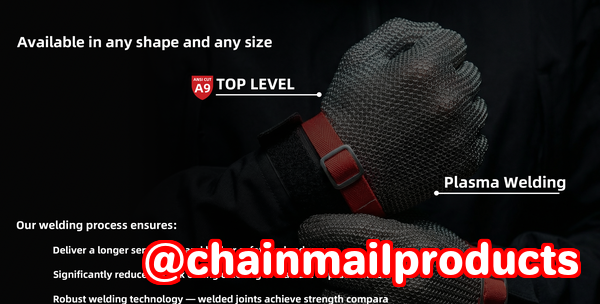
In this article, I’ll guide you through the process of identifying high-quality chainmail, so you can make informed decisions and avoid wasting money on poor-quality products. Whether you’re in the food industry, part of a cosplay community, or a collector of historical replicas, understanding chainmail inspection methods will help you ensure your purchases meet your safety and durability needs.
Common Problems When Choosing Chainmail
While shopping for chainmail, it’s easy to fall for flashy designs or low prices. However, not all chainmail is made equal. The most common mistakes I’ve encounteredand many others faceinclude:
-
Difficulty distinguishing welded rings from open rings: Open rings may look similar to welded rings, but they don’t provide the same strength, particularly in industrial or food-processing applications.
-
Uncertainty about stainless steel grades: Not all stainless steel is created equal. 304-grade steel is common but less resistant to corrosion compared to 316 steel, which is more suitable for harsher environments.
-
Weak or inconsistent weaves: The weave pattern plays a major role in how durable and cut-resistant the chainmail is. A poor weave may compromise its ability to protect against cuts, making it unsafe for high-risk industries like food processing.
At Aegimesh, we provide a comprehensive guide on how to properly evaluate the quality of chainmail, so you can avoid these pitfalls.
How to Evaluate Chainmail Quality
Before you buy chainmailwhether it’s for safety, cosplay, or historical purposesit’s essential to assess the material, construction, and durability. Here’s a breakdown of the steps I follow to inspect chainmail and what to look for:
1. Material Type: Stainless Steel (304 vs. 316)
The material is one of the most important factors in determining chainmail’s durability and longevity. Chainmail made from stainless steel is a popular choice, but there are different grades to consider:
-
304 Stainless Steel: This is the most common grade used in chainmail products. It offers a good balance of strength and resistance to corrosion, but in environments with high moisture or exposure to acids (like food processing), it can start to rust over time.
-
316 Stainless Steel: This grade contains more nickel and molybdenum, making it more resistant to corrosion, especially in environments with exposure to salt, acids, or chlorine. For food processing and high-wear environments, 316 stainless steel is the ideal choice.
Tip: Always check the product description to confirm the stainless steel grade, and if in doubt, ask the manufacturer directly.
2. Inspect the Ring Welding
One of the easiest ways to distinguish high-quality chainmail is by inspecting the rings. Chainmail rings can either be welded or open. Welded rings are fused together, providing much more strength and durability, while open rings may be held in place with a split but can separate over time, weakening the structure.
How to Inspect:
-
Look for visible seams on the rings. A smooth, seamless ring indicates welding.
-
Perform a simple pull test on a few rings. Gently tug on the chainmail. If the ring feels like it might pull apart or bend, it’s likely not welded properly.
3. Wire Thickness and Inner Diameter
The thickness of the wire used in the rings directly affects the strength of the chainmail. Thicker wire typically provides greater durability, especially for applications requiring cut-resistance. Additionally, the inner diameter (ID) of the rings can affect how tightly the rings are woven together.
How to Inspect:
-
Measure the thickness of the wire using a micrometer or caliper to ensure it meets the specifications for strength.
-
The inner diameter should fit the weaving pattern tightly. If it’s too loose, the rings can shift more easily, compromising protection.
4. Weave Pattern: European 4-in-1
The weave pattern is a critical factor in the overall durability and effectiveness of chainmail. The most common and trusted pattern for strength is European 4-in-1, where each ring interlocks with four other rings, creating a tight, secure mesh.
How to Inspect:
-
Check the consistency of the weave. The pattern should be uniform throughout the chainmail.
-
Ensure that the rings are tightly woven together, with no gaps or spaces where the weave can come undone under pressure.
Benefits of Proper Chainmail Inspection
Inspecting your chainmail before purchase has several key benefits, especially in professional and industrial applications:
-
Avoid Unsafe Products: Proper inspection helps ensure the chainmail is strong and reliable, avoiding weak materials that could lead to serious injury.
-
Durability Assurance: Ensuring that the chainmail is built to last will save you money in the long run by preventing frequent replacements.
-
Ensuring Appropriate Protection: For food processing and other high-risk industries, properly inspected chainmail will meet industry standards for safety.
Practical Tips for Inspecting Chainmail
Here are some actionable tips I recommend to make your chainmail inspection easy and effective:
-
Perform a Pull Test: Gently tug on several rings to test the strength of the welds.
-
Look for Signs of Corrosion: Especially in food processing environments, look for any signs of rust or tarnish, which can indicate poor-quality materials.
-
Know the Right Chainmail for Your Needs: If you’re buying chainmail for cosplay, decorative purposes, or historical reenactments, a less-durable weave might suffice. But for industrial use, prioritize durability and cut-resistance.
Conclusion: Get the Right Chainmail for Your Needs
In conclusion, proper chainmail inspection is key to making sure your purchase will meet safety, durability, and functional standards. Whether you’re in need of industrial cut protection, food handling, cosplay, or collecting historical replicas, taking the time to evaluate the chainmail thoroughly is essential.
I highly recommend following these inspection steps before making your next chainmail purchase. With the right knowledge, you can easily distinguish between high-quality, safe chainmail and low-quality imitations.
Learn more about identifying high-quality chainmail products: Aegimesh Chainmail Inspection Guide
Frequently Asked Questions
How can I tell if a chainmail ring is welded or open?
-
Welded rings will have no visible seam, and the ring will feel solid under pressure. Open rings may show a split where the ends meet.
Which stainless steel grade is best for long-lasting chainmail?
-
316 stainless steel is ideal for environments that require corrosion resistance, such as food processing or outdoor use.
How do I inspect the weave pattern for strength?
-
Check for consistent, tight weaving with no gaps. The European 4-in-1 pattern is a reliable and strong weave that provides maximum protection.
What are the signs of low-quality or unsafe chainmail?
-
Look for rust, inconsistent weave patterns, and rings that feel flimsy or weak. Low-quality chainmail often shows signs of poor craftsmanship or cheap materials.
Can decorative chainmail be used for protective purposes?
-
Decorative chainmail is typically not as durable or cut-resistant as industrial-grade chainmail, but it may be suitable for cosplay or display purposes.
How do I choose the right chainmail for industrial vs. cosplay use?
-
For industrial use, prioritize durability, stainless steel grade, and a tight European 4-in-1 weave. For cosplay, look for lighter, more flexible options that still offer a visually appealing design.
What should I look for when buying chainmail for food processing?
-
Ensure that the chainmail is made from 316 stainless steel, features welded rings, and has a tight European 4-in-1 weave to guarantee cut protection.
Keywords
-
chainmail quality, welded rings, stainless steel chainmail, cut-resistant chainmail, chainmail inspection, European 4-in-1 weave, chainmail durability