
Chainmail Accessories and Quality Control Standards
When purchasing chainmail for protection, display, or cosplay, it can be incredibly difficult to know which products are truly high-quality. As a buyer, you may find yourself asking: How do I know this chainmail is strong enough to withstand industrial work? Will it hold up during my next medieval reenactment? These concerns are valid, and the importance of quality can’t be overstated. Whether you’re in the market for durable, cut-resistant gloves for the food industry or a beautifully crafted costume piece for a cosplay, knowing how to spot a quality chainmail product can save you from disappointment and potentially unsafe purchases.
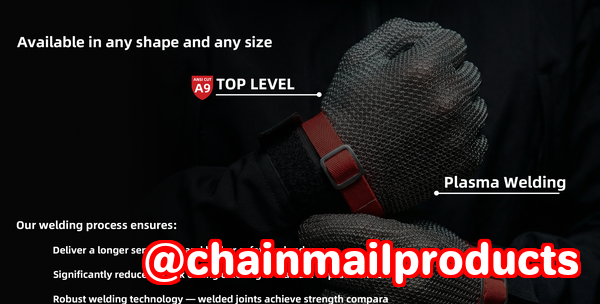
In this guide, I’ll walk you through the steps to assess chainmail quality, from inspecting welded rings to understanding material properties. I’ll also provide tips on evaluating weave patterns, checking for corrosion, and distinguishing high-quality products from subpar imitations. By the end of this article, you’ll have the knowledge to make an informed decision every time you purchase chainmail, whether it’s for industrial, decorative, or historical purposes.
Common Pain Points When Evaluating Chainmail
When it comes to chainmail, not all rings are created equal. Many buyers are fooled by products that look the part but don’t meet the necessary quality standards. Let’s dive into the most common issues people face when assessing chainmail:
1. Difficulty Distinguishing Welded Rings from Open Rings
A common pitfall is the confusion between welded rings and open rings. Why does this matter? Well, welded rings are far more durable and secure. They’re ideal for chainmail used in industrial settings or for protective gloves. Open rings, on the other hand, are often used in cheaper or decorative pieces and can easily come apart, rendering the chainmail ineffective in real-world use.
2. Understanding Stainless Steel Grades
Stainless steel is a popular material for high-quality chainmail. However, not all stainless steel is equal. You may find chainmail products labeled simply as “stainless steel,” but that’s too vague to assess quality. The most common grades used in chainmail are 304 and 316 stainless steel. Grade 304 is good for most decorative pieces, but for industrial or food-processing applications, 316 is preferred due to its better corrosion resistance.
3. Weave Quality and Durability
The strength of chainmail doesn’t just come from the material; it’s also about how the rings are woven together. The weave pattern you choose matters a lot. One of the strongest and most commonly used patterns is European 4-in-1. In this pattern, each ring is connected to four others, providing maximum durability. Inconsistent or loose weaves can compromise the strength of the chainmail, leading to potential risks for industrial or safety uses.
Aegimesh Chainmail: Your Solution for High-Quality Chainmail
To avoid the pitfalls of low-quality chainmail, Aegimesh provides a practical solution. Our comprehensive guide helps buyers, collectors, and professionals evaluate chainmail based on key indicators such as welded rings, stainless steel grade, wire thickness, ring diameter, and weave patterns.
How to Inspect Chainmail Quality: A Step-by-Step Guide
Now, let’s get into the details of what you should look for when evaluating chainmail. These steps will help ensure you are purchasing a product that meets the highest standards of safety, durability, and aesthetics.
1. Inspect the Material: Stainless Steel Grades
One of the first things to consider when buying chainmail is the material it’s made from. Chainmail is most commonly made from stainless steel, but there are different grades, with 304 and 316 being the most popular. Here’s a quick comparison:
-
304 Stainless Steel: This is the most common grade used in decorative chainmail and is ideal for pieces that don’t face harsh conditions. It’s durable but can corrode over time when exposed to moisture.
-
316 Stainless Steel: This grade is preferred for industrial and food-processing applications because it offers greater resistance to corrosion. If you’re looking for chainmail that needs to stand up to tough conditions, go for 316.
2. Inspect the Welds
Whether you’re buying chainmail for safety or aesthetics, the quality of the welds is crucial. Welded rings offer greater strength and durability compared to open rings. How can you tell if the rings are welded? A simple pull test is often enough. Grab two adjacent rings and pull them apart. If they’re welded, they will stay intact. If they’re open rings, you’ll likely see them slip apart.
3. Check the Wire Thickness and Ring Diameter
Wire thickness plays a significant role in determining the strength of the chainmail. Thicker wire results in stronger, more durable chainmail, while thinner wire might be more flexible but also less sturdy. In addition, the inner diameter of each ring affects how well the rings interlock and how tight the weave is. If the rings are too large, the weave will be weak. If they’re too small, the chainmail will be difficult to handle or uncomfortable to wear.
4. Evaluate the Weave Pattern
Chainmail isn’t just about the rings; it’s also about how those rings are woven together. The European 4-in-1 pattern is one of the most popular and durable choices. Here’s what makes it stand out:
-
4-in-1: This refers to the number of rings each ring is connected to. In the 4-in-1 pattern, each ring is connected to four others, creating a tight, stable weave.
-
Why it matters: A well-woven 4-in-1 pattern offers strength and flexibility, making it ideal for protective applications such as gloves or aprons.
Loose weaves or incorrect patterns can lead to weak spots in the chainmail. For industrial use, safety is paramount, and a poor weave could compromise the effectiveness of your chainmail.
The Benefits of Proper Inspection
By following these inspection steps, you not only ensure that your chainmail is strong and durable but also avoid the dangers of purchasing low-quality products. Here are some key benefits:
-
Safety: Properly inspected chainmail, especially in industrial and food-processing environments, ensures protection from cuts and abrasions. It prevents safety risks that could come with low-quality products.
-
Durability: By identifying high-quality chainmail, you ensure that the product will last longer and maintain its integrity over time, saving you money in the long run.
-
Value for Money: Chainmail can be expensive, but inspecting it carefully before purchase helps you avoid paying for subpar products. Whether for cosplay or industrial use, investing in high-quality chainmail is always worth it.
Conclusion: Protect Your Investment
In conclusion, when purchasing chainmail, it’s crucial to evaluate the material, welds, wire thickness, ring diameter, and weave pattern. These factors play a significant role in the quality and durability of the product. I highly recommend following these inspection steps to ensure any chainmail purchase meets safety and durability standards. Whether you’re buying for industrial use, food handling, cosplay, or as a collector, knowing how to identify high-quality chainmail will save you time, money, and potential headaches.
For a more in-depth guide and tools to evaluate chainmail quality, I encourage you to check out Aegimesh Chainmail. Our detailed inspection guide will help you make the right choice, every time.
FAQs
1. How can I tell if a chainmail ring is welded or open?
A simple pull test is an easy way to tell. If the rings stay intact, they’re welded; if they separate, they’re open.
2. Which stainless steel grade is best for long-lasting chainmail?
For durability and corrosion resistance, choose 316 stainless steel, especially for industrial and food-processing applications.
3. How do I inspect the weave pattern for strength?
Look for consistent and tight weaves like the European 4-in-1 pattern. This creates a strong and durable piece.
4. What are the signs of low-quality or unsafe chainmail?
Weak welds, loose rings, poor weave patterns, or thin wire are all signs of low-quality chainmail. These can compromise safety and durability.
5. Can decorative chainmail be used for protective purposes?
Decorative chainmail is typically made with lighter materials and may not provide the necessary protection. For safety, always choose chainmail designed for protective use.
6. How do I choose the right chainmail for industrial vs cosplay use?
For industrial use, focus on durability and corrosion resistance (316 stainless steel, welded rings). For cosplay, aesthetics and flexibility (304 stainless steel, lighter wire) are key considerations.