
Chainmail Accessories and Plasma Welding Technology: A Guide to Identifying High-Quality Chainmail
When it comes to purchasing chainmail for any purposewhether it’s industrial cut protection, cosplay, or historical replicasthe last thing you want is to end up with something flimsy and unsafe. If you’ve ever bought chainmail online or at a market, you know the frustration of trying to tell if you’ve made a smart purchase or not. With so many options and varying degrees of quality, how do you know which chainmail will actually stand up to the test?
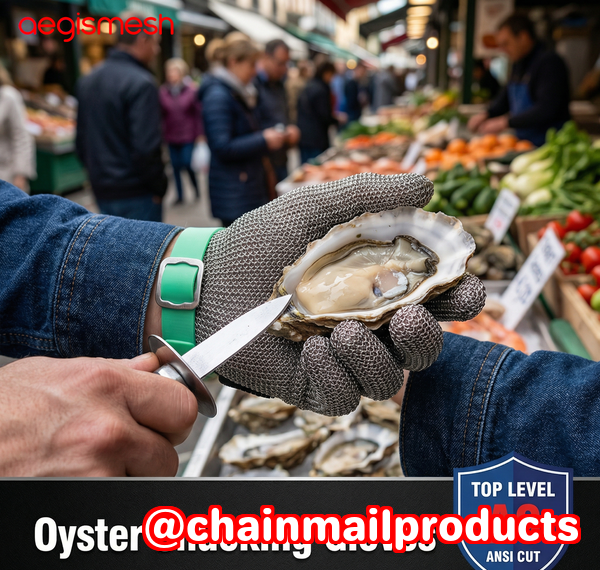
As someone who’s been in the chainmail industry for years, I can tell you from experience: evaluating chainmail is a skill, and without knowing what to look for, it’s easy to make costly mistakes. Whether you’re a buyer, collector, or industrial user, this guide is designed to help you identify high-quality chainmail products, ensuring you get the best value for your investment.
Why Quality Chainmail Matters
When you’re evaluating chainmail, whether for protection in industrial settings, as a cosplay accessory, or as a collector’s item, the quality matters. Poorly made chainmail can lead to safety risks, durability issues, and wasted money. Here’s a quick breakdown of why quality chainmail is so important for different use cases:
-
Industrial Cut Protection: Low-quality chainmail can break apart under stress, putting workers at risk of injury. Industrial applications require chainmail that holds up to continuous wear, impacts, and cuts.
-
Food Processing: Chainmail used for food handling, such as butcher gloves or aprons, needs to be sanitary, durable, and resistant to wear and tear. Poorly made chainmail can harbor bacteria and is more likely to deteriorate.
-
Cosplay & Historical Replicas: For cosplay and historical reenactment, chainmail must not only look good but also be strong enough for movement and prolonged wear. Decorative chainmail may look convincing but might not perform well under pressure.
In all cases, the quality of the material, welds, wire thickness, and weave pattern will make a difference in the longevity, appearance, and safety of the chainmail.
Common Mistakes in Evaluating Chainmail
1. Misjudging Welded Rings vs. Open Rings
One of the first things to check is whether the rings are welded or open. Open rings are often found in lower-quality products and can easily separate, leading to a loss of protection or a flimsy design. Welded rings, on the other hand, are much more secure and durable.
2. Overlooking Stainless Steel Grades
Not all stainless steel is created equal. The two most common grades used in chainmail are 304 and 316 stainless steel. The difference between them can significantly affect the chainmail’s durability, resistance to corrosion, and overall strength. 316 stainless steel is generally more resistant to corrosion, especially in food handling or marine environments, while 304 is more commonly used and still offers good protection in most industrial applications.
3. Inconsistent Weave Patterns
Chainmail is only as strong as its weave pattern. The European 4-in-1 weave is one of the most popular and strongest designs. It offers a balance between flexibility and durability. If the chainmail you’re inspecting has loose or irregular weaves, it could compromise its strength and performance, especially in high-stress environments.
Aegimesh Chainmail: The Ultimate Guide to Quality
At Aegimesh, we’ve created a guide and inspection tool to help buyers, collectors, and professionals evaluate chainmail products. This guide will walk you through how to assess the quality of chainmail and ensure that you’re investing in a product that will stand the test of time.
Step 1: Check the Material
The material of the chainmail is the foundation of its strength. Most high-quality chainmail is made from stainless steel, but not all stainless steel is equal. As mentioned earlier, 304 and 316 stainless steel are the two most common grades.
-
304 Stainless Steel: A good option for most industrial applications, offering decent corrosion resistance and strength.
-
316 Stainless Steel: The best option for corrosive environments or food handling. It’s more resistant to saltwater, acids, and chemicals, making it ideal for marine, food processing, and some industrial uses.
Pro Tip: Always check the product details for the grade of stainless steel. If it’s not listed, that’s a red flag.
Step 2: Inspect the Rings and Welding
Inspect the rings closely. Are they welded or open? If they’re welded, the welding should be smooth and uniform. Open rings will have gaps where the ends of the wire haven’t been joined together, which can lead to the chainmail falling apart under stress.
To test whether the rings are welded, gently pull a few rings apart. If they separate, it’s likely open rings. If they hold firm, you’re dealing with welded rings, which are much stronger.
Step 3: Evaluate the Wire Thickness and Inner Diameter
The wire thickness and inner diameter of each ring directly affect the chainmail’s strength and flexibility. Generally, thicker wire will provide more strength, but it can also make the chainmail less flexible. A balance is required depending on the intended use. For example, industrial use requires thicker wire, while cosplay and decorative chainmail may use thinner, more flexible wire.
The inner diameter of the rings should be large enough to allow for flexibility but tight enough to prevent the rings from separating.
Pro Tip: Use a caliper to measure the inner diameter and wire thickness. It’s an easy way to ensure the chainmail meets the specifications for your intended use.
Step 4: Inspect the Weave Pattern
The weave pattern is the next step in evaluating chainmail quality. The European 4-in-1 weave is one of the strongest and most durable patterns, offering a good balance between flexibility and protection. If you notice any irregularities or loose rings in the weave, this can weaken the chainmail.
Practical Tips for Evaluating Chainmail
Now that you know the key factors to inspect, here are a few practical tips to help you perform your own inspection:
-
Perform a Pull Test: Gently pull on a section of the chainmail to test the ring strength. It should hold firm without stretching or breaking. If it feels weak or starts to separate, it’s likely low-quality.
-
Look for Corrosion: Even stainless steel can corrode under certain conditions. Check for any signs of rust or discoloration, especially if the chainmail will be exposed to moisture.
-
Check the Fit and Comfort: For protective chainmail, make sure it fits well and feels comfortable. It shouldn’t be too tight or too loose, and the rings should move freely without causing discomfort.
Conclusion: Ensuring Safety and Durability in Your Chainmail Purchase
At the end of the day, chainmail is only as good as its components. By following these steps, you can ensure that any chainmail you purchasewhether for industrial, cosplay, or decorative purposesmeets the highest standards of safety, durability, and strength.
I highly recommend following these inspection steps to ensure your next chainmail purchase is built to last. It’ll save you time, money, and potential safety risks in the long run.
Learn more about identifying high-quality chainmail products: Aegimesh Chainmail Guide
FAQs
1. How can I tell if a chainmail ring is welded or open?
You can perform a simple pull test. If the ring holds firm without separating, it’s welded. Open rings will separate under pressure.
2. Which stainless steel grade is best for long-lasting chainmail?
For most applications, 304 stainless steel is a solid choice. However, if you need corrosion resistance (e.g., in food processing or marine environments), 316 stainless steel is the best option.
3. How do I inspect the weave pattern for strength?
Look for a consistent and tight weave. The European 4-in-1 weave is one of the strongest patterns, offering the best balance of flexibility and durability.
4. What are the signs of low-quality or unsafe chainmail?
Signs of low-quality chainmail include open rings, thin wire, loose weaves, corrosion, and a lack of clarity on the material grade.
5. Can decorative chainmail be used for protective purposes?
While decorative chainmail may look appealing, it’s typically not strong enough for protective use. Always ensure the product is designed for your specific need.
6. How do I choose the right chainmail for industrial vs. cosplay use?
For industrial use, look for thicker wire, welded rings, and a durable weave pattern. For cosplay, lighter, more flexible chainmail may be suitable, but ensure it’s still made with high-quality materials.