
Chainmail Accessories for High-Risk Environments
When you’re looking for chainmail to protect your hands at a busy butcher’s shop, or to add authenticity to your medieval-themed cosplay, one thing’s certain: not all chainmail is created equal. Many buyers often find themselves unsure about how to distinguish a high-quality, durable product from one that’s more about looks than performance. Whether you’re seeking the best protection for industrial use or just want your costume to stand out with accurate craftsmanship, understanding the true value of chainmail is essential.
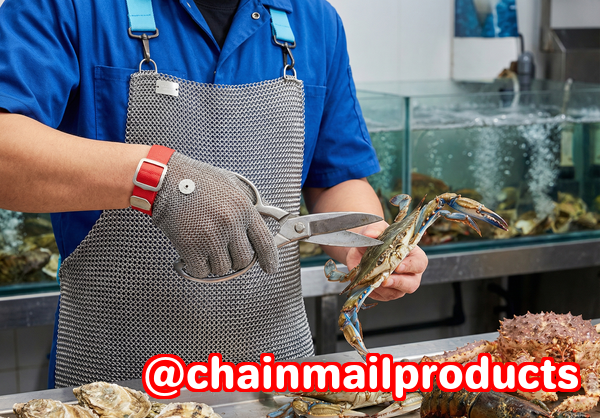
If you’ve ever had to make that tough decision in the past, you’re not alone. The reality is, not all chainmail accessories are up to the task, and many lower-quality options are available that could compromise your safety or your investment. But don’t worrythis guide will walk you through everything you need to know about how to evaluate the quality of chainmail, so you can make an informed, confident purchase.
Pain Points When Evaluating Chainmail
Let’s start with the basic issues that can make choosing the right chainmail a challenge. It’s easy to feel overwhelmed when browsing options, especially when products are sold by weight or seem similar to each other at first glance. Let’s break down the common pitfalls many buyers encounter:
-
Welded vs. Open Rings: If you’re new to chainmail, you might not even realize that the construction method of the rings can greatly affect the overall quality. Some chainmail products use welded rings, which are stronger and more durable, while others use open rings that can be prone to breaking or coming apart with use.
-
Choosing the Right Stainless Steel: You’ve likely heard of 304 stainless steel, but did you know 316 stainless steel offers superior corrosion resistance? Many buyers get confused about which material is best for their intended purpose, leading to premature wear, rust, or weak spots.
-
Inconsistent Weaves: Whether you’re purchasing chainmail for cosplay, armor, or industrial protection, a consistent, tightly woven pattern is key for durability. Poor weaving can create weak spots, making the chainmail ineffective for its intended purpose.
How Aegimesh Chainmail Helps
At Aegimesh, we’ve designed a guide that takes the guesswork out of inspecting chainmail quality. Our inspection tool breaks down each of these factors, allowing you to quickly assess the product’s construction and make informed decisions.
Here’s how you can easily evaluate the chainmail quality:
-
Material Type: The first thing you need to check is the grade of stainless steel used. Stainless steel comes in several grades, but the two most common in chainmail are 304 and 316. For high-risk environments, such as industrial settings or food handling, 316 stainless steel is the preferred choice due to its superior resistance to corrosion and rust. It’s a bit more expensive than 304, but the long-term durability and safety it offers are well worth the extra investment.
-
Ring Construction: Inspecting the welding of the rings is critical for determining the durability of the chainmail. Welded rings are the strongest type, as they’re heated and fused together, making them nearly impossible to break apart. Open rings, on the other hand, are just bent into shape and may unravel with enough stress or wear. To check for welded rings, look closely at the edges of the rings. You should see a clear seam or join where the ring has been fused.
-
Wire Thickness and Inner Diameter: Pay attention to the wire gauge and the inner diameter of the rings. The thickness of the wire directly correlates to the strength of the chainmail. Thicker wire is generally stronger and more durable, but it can also add weight, so it’s important to strike a balance. Similarly, the inner diameter (ID) of the rings is another key factor. A small ID can provide a tighter, stronger weave, while a larger ID might allow for more flexibility but can sacrifice durability.
-
Weave Patterns: The most common weave pattern you’ll encounter is the European 4-in-1 weave. This pattern offers the best balance of flexibility and protection. In a 4-in-1 weave, each ring connects to four others, which ensures the chainmail stays flexible but still offers plenty of coverage. Inspect the weave closely to make sure the rings align properlyuneven weaves can create weak spots, leading to compromised performance.
Why Inspecting Chainmail Is Crucial
Now, you might be wondering why all this inspection matters. Well, the truth is, improper chainmail can lead to poor protection, wear and tear over time, or even complete failure in high-risk situations. Consider this example: if you were using chainmail gloves in an industrial kitchen to handle knives, weak, poorly welded rings could cause the gloves to fall apart during use, leading to cuts and potential injuries. Or, let’s say you’re wearing chainmail for cosplay; an ill-made product might not hold up through a weekend event, leaving you disappointed with your purchase.
Here’s what proper inspection will help you avoid:
-
Unsafe Industrial or Food Handling Chainmail: Proper inspections can prevent purchasing chainmail that isn’t suitable for high-risk environments. You don’t want to risk a breakdown in protection during your workday.
-
Decorative Chainmail That Isn’t Durable: Not all chainmail is built for action. Some decorative chainmaillike those used for cosplay or historical replicasmight look great but lack the strength needed for certain activities. By inspecting for strength and durability, you ensure that your investment isn’t just for show.
-
Saving Money: When you spot low-quality chainmail early on, you can save yourself from spending money on something that won’t last. In the long run, this can keep your costs down and ensure that you’re getting the best value for your money.
Step-By-Step Inspection Guide
So, how can you start evaluating chainmail? Here’s a simple breakdown of the steps:
-
Check for Welded Rings: Take a close look at the ring edges and ensure they’re welded. If you notice open rings, be cautious as these may not offer the same level of durability.
-
Inspect the Material: Look for the grade of stainless steel used. If you’re in a high-risk environment, such as industrial work, 316 stainless steel is your best bet.
-
Measure the Wire Thickness: Compare the wire thickness of different products. Thicker wire usually means a stronger chainmail, but also a heavier product.
-
Test the Weave: Check the alignment of the weave. A European 4-in-1 weave is ideal for many purposes, offering a good balance of strength and flexibility.
-
Conduct a Pull Test: For a quick durability test, gently pull on the chainmail. If the rings shift, bend, or come apart, it’s likely a sign of poor construction.
-
Look for Corrosion: Over time, chainmail can develop rust or corrosion, particularly if it’s made with lower-grade steel. Be sure to check for signs of corrosion, especially around the rings.
-
Check for Flexibility: High-quality chainmail should feel flexible yet strong. If it feels stiff or rigid, the rings may not have been woven correctly.
Conclusion
When it comes to purchasing chainmail for high-risk environmentswhether for protection, cosplay, or historical accuracyensuring you get the highest quality is essential. By following the steps outlined above, you can confidently evaluate chainmail products, distinguishing between low-quality, unsafe options and those built to last. I highly recommend using this inspection guide to make sure your chainmail meets the necessary standards for safety, durability, and performance.
For more tips on choosing the right chainmail for your needs, or to check out our full line of Aegimesh Chainmail products, visit us here.
FAQs
How can I tell if a chainmail ring is welded or open?
Look closely at the edge of the ring. A welded ring will have a visible seam where the ends of the ring are fused together, while an open ring will simply be bent into shape.
Which stainless steel grade is best for long-lasting chainmail?
For high-risk environments, 316 stainless steel is preferred for its superior corrosion resistance and durability, while 304 is a more affordable option that’s still quite durable for general use.
How do I inspect the weave pattern for strength?
Examine the weave closely. The most common strong weave is the European 4-in-1, where each ring is linked to four others. This creates a sturdy yet flexible structure.
What are the signs of low-quality or unsafe chainmail?
Low-quality chainmail might show signs of poor welding (open rings), inconsistent ring sizes, weak weaves, or corrosion. If the chainmail feels stiff or fragile, it may not be suitable for use.
Can decorative chainmail be used for protective purposes?
While decorative chainmail may look authentic, it’s usually not built to withstand the wear and tear of industrial or protective use. Always check the construction and material quality before using it for safety.
How do I choose the right chainmail for industrial vs. cosplay use?
For industrial use, prioritize durability, corrosion resistance, and high-quality materials like 316 stainless steel. For cosplay, focus on accuracy of design and comfort, but ensure the chainmail is flexible and can withstand the event.
Tags or Keywords
chainmail quality, welded rings, stainless steel chainmail, cut-resistant chainmail, chainmail inspection, European 4-in-1 weave, chainmail durability