
Chainmail Accessories Designed for Industrial Durability
When shopping for chainmailwhether for protection in the workplace, cosplay, or historical displayit can be tough to differentiate between high-quality pieces and the ones that might fall apart after a few uses. After all, a decorative chainmail shirt might look good on display, but will it stand up to real-world industrial demands? Or can that chainmail glove withstand the sharp edges of a food-processing environment? Unfortunately, many buyers get caught up in aesthetics or price, only to realize too late that their purchase isn’t as durable or safe as they thought.
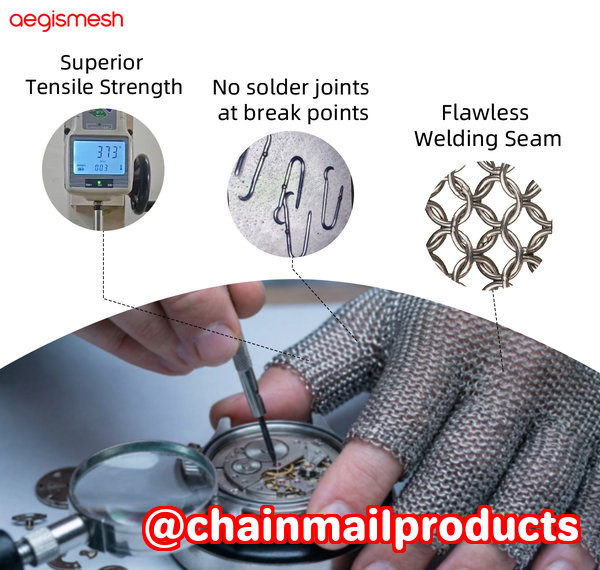
That’s why understanding how to properly evaluate chainmail quality is so important. Whether you’re an industrial worker looking for cut-resistant safety gear, a cosplayer seeking realistic replicas, or a collector of historical pieces, it’s essential to know how to distinguish the truly durable products from the ones that might put your safetyand your moneyat risk.
Common Pain Points When Evaluating Chainmail Quality
As an enthusiast or professional buyer, you’ve likely come across several challenges when it comes to identifying high-quality chainmail. Here are a few common pain points many people experience:
-
Welded vs. Open Rings
One of the most confusing aspects of chainmail quality is distinguishing between welded rings and open rings. While both can look similar at first glance, open rings are less durable and can eventually come apart, compromising the integrity of the chainmail.
-
Uncertainty About Stainless Steel Grades
Not all stainless steel is created equal. Many buyers mistakenly believe that any stainless steel will do the job, but when it comes to chainmail, different grades (such as 304 vs. 316) offer vastly different levels of corrosion resistance, durability, and overall performance.
-
Weak Weaves and Inconsistent Craftsmanship
Weave patterns such as the European 4-in-1 are highly regarded for their durability, but not all weaves are created equal. Some manufacturers cut corners, using weaker patterns or poorly crafted rings that can compromise the protective function of the chainmail.
These pain points can lead to unsafe purchases, lower durability, and the frustrating realization that you’ve spent money on a product that can’t perform as expected. But don’t worry, Aegimesh Chainmail offers a step-by-step guide and inspection tool to help you identify high-quality, safe chainmail products and avoid these common pitfalls.
Aegimesh’s Guide to Evaluating Chainmail
When evaluating chainmail, it’s important to focus on four main areas: material, ring welding, wire thickness, and weave patterns. Here’s how to assess each of these components effectively:
1. Material: Choose the Right Stainless Steel Grade
The first step in evaluating the quality of a chainmail product is understanding the type of stainless steel used. Not all stainless steel is equally durable or resistant to corrosion, so you need to know what you’re working with.
-
304 Stainless Steel is the most common and affordable option, but it lacks the resistance to corrosion that some industrial applications demand.
-
316 Stainless Steel is more resistant to corrosion and is ideal for environments where the chainmail will be exposed to moisture, chemicals, or extreme conditions. For food processing or industrial applications, 316 stainless steel is your best choice.
2. Ring Welding: Welded vs. Open Rings
One of the easiest ways to tell the quality of chainmail is by inspecting the rings. The difference between welded rings and open rings is significant in terms of durability and safety.
-
Welded Rings are permanently fused together, creating a much stronger and more durable structure. A welded ring will not separate under pressure.
-
Open Rings are simply bent into shape and held together by tension. Over time, they can come apart, especially under stress. If you’re using chainmail for protection or heavy-duty applications, welded rings are essential.
To check this, gently try to pull apart a ring in a less obvious section of the chainmail. If it comes apart easily, you’re dealing with open rings, which means the piece isn’t suitable for heavy-duty use.
3. Wire Thickness and Inner Diameter
The thickness of the wire and the inner diameter of each ring are both important factors in determining the strength of the chainmail.
-
Wire Thickness: Thicker wires offer greater strength and durability, making them ideal for industrial or protective use. For cosplay or display purposes, thinner wires might be acceptable, but for protective gear, thicker wires are a must.
-
Ring Diameter: The diameter of the rings influences how tightly they fit together and the overall flexibility of the piece. For industrial uses, a smaller inner diameter can create a more rigid, cut-resistant material, while larger diameters may be more suited for lightweight decorative pieces.
4. Weave Patterns: European 4-in-1 and Other Weaves
The weave pattern is another key indicator of quality. The European 4-in-1 weave is one of the most common and strongest patterns used in chainmail. In this pattern, each ring connects to four others, creating a solid, interlocking structure that can withstand significant force.
-
Check for Consistency: Ensure the rings are tightly interwoven with no gaps or loose links. If you can see significant spaces between rings, the chainmail is likely poorly crafted and may not offer the protection you’re expecting.
Why Proper Inspection is Crucial
Taking the time to properly inspect your chainmail purchase has several key benefits:
-
Avoid Unsafe Products: For industrial use, poorly constructed chainmail can leave you vulnerable to cuts and injuries. Low-quality or decorative chainmail might be ineffective for its intended purpose.
-
Ensure Durability: For applications such as food processing or heavy-duty work environments, chainmail needs to hold up over time. Choosing a product that passes these inspections ensures that you’re not wasting money on something that will fall apart prematurely.
-
Save Money: By identifying low-quality products before you buy, you can avoid wasting money on chainmail that won’t perform as expected.
Practical Tips for Evaluating Chainmail
Here are a few practical tips for inspecting chainmail in person:
-
Perform a Pull Test: Gently pull on the rings to test their strength. If the rings shift, bend, or come apart, you likely have a low-quality product.
-
Check for Corrosion: If you’re buying chainmail made from stainless steel, check for any signs of rust or corrosion. This can be a sign of poor material or poor craftsmanship.
-
Inspect Weave Consistency: Look for tight, consistent weaves. A good weave should be strong and durable, with each ring securely connected to four others.
Conclusion
In my experience, I highly recommend following these steps to ensure any chainmail purchase meets safety and durability standards. Whether you’re using chainmail for industrial protection, food handling, or cosplay, understanding what to look for is key to making an informed purchase. By inspecting the material, welds, wire thickness, and weave pattern, you’ll be able to identify the high-quality products that will serve you well and last for years.
If you’re ready to learn more about identifying high-quality chainmail products, be sure to check out our detailed chainmail inspection guide today!
FAQs
-
How can I tell if a chainmail ring is welded or open?
-
Gently pull apart a ring. If it separates easily, it’s an open ring. Welded rings are fused together and cannot be separated.
-
-
Which stainless steel grade is best for long-lasting chainmail?
-
316 stainless steel offers the best resistance to corrosion and is ideal for industrial or food processing applications.
-
-
How do I inspect the weave pattern for strength?
-
Check for a tightly interwoven structure. A European 4-in-1 weave is a great indicator of strong, durable chainmail.
-
-
What are the signs of low-quality or unsafe chainmail?
-
Look for loose rings, inconsistent weaving, rust, or easily pulled-apart rings. These are signs of poor craftsmanship and unsafe chainmail.
-
-
Can decorative chainmail be used for protective purposes?
-
Not always. Decorative chainmail may look good but often lacks the durability needed for industrial or safety uses.
-
-
How do I choose the right chainmail for industrial vs cosplay use?
-
For industrial use, prioritize welded rings, thicker wire, and smaller ring diameters. For cosplay, you can focus more on the aesthetic and less on durability, though a quality weave is still essential.
-
Tags/Keywords
-
chainmail quality, welded rings, stainless steel chainmail, cut-resistant chainmail, chainmail inspection, European 4-in-1 weave, chainmail durability