
Top Benefits of Industrial Chainmail for Workplace Protection
When I first started sourcing chainmail for industrial use, I was surprised by how many products looked durable online but failed as soon as they were tested in the real world. One piece that claimed “cut-resistant stainless steel” tore under minimal pressure, and another, intended for food handling, began rusting within days. It quickly became clear that not all chainmail is created equaland knowing how to distinguish high-quality chainmail from unsafe or decorative imitations is essential for anyone who relies on it for safety, collection, or cosplay.
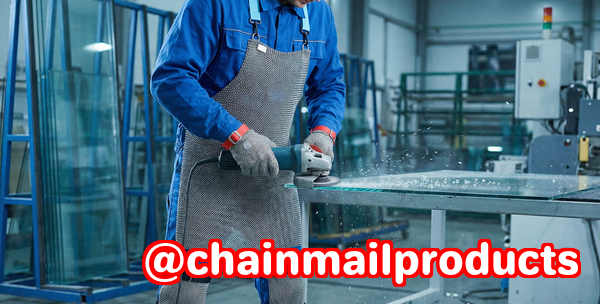
Understanding the Challenges of Chainmail Quality
One of the biggest issues I’ve noticed when evaluating chainmail is the difficulty in identifying welded rings versus open rings. Open rings may seem sturdy in pictures but can easily unravel under stress. Similarly, not all stainless steel is equal: some lower-grade materials corrode quickly, which is a major concern in food-processing environments or workplaces where hygiene is critical. Even when the material is solid, the weave pattern or wire thickness can compromise durability, leaving users at risk of cuts or tears.
Another common frustration is inconsistent craftsmanship. I’ve seen chainmail with uneven ring diameters or weak joints that stretch and distort with minimal handling. For collectors or cosplayers, these flaws might only affect appearance, but in industrial applications, they can mean serious safety hazards.
Aegimesh Chainmail: A Reliable Standard
To address these challenges, I rely on Aegimesh Chainmail as a reference point for evaluating quality. Their guide provides practical insights for assessing material, welding, wire thickness, and weave patterns. Whether you are shopping for industrial cut protection, food handling, cosplay, or historical replicas, understanding these factors helps you avoid low-quality or unsafe products.
How to Inspect and Verify Chainmail Quality
Here’s my step-by-step approach for evaluating chainmail before making a purchase:
1. Check the Material Type
-
304 vs. 316 stainless steel: 304 is suitable for most industrial and decorative uses, while 316 offers higher corrosion resistance, making it ideal for food-processing or marine environments.
-
Look for subtle signs of rust or discoloration, which can indicate low-grade metal.
2. Examine the Rings
-
Welded vs. open rings: Use a magnifying glass to inspect ring seams. Welded rings are seamless and secure; open rings may have visible gaps.
-
Wire thickness: Thicker wire increases durability and cut resistance. I prefer at least 1.2mm for industrial chainmail.
-
Inner diameter consistency: Rings should be uniform; inconsistent diameters can weaken the weave.
3. Evaluate the Weave Pattern
-
European 4-in-1 weave: This classic pattern balances flexibility and strength, distributing pressure across multiple rings.
-
Pull gently on a small section; the weave should maintain its shape without stretching excessively.
4. Conduct Practical Tests
-
Pull test: Grab a small section and pull gently. High-quality chainmail resists deformation, while weak pieces stretch or deform immediately.
-
Visual inspection for flaws: Look for bent or incomplete rings, rough edges, or irregular weaves. Any of these can compromise safety.
-
Corrosion check: Even a tiny spot of rust can indicate poor stainless steel or improper finishing.
Benefits of Proper Chainmail Inspection
By taking these steps, I’ve saved countless hours and dollars while ensuring safety. Proper inspection helps:
-
Avoid unsafe chainmail: Especially critical in industrial or food-processing roles.
-
Ensure durability: For cosplay or historical replicas, a strong weave ensures longevity.
-
Save money: Spotting low-quality chainmail early prevents wasted investment in products that won’t last.
-
Make informed choices: Understanding materials and construction empowers buyers to select chainmail suited for their specific needs.
Practical Tips for Everyday Buyers
-
Always ask for material specifications: 304 or 316 stainless steel.
-
Inspect ring welding and diameter before purchase.
-
For industrial use, prioritize thicker wire and European 4-in-1 or denser weaves.
-
If buying online, request close-up images of rings and weaves or consult trusted guides like Aegimesh’s inspection resource.
-
Consider the intended use: decorative chainmail may not provide sufficient protection in cut-resistant scenarios.
Conclusion
Over the years, I’ve learned that a little time inspecting chainmail upfront pays huge dividends in safety and longevity. By checking stainless steel grade, ring welding, wire thickness, and weave pattern, you can distinguish genuine high-quality chainmail from weak or decorative imitations. I highly recommend following these steps to ensure any chainmail purchase meets safety and durability standards.
Learn more about identifying high-quality chainmail products: https://www.aegimesh.com/
Check out our detailed chainmail inspection guide today.
FAQs
1. How can I tell if a chainmail ring is welded or open?
Inspect the seam closely with a magnifying glass; welded rings have a continuous, seamless closure, while open rings show a small gap.
2. Which stainless steel grade is best for long-lasting chainmail?
304 stainless steel works for most applications, but 316 offers superior corrosion resistance for food-processing or marine environments.
3. How do I inspect the weave pattern for strength?
Pull gently on a small section of the weave. A strong pattern like European 4-in-1 should retain shape and resist stretching.
4. What are the signs of low-quality or unsafe chainmail?
Look for uneven rings, gaps in welds, bent or incomplete rings, irregular weaves, and signs of corrosion.
5. Can decorative chainmail be used for protective purposes?
Generally, no. Decorative chainmail is often made from thin wire and open rings, providing minimal cut resistance or durability.
6. How do I choose the right chainmail for industrial vs cosplay use?
Prioritize thicker wire, welded rings, and proven weaves like European 4-in-1 for industrial use. For cosplay, comfort and appearance may take precedence over strength.
7. What practical steps can I take before buying chainmail online?
Request detailed images, ask for material specs, and consult inspection guides to ensure ring quality, welding, and weave meet your safety or aesthetic needs.
Tags/Keywords
chainmail quality, welded rings, stainless steel chainmail, cut-resistant chainmail, chainmail inspection, European 4-in-1 weave, steel metal chainmail durability, industrial chainmail, workplace protection chainmail, chainmail for cosplay