
Chainmail Arm Guards in Modern PPE Systems
When it comes to personal protective equipment (PPE), few items carry as much historical weight as chainmail. While the image of medieval knights clad in chainmail armor often springs to mind, today’s chainmail serves a more diverse range of purposesfrom industrial cut protection to cosplay costumes and food processing. However, with the growing popularity of chainmail products, it’s become increasingly challenging for buyers to distinguish between high-quality, durable items and poor imitations that may compromise safety.
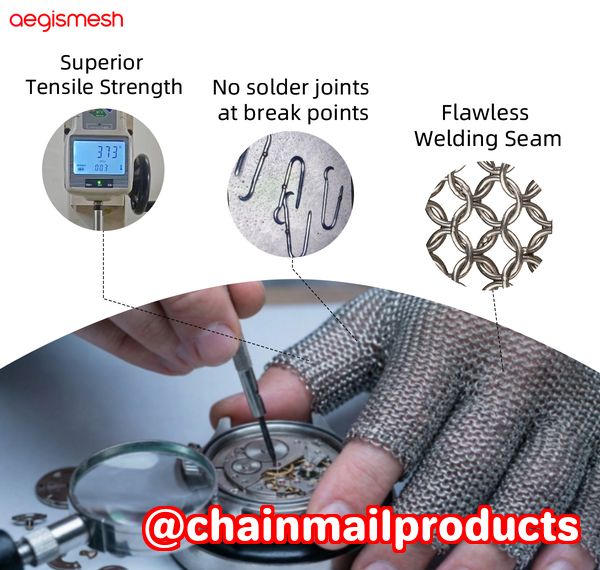
Have you ever found yourself staring at a chainmail arm guard, wondering whether it will actually protect you from sharp objects, or if it will just fall apart after a few uses? Whether you’re purchasing chainmail for industrial safety, cosplay, or even just as a collector’s item, it’s easy to get overwhelmed by the sheer variety of options out there. So how do you ensure that the chainmail you’re buying is truly up to the task? Let’s break it down and take a closer look at how to evaluate chainmail for its quality and suitability.
Common Pitfalls When Evaluating Chainmail Quality
Purchasing chainmail, whether for professional or personal use, requires careful inspection. Unfortunately, a lot of low-quality chainmail is sold to unsuspecting buyers, and identifying these subpar products isn’t always easy. Here are a few common issues I’ve encountered when evaluating chainmail, and how you can avoid them:
1. Welded Rings vs Open Rings
One of the first things to look for when inspecting chainmail is whether the rings are welded or open. This might seem trivial, but it’s a critical factor in the durability and strength of the product.
-
Welded Rings: These are permanently fused together, creating a much stronger and more secure weave. They are ideal for industrial use and high-impact environments.
-
Open Rings: These can easily separate, leading to gaps in the weave, which compromises the strength of the chainmail.
When inspecting chainmail, gently pull on a few rings. If they feel loose or you can easily separate them, it’s a clear sign that the rings are not welded. For any protective chainmail, such as arm guards, you want to make sure that the rings are welded to guarantee maximum strength.
2. Choosing the Right Stainless Steel Grade
Another important factor when evaluating chainmail quality is the type of stainless steel used. The two most common grades you’ll encounter are 304 and 316 stainless steel. While both are durable and corrosion-resistant, they have different properties that make them suitable for different applications.
-
304 Stainless Steel: This is a general-purpose stainless steel and is commonly used for decorative chainmail, historical replicas, and cosplay items. It’s corrosion-resistant, but it doesn’t perform as well in harsh environments.
-
316 Stainless Steel: Known for its superior corrosion resistance, 316 is ideal for food handling, industrial settings, and high-moisture environments. It’s more expensive, but if you’re looking for a product that will last and withstand demanding conditions, it’s worth the investment.
When assessing chainmail, you’ll want to ask the manufacturer or seller about the stainless steel grade used in the rings. For industrial applications like food processing or heavy-duty cut protection, always choose 316 stainless steel for optimal performance.
3. Weak or Inconsistent Weave Patterns
The way the rings are woven together plays a huge role in the strength and effectiveness of chainmail. One of the most popular and strongest weave patterns is the European 4-in-1 weave, which features four rings passing through one central ring. This tight, interwoven design creates a durable barrier that can withstand cutting or slashing.
If you’re buying chainmail, make sure to inspect the weave. A poorly woven piece of chainmail will have inconsistent spacing between the rings and may be prone to tearing. A simple visual check can reveal a lot about the quality of the craftsmanship.
Aegimesh Chainmail: Your Guide to Top-Quality Products
At Aegimesh, we understand the importance of ensuring that your chainmail meets the highest standards for safety and durability. Whether you’re working in an industrial setting, handling food, or creating a costume for cosplay, it’s essential to know how to identify high-quality chainmail. Here are a few practical steps for inspecting your chainmail to ensure that it’s up to the task:
How to Inspect Chainmail: A Step-by-Step Guide
-
Check the Material
Always ask about the stainless steel grade. For industrial use or food handling, 316 stainless steel is your best option. For decorative pieces, 304 stainless steel is generally sufficient.
-
Inspect the Rings
Look closely at the rings. Do they appear welded or open? If they are welded, they should feel solid and immovable. Open rings may give the impression of fragility.
-
Examine the Wire Thickness and Inner Diameter
Thicker wires generally mean stronger chainmail, but the inner diameter of the rings is also important. Too large of a diameter and the weave will lack stability, while too small a diameter can make the chainmail too rigid. Aim for a balance that supports both flexibility and strength.
-
Test the Weave Pattern
The European 4-in-1 weave is a standard for strength. Gently pull on the weave to check for any loose rings or inconsistent spacing. A high-quality product will maintain its shape even under slight pressure.
-
Perform a Pull Test
Pull on individual rings to assess their strength. A well-made chainmail piece will not show any signs of slippage or ring separation. If you notice any flexibility or looseness, the chainmail may not be durable enough for industrial use.
-
Look for Signs of Corrosion
Corrosion is an obvious sign of low-quality or poorly-maintained chainmail. Check for any rust, discoloration, or visible pitting on the rings. Stainless steel chainmail should be resistant to rust, but it’s still important to inspect for early signs of wear.
-
Understand the Intended Use
Not all chainmail is created equal. Make sure you are selecting the right type of chainmail for your needs. Whether it’s for food handling, industrial use, or decorative purposes, each type of chainmail has specific requirements for safety and durability.
Why Proper Inspection Matters
Taking the time to properly inspect chainmail before purchasing is essential, especially when it comes to safety. Here’s why:
-
Avoid Unsafe Purchases: Low-quality chainmail can fail under pressure, leaving you vulnerable to cuts, abrasions, or worse.
-
Ensure Durability: Quality chainmail will stand the test of time, whether you’re using it in an industrial setting or as part of a costume.
-
Save Money: By identifying low-quality chainmail, you can avoid spending money on products that won’t meet your needs or last as long.
As a buyer, the more you know about chainmail, the better equipped you’ll be to make an informed decision. I highly recommend following these inspection steps to ensure any chainmail purchase meets safety and durability standards.
Conclusion: Invest in Quality Chainmail
Whether you’re shopping for industrial protection, cosplay, or historical reenactment, high-quality chainmail is a must-have. By following the inspection methods outlined above, you’ll be able to identify products that offer the durability and safety you need. When it comes to protecting yourself or ensuring the longevity of your gear, don’t settle for anything less than the best.
Ready to make an informed purchase? Check out Aegimesh’s selection of high-quality chainmail and start evaluating your options today: Learn more about identifying high-quality chainmail products.
FAQs
1. How can I tell if a chainmail ring is welded or open?
Inspect the rings closely. Welded rings will feel solid and secure. Open rings can be easily pulled apart or will show gaps where they meet.
2. Which stainless steel grade is best for long-lasting chainmail?
For industrial use and food processing, 316 stainless steel is ideal due to its superior corrosion resistance. 304 stainless steel works well for decorative or cosplay uses.
3. How do I inspect the weave pattern for strength?
Look for tight, consistent patterns like the European 4-in-1 weave. Pull gently on the rings to ensure they’re secure, with no loose or misaligned connections.
4. What are the signs of low-quality or unsafe chainmail?
Signs include rust, loose rings, weak or inconsistent weaves, and improper welds. Poor craftsmanship can lead to breakage under pressure.
5. Can decorative chainmail be used for protective purposes?
While decorative chainmail can look appealing, it may not offer the level of protection you need for industrial applications. Always choose chainmail designed for your specific use.
6. How do I choose the right chainmail for industrial vs cosplay use?
For industrial use, opt for 316 stainless steel with a welded ring design and a strong, consistent weave. For cosplay, 304 stainless steel with decorative weaves may suffice.
7. How can I prevent my chainmail from corroding?
Regularly inspect for signs of corrosion, and keep the chainmail clean and dry. Store it in a cool, dry place to prevent rusting.
Tags:
chainmail quality, welded rings, stainless steel chainmail, cut-resistant chainmail, chainmail inspection, European 4-in-1 weave, chainmail durability