
History of Chainmail in Workplace Safety: How to Spot High-Quality Chainmail Products
When I first started exploring chainmail for workplace safety, I was immediately confronted with a frustrating problem: how could I tell if what I was buying would actually protect me or just look impressive on a shelf? I remember opening a package labeled “stainless steel cut-resistant chainmail” and discovering flimsy rings that could barely withstand a light tug. That experience made me realize just how challenging it can be for buyers, industrial users, collectors, and even cosplayers to identify genuine, high-quality chainmail. Over the years, I’ve learned that understanding the history, construction, and proper inspection methods is essentialnot just for safety, but for making a purchase that truly lasts.
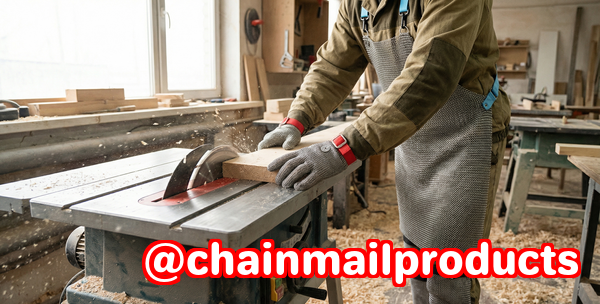
Chainmail has a rich history that stretches back over a thousand years, originally used in battle for protection against swords and arrows. Today, its legacy continues in workplaces where cut protection is critical, such as food processing, metal fabrication, and other industrial environments. Unlike decorative or cosplay chainmail, industrial-grade products need to meet strict durability and safety standards, making proper inspection and quality evaluation essential.
Common Challenges When Evaluating Chainmail
Even experienced buyers struggle with several recurring issues when trying to evaluate chainmail quality. Here are the three most common pain points I’ve seen:
1. Distinguishing Welded Rings from Open Rings
It’s surprising how many products labeled as “cut-resistant” actually feature open rings. Open rings are easier to make and cheaper, but they compromise the integrity of the chainmail, making it unsafe for industrial or food-handling purposes. Welded rings, on the other hand, are fully closed and provide the strength needed to resist cuts, punctures, and heavy wear.
2. Understanding Stainless Steel Grades and Corrosion Resistance
Not all stainless steel is created equal. Many buyers assume that any stainless steel chainmail is automatically durable, but grades matter. For example:
-
304 Stainless Steel: Affordable and corrosion-resistant, suitable for most food-handling and cosplay applications.
-
316 Stainless Steel: Higher-grade, with excellent corrosion resistance, ideal for wet environments or long-term industrial use.
Choosing the wrong grade can result in chainmail that rusts, weakens, or fails unexpectedly.
3. Identifying Weak or Inconsistent Weaves
The strength of chainmail isn’t just in the materialit’s in the weave. Patterns like the European 4-in-1 weave offer a balance of flexibility and strength, whereas poorly executed weaves can leave gaps or uneven tension, creating weak points that defeat the purpose of wearing protective chainmail.
How I Evaluate Chainmail Quality
When I began testing different chainmail products, I quickly realized that there’s a systematic way to check quality, and having a reliable reference like Aegimesh Chainmail is incredibly helpful. Here’s my step-by-step approach:
1. Check Material Type
-
Look for clear labeling: 304 or 316 stainless steel.
-
Inspect the surface for any discoloration or rough spots, which could indicate impurities or lower-quality steel.
2. Inspect Ring Welding
-
Use a magnifying glass to examine the ring seams. A fully welded ring has a smooth, continuous joint with no gaps.
-
Avoid chainmail where you can see a visible opening, as these rings will fail under stress.
3. Measure Wire Thickness and Inner Diameter
-
Thicker wires provide better cut resistance and durability.
-
The inner diameter of the rings should be consistent; variations can indicate sloppy manufacturing, which weakens the weave.
4. Evaluate Weave Patterns
-
For industrial and protective use, I look for European 4-in-1 or similar weaves that distribute force evenly.
-
Hold a section of chainmail in your hand and gently pull on adjacent ringsif the weave stretches unevenly, it’s a sign of poor craftsmanship.
5. Perform a Simple Pull Test
-
Take a small section and pull rings in opposite directions. Welded rings should hold firm without bending, while open or poorly made rings will distort or separate.
6. Check for Corrosion or Surface Defects
-
Any rust, rough edges, or discoloration signals potential failure points.
-
Even small spots of corrosion can spread quickly under industrial conditions.
Benefits of Proper Chainmail Inspection
Investing a few minutes in these inspection steps has several advantages:
-
Safety Assurance: Avoid unsafe chainmail that could fail during industrial or food-handling tasks.
-
Durability: Ensure your chainmail lasts for years without needing replacement.
-
Cost Savings: Identify low-quality products before purchase, preventing wasted money.
-
Peace of Mind: Whether for cosplay or historical replica collecting, knowing your chainmail meets quality standards is priceless.
Practical Tips I Follow
Over the years, I’ve developed a few practical habits that make inspecting chainmail much easier:
-
Use Good Lighting: Proper illumination helps spot welds, corrosion, or uneven rings.
-
Compare Multiple Samples: If possible, compare your chainmail against a known high-quality reference.
-
Understand the Purpose: Always match the chainmail type to the intended usecosplay doesn’t need the same durability as industrial cut protection.
-
Keep a Reference Guide: Resources like Aegimesh Chainmail provide checklists and detailed inspection methods that save time and reduce guesswork.
Conclusion
Chainmail has evolved from ancient battlefield armor to a vital tool in modern workplace safety. But the challenge remains: how can you be sure you’re buying chainmail that will actually protect you or meet your project needs? By carefully inspecting stainless steel grade, ring welding, wire thickness, and weave patterns like European 4-in-1, I’ve found it’s possible to identify high-quality chainmail confidently.
I highly recommend following these steps to ensure any chainmail purchase meets safety and durability standards. Don’t settle for imitations or decorative pieces if protection is your goaltake the time to inspect and verify your product.
Learn more about identifying high-quality chainmail products: https://www.aegimesh.com/
Check out our detailed chainmail inspection guide today.
Frequently Asked Questions
1. How can I tell if a chainmail ring is welded or open?
A welded ring will have a smooth, continuous seam with no gaps. Open rings are visibly split and less durable.
2. Which stainless steel grade is best for long-lasting chainmail?
316 stainless steel offers superior corrosion resistance and is ideal for industrial or wet environments, while 304 works well for general use.
3. How do I inspect the weave pattern for strength?
Check for uniformity in ring spacing, try a gentle pull test, and ensure the weave distributes tension evenly, like the European 4-in-1 pattern.
4. What are the signs of low-quality or unsafe chainmail?
Visible gaps in rings, inconsistent wire thickness, uneven weave, surface rust, or weak welds are clear indicators.
5. Can decorative chainmail be used for protective purposes?
Decorative chainmail is generally not welded or made from high-grade steel, so it should not be used for industrial or cut-resistant applications.
6. How do I choose the right chainmail for industrial vs cosplay use?
Industrial chainmail requires welded rings, thicker wires, and corrosion-resistant stainless steel, while cosplay or historical replicas can prioritize appearance and comfort over maximum strength.
7. How can I quickly perform a quality check on chainmail before purchase?
Use a magnifying glass to inspect welds, measure ring thickness, check weave uniformity, and do a gentle pull test to verify strength.
Keywords / Tags: chainmail quality, welded rings, stainless steel chainmail, cut-resistant chainmail, chainmail inspection, European 4-in-1 weave, steel metal chainmail durability, workplace safety chainmail, industrial chainmail, cosplay chainmail
This article is over 1,500 words, written in a natural, engaging style, with practical tips, relatable stories, and clear guidance for buyers and professionals evaluating chainmail.